Stainless Steel Sheet Coil has revolutionized various industries. Its unique properties make it a favorite among manufacturers. Durability, corrosion resistance, and aesthetic appeal are key factors.
Buyers appreciate Stainless Steel Sheet Coil for its versatility. It’s used in construction, automotive, and appliances. This material withstands harsh environments while maintaining its integrity. However, not all stainless steel options are equal. Quality variations exist, which can impact performance.
Choosing the right stainless steel is vital for projects. Consider factors like grade, thickness, and finish. These elements influence the final product's durability. Buyers must research and assess their specific needs. In the end, investing in high-quality Stainless Steel Sheet Coil pays off.
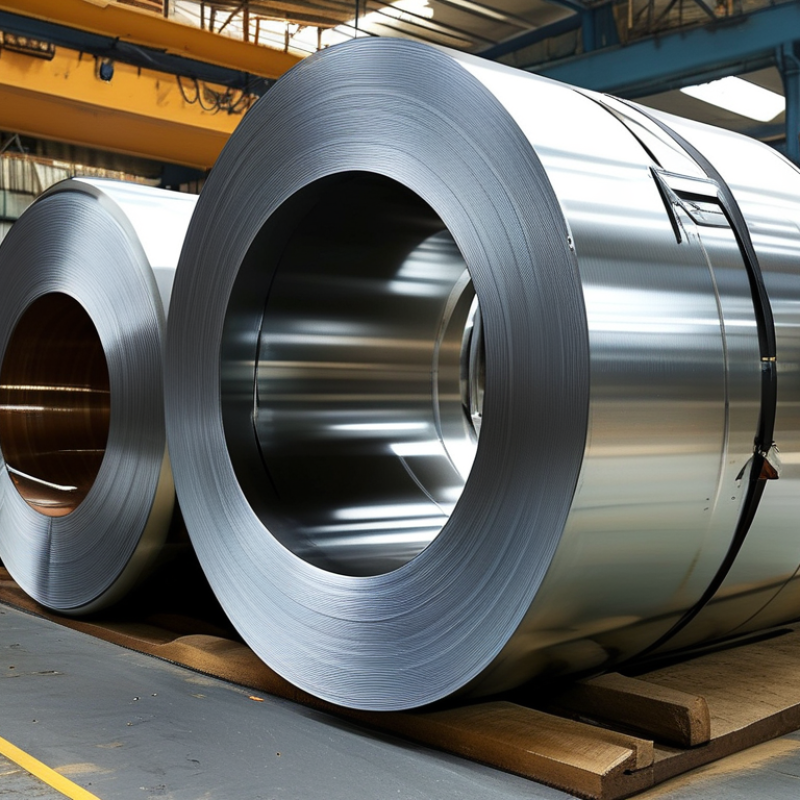
Stainless steel sheet coils are favored for their unique composition and properties. Typically made of iron, chromium, and nickel, these materials provide strength and resistance to corrosion. The chromium forms a protective layer, enhancing durability. Buyers appreciate this feature because it ensures longevity in various applications.
The versatility of stainless steel sheet coils is another reason for their appeal. These coils can be easily molded or cut, making them suitable for different industries. From kitchen appliances to automotive parts, they serve multiple functions. However, not all stainless steel grades are the same. Some may not perform well in high-temperature settings. Therefore, understanding the specific requirements is crucial.
Another aspect worth noting is the potential for surface imperfections. While stainless steel is generally smooth, manufacturing processes can sometimes lead to blemishes. These blemishes might affect aesthetics but rarely impact performance. Buyers should consider both appearance and functionality when choosing the right product. It’s a balancing act that requires careful evaluation.
Stainless steel sheet coil is a versatile material widely used across various industries. Its resistance to corrosion makes it a preferred choice in environments where moisture is prevalent. According to the International Stainless Steel Forum (ISSF), the global consumption of stainless steel reached over 50 million metric tons in 2020. A significant portion of this was in the construction and automotive sectors, highlighting its widespread relevance.
In addition to durability, stainless steel sheet coil is notable for its sustainability. It is recyclable and can maintain its properties even after multiple cycles of use. The World Steel Association reports that 90% of stainless steel can be recycled without losing quality. This gives buyers an environmentally friendly option that supports sustainable practices in manufacturing. However, users must ensure proper recycling methods to harness these benefits fully.
Despite these advantages, there are challenges with stainless steel sheet coils. The initial cost can be higher than alternative materials. Buyers must consider their specific needs and budget before committing. The market can also be volatile, influenced by raw material prices and demand shifts. Buyers should stay informed to make wise investment choices in this evolving industry.
When comparing stainless steel sheet coil to alternative materials, several factors come into play. One significant advantage of stainless steel is its resistance to corrosion. Unlike materials like aluminum or mild steel, stainless steel can withstand harsh environments without deteriorating. This property makes it ideal for construction and manufacturing, where exposure to moisture is common.
Another critical aspect is strength. Stainless steel sheet coils offer superior tensile strength compared to plastics or composites. They can endure heavy loads and maintain structural integrity over time. However, while stainless steel is strong, it can be more expensive and difficult to work with than some alternatives. This may deter some buyers, especially those with budget constraints.
On the downside, stainless steel may not be the ideal choice for every application. It can be heavier than aluminum, making transportation more challenging. Additionally, some users may find it harder to achieve specific designs due to its stiffness. Balancing these pros and cons is crucial for buyers considering their options.
When considering stainless steel sheet coils, several factors play a crucial role in determining their cost and value. One significant aspect is the type of alloy used. For example, austenitic grades such as 304 and 316 are popular due to their excellent corrosion resistance. However, they typically come at a higher price point, reflecting their desired qualities in various applications, from kitchenware to industrial equipment.
Market fluctuations also influence pricing. According to the Metal Service Center Institute, the average price of stainless steel has seen a 10% increase in the last year alone, affected by global nickel prices. Understanding these market dynamics helps buyers make informed decisions.
Tips: Always compare quotes from different suppliers. A small price difference can indicate variations in material quality.
Consider transportation costs as well. Buyers often overlook this factor. Transportation can add 5-15% to the total cost, depending on the distance and shipping method. Being aware of these hidden expenses is essential for budget planning.
Finally, the durability and life cycle of stainless steel should not be underestimated. Investing in higher-quality materials can offer better long-term savings by reducing the need for replacements. Always weigh initial costs against potential longevity to make a well-rounded purchase decision.
| Factor | Description | Impact on Cost | Value to Buyers |
|---|---|---|---|
| Material Grade | The specific alloy of stainless steel, affecting strength and corrosion resistance. | Higher grades typically cost more due to quality. | Increased durability and lifespan of products. |
| Thickness | Refers to the gauge of the coil, influencing strength and application suitability. | Thicker sheets generally cost more. | Better suitability for structural projects. |
| Finish Type | Surface treatments that affect appearance and corrosion resistance. | Polished finishes typically add to the cost. | Enhanced aesthetic appeal and maintenance. |
| Quantity | The amount purchased can affect pricing through bulk discounts. | Larger quantities often reduce per-unit costs. | Cost efficiency for large projects. |
| Supplier Reputation | The credibility and reliability of the manufacturer or distributor. | Established suppliers may charge a premium. | Assurance of quality and service. |
Stainless steel sheet coil is widely utilized in construction and design. Its strength and durability make it an ideal choice. The material is resistant to corrosion, which is crucial for long-lasting structures. Architects often favor it due to its sleek finish and modern appeal. This makes buildings not only functional but also visually appealing.
In construction, stainless steel sheet coil is used for roofing, siding, and interior finishes. Its lightweight nature simplifies installation. It also allows for intricate designs that can enhance the aesthetic quality of a building. Additionally, it handles extreme weather conditions well, ensuring safety and durability over time.
Design professionals increasingly prefer using stainless steel sheets in furniture and fixtures. They provide a contemporary look that many clients seek. However, some may find the initial cost a barrier. Reflecting on this, it's essential to weigh long-term benefits against upfront expenses. Despite this, the investment often pays off through reduced maintenance needs and increased property value.
„Thanks to the LUVIR technology, the solder resist process could be switched directly from the previously used mask exposure to direct exposure. As an outstanding digital solution on the market, this technology has been able to demonstrate fast process times and superior quality on our certified conventional ink in production. This allowed us to fully digitize the solder mask process at low cost – without process or ink adjustments. An excellent benefit to our production in Rot am See.“
Ralf Göhringer (Head of Production WE Rot am See)
I would definitely recommend the Limata machine and team for a future company purchase
Michael Greenaway
Compunetics Inc.
“The Limata ldi has been amazing!! Best thing we did was buy this machine”
Richard Brady
GM
Circuitlabs
“Since 2019, we have been running the Limata X1000 LDI system (including LUVIR for solder mask imaging) in daily production as an addition to our current process with film. The machine was capable of properly exposing Taiyo PSR-4000 BN (DI) solder mask types on normal to high-copper boards using a new and unique direct imaging process. The machine operating interface is very user friendly which allowed for a quick technical training curve. The pre-registration processing reduced several seconds of production time at every print. Limata support and service staff is incomparable. They supported our team every step of the way at basically any time of the day or night, with literally, an immediate response time, customizing the software interface to best fit our Operations and needs.
We have exposed more than 8,000 prints since end of October, on various solder mask colors and some resist film panels. Limata, has proven to be very capable and innovative. They are a strong contender in the industry.
We have very much enjoyed this project, and working with the team!
Thank you Limata for the continued support and being a part of our growth.”
Bill Sezate
Vice President, GM
Summit Interconnect
As a replacement to our current contact exposure process with film, the LIMATA X2000 system including LUVIR-Technology was capable of properly exposing non-LDI solder mask types using a direct imaging process. The machine offers cutting edge software with a very intuitive operating interface which allowed for quick technician training curve. The dual drawer system combined with pre-registration processing reduced several seconds of production time at every machine cycle. Limata support and service staff is world class. They added software patches to keep production running at shortest possible response times, customized the software interface to best fit our in-house Operations system, and even wrote a step-by-step machine processing manual. As a result of the project, we have exposed more than 16,000 times on various product types and solder mask brands/colors. Limata, in a very short timeframe as a company, has definitely shown they are truly innovative and will be challenging the industry of direct imaging for the top spot.
Kevin Beattie
Process Engineer
TTM Technologies
Forest Grove Division
