Titanium welding is a specialized skill that requires both knowledge and precision. Mastering this craft is crucial for producing strong, reliable welds in various applications. The unique properties of titanium demand a careful approach, which can make the process challenging even for seasoned welders.
When working with titanium, understanding the material's characteristics is key. The metal's reactivity requires specific techniques to prevent contamination. This includes maintaining a clean work environment and using appropriate filler materials. Welders must also be aware of the importance of controlling heat input, as excessive heat can lead to distortion and compromised strength.
Despite the challenges, effective titanium welding techniques can be learned and refined over time. It's essential to reflect on past experiences and continuously improve. By following these tips, welders can enhance their skills and produce high-quality titanium welds. Expertise comes from practice and dedication.
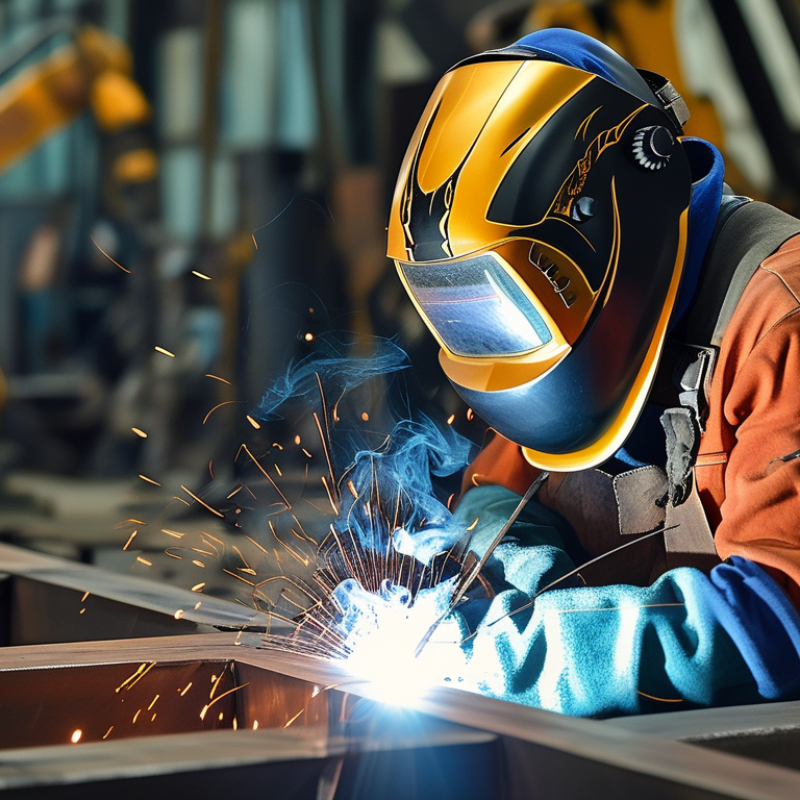
Understanding titanium welding begins with recognizing its unique properties. Titanium is lightweight yet incredibly strong. It also has a high resistance to corrosion. These characteristics make it desirable for various applications. However, welding titanium presents distinct challenges. The metal is highly reactive at elevated temperatures, leading to contamination. This can compromise the integrity of the weld.
To address these challenges, it's essential to maintain a controlled environment. Using argon shielding gas is a common practice. It helps to protect the weld area from atmospheric gases. Another critical aspect is to manage the heat input carefully. Excessive heat can cause distortion or weaken the structure. Many welders struggle with this balance, resulting in trial and error.
Proper preparation is crucial before starting any welding project. Cleaning the surfaces to remove contaminants is vital but often overlooked. Even minor residues can lead to significant issues later. It's also worth noting that not all welding techniques suit titanium. Some methods may need adjustments tailored to the specific alloy and application. Keeping up with best practices in titanium welding can significantly improve outcomes.
Titanium welding requires specific equipment to ensure quality and precision. A high-frequency TIG welder is essential for creating stable arcs. The welder must have the ability to produce low heat input. This technique prevents warping and preserves the titanium's integrity. It’s crucial to use a reliable shielding gas. Argon is the most common choice, but some processes benefit from a mix with helium. The quality of the gas impacts the weld's overall strength.
Protective gear is equally important in the welding process. An appropriate welding helmet with a shade level suited for titanium is vital. This helps protect the eyes from intense light and UV radiation. Gloves made from heat-resistant materials are a must. They provide a shield against sparks and heat. Moreover, a clean work environment reduces contamination risks. Improper handling or dirty surfaces can compromise weld quality.
Don’t overlook the importance of proper joint preparation. Clean all surfaces meticulously before welding. This step eliminates oxides and contaminants that may affect the weld. However, even with great preparation, mistakes can happen. A lack of attention or wrong settings can lead to defects. Always review settings and conditions before starting. Continuous learning and reflection are key to mastering titanium welding.
Pre-welding preparations play a crucial role in successful titanium welding. One key aspect is cleaning the surfaces to be welded. Even minor contaminants like oil or dirt can lead to defects. A thorough cleaning with solvents or industrial degreasers is essential. Make sure to inspect the surfaces afterward for any remaining residues. Sometimes, a second cleaning is necessary to achieve optimal results.
Joint design also significantly impacts the welding process. Proper joint geometry allows for better penetration and helps prevent issues like warping. Consider using designs that minimize stress concentrations. As you work on joint design, remember that not all joints are created equal. Some may require additional support or unique techniques to ensure sound welds. Evaluating various options can help you find the most effective approach.
Addressing these preparatory steps can often be a trial-and-error process. Mistakes or oversight can lead to potential problems down the line. Being open to reassessing your methods and adapting accordingly will improve your outcomes. This continual learning mindset fosters a more refined welding technique over time. Keep in mind that perfection is a journey, not a destination.
| Tip Number | Preparation/Consideration | Details/Recommendations |
|---|---|---|
| 1 | Clean the Titanium Surface | Remove contaminants using solvent or chemical cleaners. |
| 2 | Joint Design | Optimize the joint design for better access and fit-up. |
| 3 | Deburring Edges | Deburr edges to eliminate stress concentration points. |
| 4 | Fixture Setup | Use appropriate fixtures to ensure stability during welding. |
| 5 | Drying the Material | Preheat the titanium if necessary to remove moisture. |
| 6 | Shielding Gas Selection | Use high-purity shielding gases for an inert atmosphere. |
| 7 | Electrode Preparation | Grind and prepare the electrode to maintain performance. |
| 8 | Testing Fit-up | Test fit-up before welding to minimize gaps and misalignment. |
| 9 | Tack Welding | Use tack welds to hold parts in place during the final pass. |
| 10 | Post-Weld Cleaning | Perform post-weld cleaning to remove oxides and impurities. |
When it comes to titanium welding, controlling heat input is crucial. Titanium is sensitive to heat, which can lead to warping or distortion. Studies indicate that an excessive heat input can increase the risk of structural failure in titanium components. Maintaining an optimal heat input range of 1 to 3 kJ/cm is recommended for most welding applications.
One effective method for controlling heat is to use a pulsed arc welding technique. This approach allows for better thermal management and minimizes overheating. A report from the Welding Institute highlights that pulsed welding can reduce the heat-affected zone by up to 40%. This means less risk of adverse effects on the material properties of titanium.
Another strategy is to adjust the travel speed. Increasing travel speed decreases heat input. However, this may require more skill to ensure proper penetration and weld quality. Authors of industry publications suggest experimenting with different travel speeds. Monitor welded joints closely for imperfections. Remember, the goal is to find a balance. Over-compensating can lead to insufficient fusion, while under-compensating might cause defects.
This bar chart illustrates the importance of various techniques for controlling heat input in titanium welding. Each technique is rated on a scale from 1 to 10 based on its effectiveness in ensuring good weld quality and minimizing defects.
Post-weld treatment is crucial to ensure the integrity of titanium welds. This process helps to reduce residual stresses, which can lead to cracking or distortion. A common strategy is to perform post-weld heat treatment. This involves heating the welded structure to a specific temperature and then cooling it gradually. This process alleviates stresses and enhances mechanical properties.
It’s important to monitor the heating and cooling rates carefully. Too rapid a change can induce new stresses. Maintaining a consistent temperature throughout the heat treatment is also vital. Another effective method is to implement a controlled atmosphere during the process. This minimizes contamination that could weaken the weld integrity.
For successful titanium welding, consider using the right filler material. Incorrect filler can lead to incompatibility issues, affecting strength. Additionally, cleanliness during the welding process cannot be overlooked. Contaminants on the surface can degrade the quality of the weld. Start with thorough cleaning of the base metals. Lastly, remember that practice and experience are key. Learn from each project to improve your skills and outcomes for future welds.
„Thanks to the LUVIR technology, the solder resist process could be switched directly from the previously used mask exposure to direct exposure. As an outstanding digital solution on the market, this technology has been able to demonstrate fast process times and superior quality on our certified conventional ink in production. This allowed us to fully digitize the solder mask process at low cost – without process or ink adjustments. An excellent benefit to our production in Rot am See.“
Ralf Göhringer (Head of Production WE Rot am See)
I would definitely recommend the Limata machine and team for a future company purchase
Michael Greenaway
Compunetics Inc.
“The Limata ldi has been amazing!! Best thing we did was buy this machine”
Richard Brady
GM
Circuitlabs
“Since 2019, we have been running the Limata X1000 LDI system (including LUVIR for solder mask imaging) in daily production as an addition to our current process with film. The machine was capable of properly exposing Taiyo PSR-4000 BN (DI) solder mask types on normal to high-copper boards using a new and unique direct imaging process. The machine operating interface is very user friendly which allowed for a quick technical training curve. The pre-registration processing reduced several seconds of production time at every print. Limata support and service staff is incomparable. They supported our team every step of the way at basically any time of the day or night, with literally, an immediate response time, customizing the software interface to best fit our Operations and needs.
We have exposed more than 8,000 prints since end of October, on various solder mask colors and some resist film panels. Limata, has proven to be very capable and innovative. They are a strong contender in the industry.
We have very much enjoyed this project, and working with the team!
Thank you Limata for the continued support and being a part of our growth.”
Bill Sezate
Vice President, GM
Summit Interconnect
As a replacement to our current contact exposure process with film, the LIMATA X2000 system including LUVIR-Technology was capable of properly exposing non-LDI solder mask types using a direct imaging process. The machine offers cutting edge software with a very intuitive operating interface which allowed for quick technician training curve. The dual drawer system combined with pre-registration processing reduced several seconds of production time at every machine cycle. Limata support and service staff is world class. They added software patches to keep production running at shortest possible response times, customized the software interface to best fit our in-house Operations system, and even wrote a step-by-step machine processing manual. As a result of the project, we have exposed more than 16,000 times on various product types and solder mask brands/colors. Limata, in a very short timeframe as a company, has definitely shown they are truly innovative and will be challenging the industry of direct imaging for the top spot.
Kevin Beattie
Process Engineer
TTM Technologies
Forest Grove Division
