terminal blocks are essential components in electrical systems. They provide a safe and efficient way to connect wires and manage electrical connections. John Smith, an industry expert with over 20 years of experience, once stated, "The reliability of electrical connections often hinges on the choice of terminal block." His words highlight the importance of understanding how terminal blocks function.
These devices facilitate the organization of multiple connections in a compact space. They come in various types, including barrier, fusible, and feed-through terminal blocks. Each type serves specific needs in electrical systems. A proper selection can minimize risks and enhance performance. Understanding their operation is vital for engineers and technicians alike.
However, not all terminal blocks are created equal. Choosing the wrong type can lead to failures or safety hazards. As technology evolves, so do the options available. Professionals must stay informed about advancements in terminal block design and application. This vigilance ensures both reliability and safety in electrical systems.
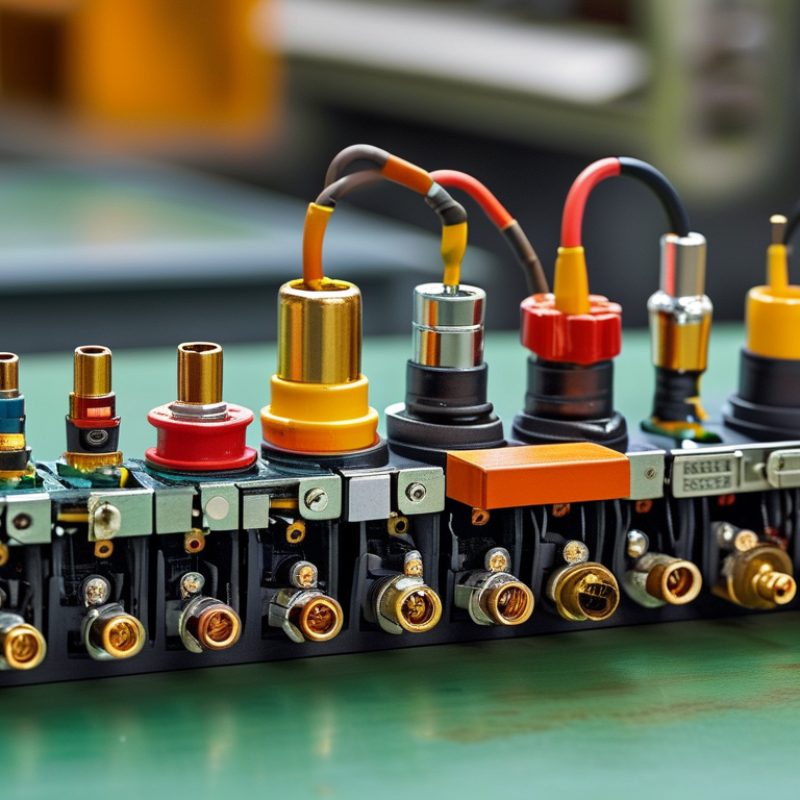
A terminal block is a crucial component in electrical systems. It provides a practical and organized way to connect wires together. These blocks allow for secure and reliable connections, minimizing the risk of loose wires that can lead to shorts or failures.
The purpose of a terminal block is simple yet vital. It terminates electrical circuits and facilitates easy maintenance. Users can connect or disconnect wires without disturbing the entire system. This makes troubleshooting easier. Additionally, they often come with insulation, protecting against accidental contact.
Despite their functional benefits, some may overlook the importance of selecting the right type. Different configurations suit various applications. Not paying attention to voltage ratings can lead to safety hazards. Review the specifications carefully to ensure compatibility with the system. Trying to save costs may result in poor connections, which could be disastrous.
Terminal blocks are essential components in electrical systems, serving as connection points for wires. They come in various designs, each tailored for specific functionalities. The three primary types are barrier terminal blocks, DIN rail terminal blocks, and PCB terminal blocks.
Barrier terminal blocks offer secure wire connections. They often feature multiple terminals for organizing connections. According to a recent industry report, these blocks are gaining popularity in industrial automation. Their robust design minimizes the risk of short circuits. Many engineers appreciate their versatility and ease of installation.
DIN rail terminal blocks are common in control cabinets. They attach directly to standard DIN rails, making them convenient for modular setups. They allow for quick modifications to electrical circuits. However, some users find their mounting system less intuitive. PCB terminal blocks are smaller and often used in electronics. They provide space-saving solutions for compact devices. The ongoing development of these types aims to enhance reliability and facilitate better wire management.
Terminal blocks are essential components in electrical systems, acting as a bridge to connect and secure wires. Understanding their key parts can enhance system reliability and safety. A typical terminal block consists of several crucial elements, including the housing, screw terminals, and conductive strips. Each part plays a distinct role.
The housing offers protection against environmental conditions. It keeps the internal components safe from dust and moisture. Screw terminals provide a secure connection for wires, ensuring they remain firmly in place. Reports indicate that improper connections account for nearly 30% of electrical failures in industrial settings. This highlights the importance of quality terminal block components. Conductive strips, often made of copper or aluminum, facilitate efficient electrical flow. The choice of materials affects conductivity, influencing overall system performance.
Additionally, some terminal blocks feature modular designs. This design allows for easy customization and expansion. However, the modular approach can lead to potential flaws. For instance, if not properly aligned, connections may loosen, leading to operational issues. The complexity of designing effective terminal blocks sometimes raises questions about reliability. A careful assessment of each component's function is crucial for optimizing performance in electrical systems.
Terminal blocks are essential components in electrical systems. They allow for the safe connection of wires and facilitate the distribution of electricity. Understanding the basic operating principle of terminal blocks helps in grasping their importance in various applications.
At the heart of a terminal block's function is its ability to connect multiple wires securely. Each terminal consists of a clamp that grips the stripped wire, ensuring a stable electrical connection. They come in various configurations, accommodating different wire sizes and types. When wires are inserted and tightened, they create a solid connection, reducing the risk of short circuits and electrical failures.
One important aspect to consider is the construction of terminal blocks. Materials like plastic and metal are commonly used, each with its benefits. However, environmental factors, such as temperature and humidity, can impact their performance. Regular inspection and maintenance are crucial to ensure reliability. While the design seems straightforward, improper installation can lead to serious issues. Awareness of these details is essential for anyone working with electrical systems.
| Feature | Description | Application |
|---|---|---|
| Function | Connects electrical wires securely | Electrical panels, instrumentation |
| Types | Screw, spring, plug-in | Automation systems, control equipment |
| Materials | Plastic, metal, phenolic resin | Indoor and outdoor electrical connections |
| Current Rating | From a few amps to several hundred amps | High power applications, machinery |
| Voltage Rating | Up to 1,000 volts | Industrial applications, renewable energy systems |
Terminal blocks are vital components in electrical systems. They facilitate safe and organized connections between wires and devices. Their applications span various industries such as manufacturing, transportation, and telecommunications.
In the manufacturing sector, terminal blocks support automation systems. They often link sensors, controllers, and power supplies. According to industry reports, the global terminal block market is expected to grow by 5% annually through 2025. This increase reflects the rising demand for efficient electrical connections.
Telecommunications rely heavily on terminal blocks for network cabling. They ensure reliable connections in data centers. Likewise, the transportation industry uses terminal blocks in control panels. These applications highlight the importance of selecting robust and reliable terminal blocks.
Tips: When choosing terminal blocks, consider factors like current rating and environmental factors. Ensure they meet your specific project needs. Regular inspections can prevent connection failures.
„Thanks to the LUVIR technology, the solder resist process could be switched directly from the previously used mask exposure to direct exposure. As an outstanding digital solution on the market, this technology has been able to demonstrate fast process times and superior quality on our certified conventional ink in production. This allowed us to fully digitize the solder mask process at low cost – without process or ink adjustments. An excellent benefit to our production in Rot am See.“
Ralf Göhringer (Head of Production WE Rot am See)
I would definitely recommend the Limata machine and team for a future company purchase
Michael Greenaway
Compunetics Inc.
“The Limata ldi has been amazing!! Best thing we did was buy this machine”
Richard Brady
GM
Circuitlabs
“Since 2019, we have been running the Limata X1000 LDI system (including LUVIR for solder mask imaging) in daily production as an addition to our current process with film. The machine was capable of properly exposing Taiyo PSR-4000 BN (DI) solder mask types on normal to high-copper boards using a new and unique direct imaging process. The machine operating interface is very user friendly which allowed for a quick technical training curve. The pre-registration processing reduced several seconds of production time at every print. Limata support and service staff is incomparable. They supported our team every step of the way at basically any time of the day or night, with literally, an immediate response time, customizing the software interface to best fit our Operations and needs.
We have exposed more than 8,000 prints since end of October, on various solder mask colors and some resist film panels. Limata, has proven to be very capable and innovative. They are a strong contender in the industry.
We have very much enjoyed this project, and working with the team!
Thank you Limata for the continued support and being a part of our growth.”
Bill Sezate
Vice President, GM
Summit Interconnect
As a replacement to our current contact exposure process with film, the LIMATA X2000 system including LUVIR-Technology was capable of properly exposing non-LDI solder mask types using a direct imaging process. The machine offers cutting edge software with a very intuitive operating interface which allowed for quick technician training curve. The dual drawer system combined with pre-registration processing reduced several seconds of production time at every machine cycle. Limata support and service staff is world class. They added software patches to keep production running at shortest possible response times, customized the software interface to best fit our in-house Operations system, and even wrote a step-by-step machine processing manual. As a result of the project, we have exposed more than 16,000 times on various product types and solder mask brands/colors. Limata, in a very short timeframe as a company, has definitely shown they are truly innovative and will be challenging the industry of direct imaging for the top spot.
Kevin Beattie
Process Engineer
TTM Technologies
Forest Grove Division
