When considering the purchase of a rotary compressor, informed choices are essential. A rotary compressor is crucial for efficient cooling and air conditioning systems. Its performance can greatly impact energy consumption and operating costs. Knowing how to choose the right model can appear overwhelming.
Several factors influence the selection of a rotary compressor. Buyers often face challenges in understanding technical specifications and compatibility. There are many options, and not all compressors are created equal. It's vital to weigh reliability and performance against cost and features. Some may rush into decisions, leading to regrets later.
Investing time in research pays off. Understanding the purpose and application of the rotary compressor helps in making a wise decision. Consulting with experts and reading reviews can provide valuable insights. These steps increase the likelihood of finding a high-quality product that meets your needs.
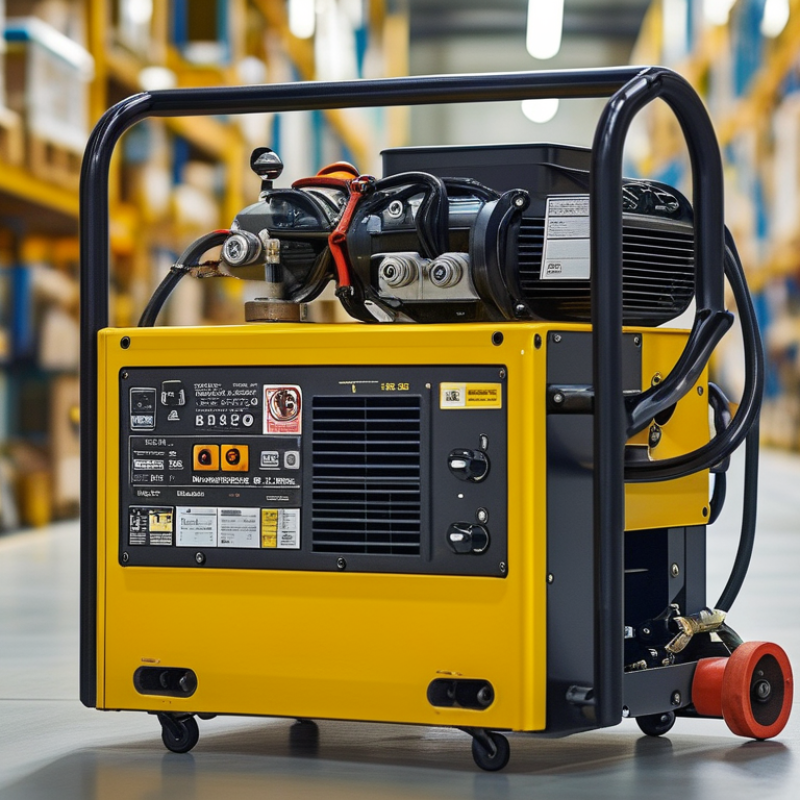
When considering a rotary compressor, it's crucial to grasp its functionality. Rotary compressors utilize rotating mechanisms to compress air or refrigerants efficiently. These compressors are essential in air conditioning and refrigeration systems. According to industry studies, they are more reliable and quieter than piston-type compressors. This efficiency makes them a popular choice across various applications.
When buying a rotary compressor, focus on several key features. Look for the compressor’s capacity, as it should match your system’s requirements. Operational efficiency is equally important. A compressor with a high energy efficiency ratio (EER) can save costs over time. Performance data indicates that choosing a model with an EER above 12 can lead to substantial savings in energy bills.
Consider the type of lubrication as well. Some models use oil while others are oil-free. Oil-free compressors typically require less maintenance but may have shorter lifespans. Reviews from industry experts suggest that both types can perform well if chosen appropriately. Users often overlook warranty terms. A longer warranty usually indicates manufacturer confidence in their product's durability.
When selecting a rotary compressor, identifying specific needs is crucial. Start by understanding the application. What tasks will the compressor handle? Consider the required horsepower and capacity. Analyze the workload expectations.
Energy efficiency is another important factor. Determine how often the compressor will run. This impacts long-term energy costs. Investigate the noise levels too, especially if it's for a workplace. A quieter model could enhance comfort and productivity.
Think about space constraints as well. Measure the installation area. Compact models might be more suitable in limited spaces. Also, assess maintenance requirements. A model that is easy to service often saves time and money in the long run. Many overlook this aspect, risking future headaches.
When purchasing a rotary compressor, energy efficiency should be a top priority. Evaluating energy efficiency ratings is crucial for understanding operational costs. These ratings often reflect how well a compressor converts electrical energy into useful work. Look for units with higher energy efficiency ratings, as they can lead to significant savings over time.
Tip: Consider the long-term costs, not just the initial price. A more expensive, energy-efficient model may save you money in the long run. Compare the power consumption of different models available. Calculating the expected energy costs can provide insight into which compressor is the best choice.
Another important factor is operational costs. The compressor’s design directly impacts maintenance requirements. Some models may require more frequent servicing, leading to higher ongoing expenses. Pay attention to the warranty and service options provided. This information can affect your decision substantially.
Lastly, gather opinions from professionals in the field. Their experiences can highlight issues that you may not have considered. Relying solely on online reviews can be misleading due to varying factors like usage conditions. It's wise to evaluate all sources to ensure a well-informed decision.
When purchasing a rotary compressor, examining brand reputation is crucial. Brands with a solid history often offer reliable products. Look into how long the brands have been in the market. Longevity can indicate trustworthiness. Customer reviews further enrich this reputation analysis. Reading both positive and negative feedback provides a clearer picture.
Tips can help streamline your buying process. Focus on energy efficiency when evaluating options. It influences not only performance but also operating costs. Pay attention to noise levels. Select a model that operates quietly, especially for home use. This aspect can significantly affect your comfort.
Customer testimonials can reveal common issues. A successful product might still have flaws, and users will share them. Look for patterns in reviews. If multiple customers report similar problems, it could be a red flag. Use this information as a tool for reflection in your decision-making.
| Tip | Description | Customer Rating | Brand Reputation |
|---|---|---|---|
| Research Different Models | Compare features and specifications to find the best fit. | 4.5/5 | Strong |
| Check Energy Efficiency | Look for models with high energy ratings to save on costs. | 4.7/5 | Average |
| Read Customer Reviews | Feedback can reveal real-life performance experiences. | 4.8/5 | Excellent |
| Consider After-Sales Support | Ensure reliable customer service and warranty options. | 4.3/5 | Good |
| Evaluate Price vs. Features | Balance your budget with necessary features and quality. | 4.6/5 | Solid |
When considering a rotary compressor, maintenance and warranty options play a crucial role in its longevity. According to industry reports, nearly 40% of compressor failures are linked to poor maintenance practices. Regular servicing can help mitigate this risk. Frequent oil changes and filter replacements are essential for optimal performance. Many experts recommend a maintenance schedule that includes quarterly checks to reduce the chance of unexpected breakdowns.
Warranty options also significantly impact long-term investment. Research indicates that compressors with extended warranties tend to offer better reliability. Typically, a standard warranty covers mechanical failures for one year, but extended options can last up to five years or more. However, be mindful of the fine print. Some warranties may have exclusions that become costly in the long run. It’s vital to understand what is covered and the conditions attached.
While investing in a rotary compressor, choose one that aligns with your maintenance capabilities. Investing time in training staff for proper maintenance can decrease repair costs. This commitment can lead to more efficient operations over time. However, overlooking this aspect can lead to frustrating downtime and unexpected expenses. A well-maintained compressor is not just an operational asset but a long-term investment.
„Thanks to the LUVIR technology, the solder resist process could be switched directly from the previously used mask exposure to direct exposure. As an outstanding digital solution on the market, this technology has been able to demonstrate fast process times and superior quality on our certified conventional ink in production. This allowed us to fully digitize the solder mask process at low cost – without process or ink adjustments. An excellent benefit to our production in Rot am See.“
Ralf Göhringer (Head of Production WE Rot am See)
I would definitely recommend the Limata machine and team for a future company purchase
Michael Greenaway
Compunetics Inc.
“The Limata ldi has been amazing!! Best thing we did was buy this machine”
Richard Brady
GM
Circuitlabs
“Since 2019, we have been running the Limata X1000 LDI system (including LUVIR for solder mask imaging) in daily production as an addition to our current process with film. The machine was capable of properly exposing Taiyo PSR-4000 BN (DI) solder mask types on normal to high-copper boards using a new and unique direct imaging process. The machine operating interface is very user friendly which allowed for a quick technical training curve. The pre-registration processing reduced several seconds of production time at every print. Limata support and service staff is incomparable. They supported our team every step of the way at basically any time of the day or night, with literally, an immediate response time, customizing the software interface to best fit our Operations and needs.
We have exposed more than 8,000 prints since end of October, on various solder mask colors and some resist film panels. Limata, has proven to be very capable and innovative. They are a strong contender in the industry.
We have very much enjoyed this project, and working with the team!
Thank you Limata for the continued support and being a part of our growth.”
Bill Sezate
Vice President, GM
Summit Interconnect
As a replacement to our current contact exposure process with film, the LIMATA X2000 system including LUVIR-Technology was capable of properly exposing non-LDI solder mask types using a direct imaging process. The machine offers cutting edge software with a very intuitive operating interface which allowed for quick technician training curve. The dual drawer system combined with pre-registration processing reduced several seconds of production time at every machine cycle. Limata support and service staff is world class. They added software patches to keep production running at shortest possible response times, customized the software interface to best fit our in-house Operations system, and even wrote a step-by-step machine processing manual. As a result of the project, we have exposed more than 16,000 times on various product types and solder mask brands/colors. Limata, in a very short timeframe as a company, has definitely shown they are truly innovative and will be challenging the industry of direct imaging for the top spot.
Kevin Beattie
Process Engineer
TTM Technologies
Forest Grove Division
