Choosing the right Skin Care Machine is not simply a matter of selecting the newest model. A bright display, polished handle, or impressive treatment menu can hide weak performance. Buyers need evidence, practical experience, and a clear understanding of their clients’ needs.
Dr. Joshua Zeichner, a dermatologist and director of cosmetic and clinical research in dermatology at Mount Sinai, has said, “The best skin-care routine is the one that you can stick with.” The same principle applies to professional equipment. A machine must be safe, useful, comfortable, and realistic for daily operation. If staff avoid it because setup takes too long, its advanced features have little value.
Small details matter. Check the device’s energy settings, treatment heads, cleaning process, warranty, and training support. Ask whether replacement parts are easy to obtain. Confirm that the supplier provides clear safety instructions and suitable user education. A low purchase price may become expensive when repairs, consumables, or downtime appear later.
There is no perfect machine.
This guide presents seven practical tips for buying the best Skin Care Machine. It considers treatment goals, technology, client comfort, business costs, certifications, supplier reliability, and long-term usability. Some recommendations may challenge common buying habits. For example, more functions do not always mean better results. A simpler device may serve a busy clinic more effectively.
Inevitably, judgment remains part of the process. Product brochures cannot reveal everything. Test the equipment when possible, compare measurable specifications, and question claims that sound too good. Careful buyers do not chase trends; they choose technology they can responsibly operate and consistently maintain.
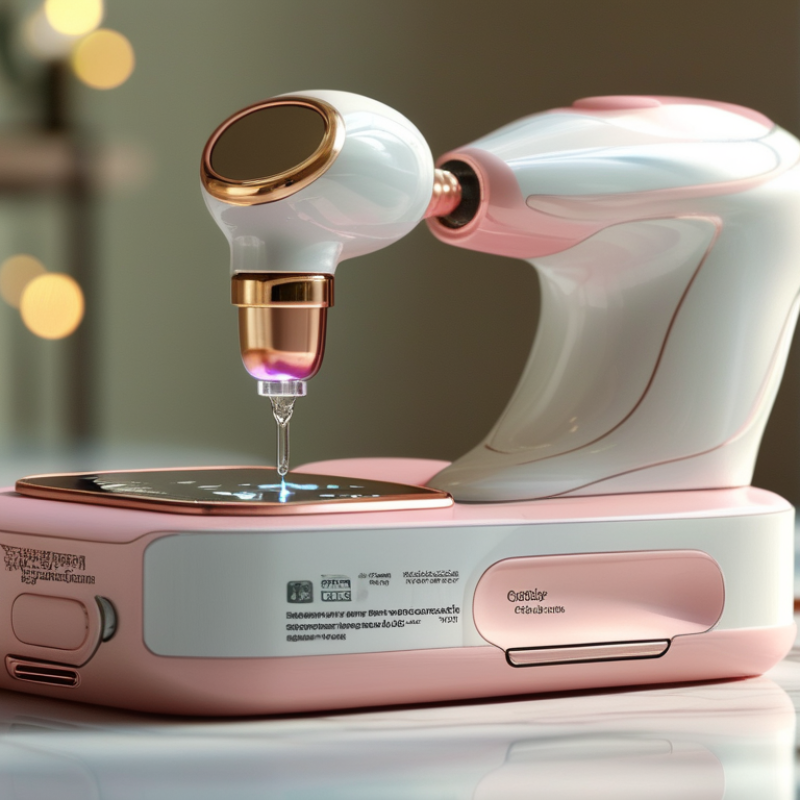
Before comparing skin care machines, define the problem you want to address. Acne, uneven tone, fine lines, sensitivity, and hair reduction require different technologies. The American Academy of Dermatology reports that acne affects up to 50 million Americans annually. That figure shows the need, but not the treatment. A device designed for temporary cleansing may not suit inflamed acne or fragile skin.
Write down your main concern, skin type, treatment area, and acceptable downtime. Then check whether the machine’s energy type matches your goal. LED devices, for example, use different wavelengths for different skin concerns. Heat-based tools may feel soothing, yet they can worsen redness for some users. Small details matter. Look for tested output levels, clear safety instructions, eye protection guidance, and maintenance requirements. Avoid vague claims such as “works for everyone.”
Professional oversight is also important. ISAPS industry surveys show that millions of nonsurgical aesthetic procedures are performed worldwide each year, but popularity does not prove suitability. A licensed dermatologist can review medications, pigmentation risk, active infections, and previous treatments.
Home devices usually offer lower intensity, though misuse can still cause irritation. I would not choose the strongest setting simply because it sounds more effective. That choice can be imperfect. Skin reacts differently, and even a careful plan may need adjustment after several weeks.
Keep treatment records, take consistent photos, and stop if persistent pain, blistering, or unusual discoloration appears.
Buying the best skin care machine starts with its treatment function, not its screen or price. Grand View Research reports that the global aesthetic medicine market could reach about USD 39 billion by 2030. Growth is strong, but product quality varies widely. Match the device to a defined need: cleansing, hydration, pigmentation, acne support, hair reduction, or skin tightening. Do not accept vague claims.
Compare technologies carefully. Radiofrequency heats deeper tissue, while LED uses specific light wavelengths for surface-focused applications. Microcurrent delivers low electrical stimulation, and ultrasonic tools use mechanical vibration.
Ask for measured energy levels, wavelength details, treatment depth, and adjustable settings. Check whether independent testing supports the technical claims. More power is not always better. Skin can react badly.
Treatment comfort matters. Examine probe size, cooling systems, session length, cleaning requirements, and replacement parts. A 2024 report from Fortune Business Insights identifies technological innovation and non-invasive procedures as major market growth drivers, but forecasts do not prove clinical effectiveness. Request clinical evidence, safety instructions, and operator training. Verify applicable local authorization before purchase.
A device may look professional yet feel awkward after ten minutes. I have seen buyers overvalue elegant interfaces and undervalue maintenance. That is an expensive mistake. Compare total ownership cost, not only the purchase price.
Buying the best skin care machine starts with safety, not glowing advertisements. Look for clear electrical ratings, automatic shutoff, temperature limits, and insulated handles. IEC 60601-1 indicates basic electrical safety for applicable medical electrical equipment. ISO 14971 addresses risk management. These standards matter, but a certificate is not proof of every marketing claim.
Check the paperwork carefully. FDA registration does not mean FDA approval, and the FDA warns consumers to verify a device’s legal status. For skin-contact parts, evidence aligned with ISO 10993 can show that materials were assessed for biocompatibility. Ask for test scope, certificate dates, and the exact model number. Vague badges should raise questions. Small details matter.
Skin compatibility needs equal attention. The American Academy of Dermatology estimates that acne affects up to 50 million Americans annually, so many users have sensitive or inflamed skin. Avoid devices that combine strong heat, light, suction, or electrical current without adjustable settings. Patch-test on a small area first, especially after exfoliation or shaving. Stop if burning, swelling, or persistent redness appears. I would not assume “professional strength” means better results. Sometimes, it only means greater risk when instructions are unclear. Even careful buyers can miss this.
| Tip | What to Check | Reliable Information | Why It Matters | Warning Signs |
|---|---|---|---|---|
| 1. Identify the Intended Treatment | Confirm whether the device provides cleansing, light therapy, microcurrent, radiofrequency, exfoliation, or another function. | The product description should clearly state its technology, intended use, operating method, and treatment area. | Different technologies work through different mechanisms and are not interchangeable for every skin concern. | Vague claims such as “instant renewal” or promises to treat every skin problem without evidence. |
| 2. Verify Safety Features | Look for adjustable intensity, automatic shut-off, overheating protection, insulated housing, eye protection guidance, and clear operating instructions. | Safety controls should be described in the user manual, including recommended session duration and frequency. | Adjustable controls can help users start conservatively and reduce the risk of irritation, burns, or excessive exposure. | No manual, no exposure limits, exposed electrical parts, excessive heat, or a device that cannot be stopped quickly. |
| 3. Check Certifications and Regulatory Information | Review applicable electrical, electromagnetic compatibility, and market-specific regulatory documentation. | A valid conformity mark or registration should be traceable to the product model and supported by documentation. Certification requirements vary by country and device type. | Traceable compliance information provides evidence that the product has been assessed against relevant requirements. | Unverifiable logos, incorrect certification numbers, or claims that a general quality mark proves medical effectiveness. |
| 4. Match the Device to Your Skin Type | Assess whether the device is suitable for dry, oily, sensitive, acne-prone, reactive, or combination skin. | Sensitive or compromised skin generally requires lower intensity, shorter sessions, and avoidance of aggressive exfoliation or heat. | A device that is appropriate for one skin type may worsen redness, dryness, irritation, or inflammation in another. | The instructions do not mention sensitive skin, patch testing, or conditions requiring professional advice. |
| 5. Review Contraindications | Check warnings related to pregnancy, photosensitivity, active skin disease, open wounds, implanted electronic devices, recent procedures, and prescription medicines. | People using photosensitizing medicines or with an implanted electronic device should seek professional advice before using relevant technologies. | Certain energies, electrical currents, or active ingredients can create avoidable health risks for specific users. | The manufacturer provides no contraindications or says the device is safe for everyone without exceptions. |
| 6. Evaluate Ease of Cleaning and Maintenance | Inspect the materials, detachable parts, water resistance rating, charging method, and cleaning instructions. | Only use water or cleaning products specifically permitted in the manual. Water resistance does not always mean the device is safe to submerge. | Proper cleaning helps reduce buildup of oil, cosmetics, and microorganisms while protecting the device from damage. | Hard-to-clean seams, unclear sanitation instructions, damaged cables, or a charging port exposed to water. |
| 7. Compare Evidence, Warranty, and Support | Review independent evidence, return terms, warranty duration, replacement parts, customer support, and availability of the user manual. | Prefer claims supported by published testing or clearly described performance data. A warranty does not guarantee clinical effectiveness. | Reliable support and realistic evidence make it easier to use the device safely and judge whether it is suitable for your needs. | Only testimonials are provided, results are guaranteed, or warranty and return conditions are difficult to find. |
Safety note: Always follow the device manual, perform a patch test when appropriate, stop use if pain or significant irritation occurs, and consult a qualified healthcare professional when you have a medical condition or use prescription treatment.
7 Tips for Buying the Best Skin Care Machine?
Evaluate Performance, Usability, Maintenance, and Product Quality
Start by checking whether the machine delivers consistent output during repeated sessions. Adjustable intensity, stable temperature, and a clear timer matter more than impressive power claims. Ask for test data, not vague promises. Test it under pressure. Observe noise, vibration, and heat after ten minutes. These details reveal performance weaknesses quickly.
Usability should fit real working conditions. The controls must be readable, even with gloved hands. A balanced handle reduces wrist strain during longer treatments. Look for simple settings and clear safety alerts. Maintenance is equally important. Smooth, sealed surfaces are easier to disinfect. Check whether filters, cables, and treatment heads can be replaced. Confirm cleaning instructions before purchase. Complicated care often becomes neglected care.
Product quality depends on evidence and traceability. Review the user manual, safety documentation, warranty terms, and service process. Reliable suppliers should explain testing standards and provide parts support. Ask how materials resist repeated cleaning and daily handling. During my own equipment evaluations, I once focused too heavily on appearance and underestimated repair access. That was a costly oversight. A beautiful panel cannot compensate for unavailable parts. Compare several units in the same room, record their operating details, and let trained users handle them. Their feedback may expose problems that specifications miss.
The purchase price is only the beginning. Add consumables, replacement cartridges, software fees, training, shipping, and maintenance. Grand View Research estimates the global aesthetic devices market will grow steadily through 2030, increasing consumer choice and pricing confusion. Compare a three-year ownership cost, not just the checkout figure. Ask for written estimates.
Warranty terms deserve close attention. Check coverage duration, labor limits, exclusions, and repair shipping. A low-cost machine becomes expensive when downtime stops appointments. Confirm whether the seller provides installation, operating guidance, spare parts, and response times. Support matters.
Read reviews beyond star ratings. Look for verified buyers, repeated comments, treatment settings, noise, cleaning, and failure patterns. The Spiegel Research Center reported that displaying reviews can substantially increase purchase confidence, but reviews are not clinical evidence. That distinction is easy to miss. Cross-check claims with regulatory documents, professional guidance, and published technical data. The FDA also warns that clearance does not automatically prove every marketing claim or guarantee results.
Request service records and product specifications. Compare energy use, replacement-part prices, and expected service intervals. A machine costing 20% less may cost more within one year. I once trusted a polished sales page too quickly; the warranty excluded the part most likely to wear. That mistake changed my checklist. Keep every promise in writing. Then question your own assumptions.
„Thanks to the LUVIR technology, the solder resist process could be switched directly from the previously used mask exposure to direct exposure. As an outstanding digital solution on the market, this technology has been able to demonstrate fast process times and superior quality on our certified conventional ink in production. This allowed us to fully digitize the solder mask process at low cost – without process or ink adjustments. An excellent benefit to our production in Rot am See.“
Ralf Göhringer (Head of Production WE Rot am See)
I would definitely recommend the Limata machine and team for a future company purchase
Michael Greenaway
Compunetics Inc.
“The Limata ldi has been amazing!! Best thing we did was buy this machine”
Richard Brady
GM
Circuitlabs
“Since 2019, we have been running the Limata X1000 LDI system (including LUVIR for solder mask imaging) in daily production as an addition to our current process with film. The machine was capable of properly exposing Taiyo PSR-4000 BN (DI) solder mask types on normal to high-copper boards using a new and unique direct imaging process. The machine operating interface is very user friendly which allowed for a quick technical training curve. The pre-registration processing reduced several seconds of production time at every print. Limata support and service staff is incomparable. They supported our team every step of the way at basically any time of the day or night, with literally, an immediate response time, customizing the software interface to best fit our Operations and needs.
We have exposed more than 8,000 prints since end of October, on various solder mask colors and some resist film panels. Limata, has proven to be very capable and innovative. They are a strong contender in the industry.
We have very much enjoyed this project, and working with the team!
Thank you Limata for the continued support and being a part of our growth.”
Bill Sezate
Vice President, GM
Summit Interconnect
As a replacement to our current contact exposure process with film, the LIMATA X2000 system including LUVIR-Technology was capable of properly exposing non-LDI solder mask types using a direct imaging process. The machine offers cutting edge software with a very intuitive operating interface which allowed for quick technician training curve. The dual drawer system combined with pre-registration processing reduced several seconds of production time at every machine cycle. Limata support and service staff is world class. They added software patches to keep production running at shortest possible response times, customized the software interface to best fit our in-house Operations system, and even wrote a step-by-step machine processing manual. As a result of the project, we have exposed more than 16,000 times on various product types and solder mask brands/colors. Limata, in a very short timeframe as a company, has definitely shown they are truly innovative and will be challenging the industry of direct imaging for the top spot.
Kevin Beattie
Process Engineer
TTM Technologies
Forest Grove Division
