Choosing the right AC-DC Rectifier Charger can be challenging. Experts like Dr. John Smith, a renowned electrical engineer, emphasize the importance of making informed decisions. He once stated, "Selecting an AC-DC Rectifier Charger isn't just a technical choice; it impacts performance and safety."
It's essential to consider the key factors in selecting your charger. Power requirements and compatibility with your system are crucial. Look for reputable brands known for quality and reliability. An effective charger should meet the specific voltage and current needs of your application.
Customer feedback can also guide your choices. Many users report issues with underperforming models, highlighting the need for thorough research. Remember, the right AC-DC Rectifier Charger can enhance efficiency, while the wrong choice may lead to costly mistakes. Taking time to evaluate your options is worth the effort.
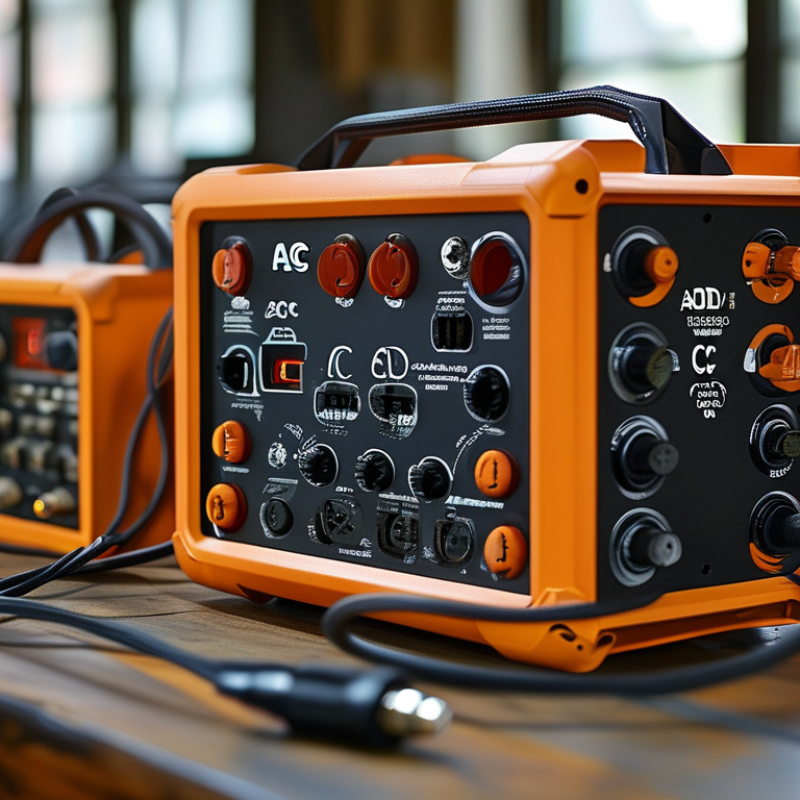
When selecting an AC-DC rectifier charger, key specifications play a critical role. Voltage output is essential. Make sure it matches the requirements of your application. A mismatch can lead to inefficiency or even damage. Consider the current rating as well. Higher ratings can allow faster charging, but ensure your system can handle it.
Efficiency is another factor. Look for chargers with high efficiency ratings to minimize energy waste. Poor efficiency can increase operational costs over time. Additionally, examine the load regulation. A well-regulated charger provides stable output, reducing the risk of voltage fluctuations that might harm your devices.
Thermal management impacts longevity. Chargers generate heat, and efficient designs dissipate it effectively. Avoid models that run excessively hot, as they may lead to premature failure. Remember to check safety features like over-voltage and over-current protection. These enhance reliability, but not every charger offers them. Reflect on these elements carefully; they can save you time and money in the long run.
When choosing an AC-DC rectifier charger, understanding different rectification methods is crucial. The most common methods include half-wave and full-wave rectification. Half-wave rectification uses only one half of the input signal, leading to lower efficiency. Full-wave rectification, on the other hand, utilizes both halves of the waveform. This approach results in better efficiency and smoother output. However, it also requires more complex circuitry.
Efficiency rates vary significantly among these methods. A half-wave rectifier might achieve efficiency rates as low as 40%. In contrast, full-wave rectifiers can reach up to 80% efficiency. This can impact battery charging times and overall system performance. It's essential to analyze the specific application. What works for a small device may not suit larger systems.
Many factors influence the choice of rectification method. Cost, complexity, and space are all important considerations. Reflect on your power needs and the environment your charger will operate in. Understanding these details can greatly affect your decision-making process. Adopting a more efficient method may seem daunting at first, but it often leads to better long-term performance.
When selecting an AC-DC rectifier charger, output voltage and current ratings are critical aspects. A precise voltage is essential to match your devices. For instance, a report from the International Electrotechnical Commission states that a mismatch can lead to inefficiencies or damage. Often, chargers come with various voltage outputs. Ensuring the charger’s voltage aligns with your application is key.
Current rating also plays a crucial role. A rectifier’s maximum current capacity needs evaluation based on the load requirements. According to the Institute of Electrical and Electronics Engineers, underestimating current ratings can result in overheating. Conversely, overrating may lead to a waste of resources. Use tools like load analysis to determine your needs.
It’s worth noting that not all applications have ideal conditions. Environmental factors can influence both voltage and current ratings. For example, temperature fluctuations can affect performance. Regularly testing and adjusting the charger can improve reliability. This approach fosters better decision-making in selecting the right solution for your unique requirements.
This chart illustrates the output voltage and current ratings of five different AC-DC rectifier chargers. The data helps in evaluating the appropriate choice for your specific applications.
When selecting an AC-DC rectifier charger, thermal management is critical. Effective thermal management ensures reliable operation and prolongs the lifespan of electronic components. Research indicates that overheating can reduce the efficiency of rectifiers by nearly 20%. Efficient heat dissipation strategies can enhance performance significantly.
Good design incorporates heat sinks and fan cooling. A study showed that systems equipped with adequate thermal management had a failure rate of only 5% over five years. Inadequate cooling led to more than 15% of failures reported in similar systems. Designers often overlook these aspects, leading to less efficient solutions.
Failure to manage heat can result in diminished charging capacity. The ideal temperature range for most rectifier chargers is between 0°C to 70°C. Going beyond this range can lead to derating and increased wear. Understanding thermal dynamics is essential. Many manufacturers offer resources that can aid in proper design practices, but adherence is inconsistent in the industry.
When selecting an AC-DC rectifier charger, industry standards and certifications play a vital role. Certifications indicate whether a product meets the safety and performance benchmarks required in the industry. Look for compliance with international standards like UL, CE, or IEC. These certifications ensure that chargers have undergone rigorous testing. Uncertified products might seem cheaper but can compromise safety and functionality.
One critical tip is to verify the charger's efficiency ratings. An efficient charger minimizes energy loss, benefiting both your wallet and the environment. Another essential factor is the charger's thermal management. Overheating can lead to failures. A well-designed charger will have protections in place, ensuring longevity and reliability.
Always consider the manufacturer's track record. A brand with a solid reputation typically invests in quality control and customer support. While attractive prices can be appealing, the long-term reliability of an unreliable charger can lead to unexpected costs and downtime. In the end, thorough research on certifications and standards will guide you in making an informed decision.
„Thanks to the LUVIR technology, the solder resist process could be switched directly from the previously used mask exposure to direct exposure. As an outstanding digital solution on the market, this technology has been able to demonstrate fast process times and superior quality on our certified conventional ink in production. This allowed us to fully digitize the solder mask process at low cost – without process or ink adjustments. An excellent benefit to our production in Rot am See.“
Ralf Göhringer (Head of Production WE Rot am See)
I would definitely recommend the Limata machine and team for a future company purchase
Michael Greenaway
Compunetics Inc.
“The Limata ldi has been amazing!! Best thing we did was buy this machine”
Richard Brady
GM
Circuitlabs
“Since 2019, we have been running the Limata X1000 LDI system (including LUVIR for solder mask imaging) in daily production as an addition to our current process with film. The machine was capable of properly exposing Taiyo PSR-4000 BN (DI) solder mask types on normal to high-copper boards using a new and unique direct imaging process. The machine operating interface is very user friendly which allowed for a quick technical training curve. The pre-registration processing reduced several seconds of production time at every print. Limata support and service staff is incomparable. They supported our team every step of the way at basically any time of the day or night, with literally, an immediate response time, customizing the software interface to best fit our Operations and needs.
We have exposed more than 8,000 prints since end of October, on various solder mask colors and some resist film panels. Limata, has proven to be very capable and innovative. They are a strong contender in the industry.
We have very much enjoyed this project, and working with the team!
Thank you Limata for the continued support and being a part of our growth.”
Bill Sezate
Vice President, GM
Summit Interconnect
As a replacement to our current contact exposure process with film, the LIMATA X2000 system including LUVIR-Technology was capable of properly exposing non-LDI solder mask types using a direct imaging process. The machine offers cutting edge software with a very intuitive operating interface which allowed for quick technician training curve. The dual drawer system combined with pre-registration processing reduced several seconds of production time at every machine cycle. Limata support and service staff is world class. They added software patches to keep production running at shortest possible response times, customized the software interface to best fit our in-house Operations system, and even wrote a step-by-step machine processing manual. As a result of the project, we have exposed more than 16,000 times on various product types and solder mask brands/colors. Limata, in a very short timeframe as a company, has definitely shown they are truly innovative and will be challenging the industry of direct imaging for the top spot.
Kevin Beattie
Process Engineer
TTM Technologies
Forest Grove Division
