Choosing the right Electric DC Motors for your business can be daunting. With various options available, making the best choice is crucial. Electric DC Motors are essential in applications ranging from automation to robotics. Thus, understanding their features helps ensure efficiency.
These motors vary in size, voltage, and performance. Selecting the right one involves careful consideration of your specific needs. It can be challenging to differentiate between quality and subpar products. A wrong choice may lead to operational inefficiencies and increased costs.
Investing time in research is invaluable. Look for reputable manufacturers and read reviews. A good supplier should offer reliable support. This will reflect on the longevity of your motors. Choosing wisely can greatly enhance your business's operational capacity.
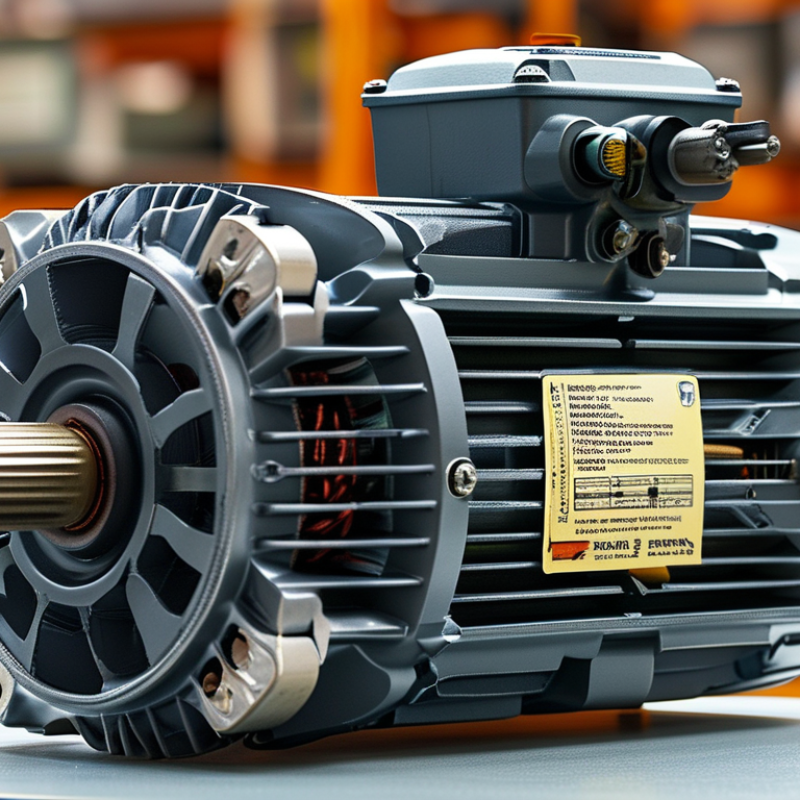
Electric DC motors are versatile tools in various industries. They convert electrical energy into motion efficiently. Applications range from small devices to large machinery. In robotics, they provide precise control. This is crucial for tasks requiring accuracy, like assembly lines.
When selecting an electric DC motor, consider the specific application. Factors include voltage, speed, and torque requirements. Understanding these parameters helps in choosing the right motor. Reliability is key. A motor can fail if not matched with its application. Testing different options might make the selection process longer but more effective.
Applications often highlight the importance of customization. Some projects may demand unique sizes or configurations. Off-the-shelf solutions may not fit perfectly. It can be tempting to go for standard options, but it's worth evaluating custom designs. This reflection can lead to enhanced performance and longevity in operations. Always analyze trade-offs between cost and performance in your choices.
| Parameter | Description | Application |
|---|---|---|
| Voltage Rating | Determines the amount of power the motor requires | Industrial equipment, Automated systems |
| Current Rating | Indicates the maximum current the motor can handle | Robotics, Conveyor systems |
| Torque Output | The rotational force produced by the motor | Electric bikes, Power tools |
| Speed Rating | Measured in RPM, indicates how fast the motor can rotate | Fans, Pumps |
| Size and Weight | Dimensions and weight of the motor affect installation and operation | Portable devices, Small machinery |
| Efficiency | Indicates how well the motor converts electrical energy into mechanical energy | Energy-efficient appliances, HVAC systems |
When choosing electric DC motors for business needs, understanding key specifications is crucial. Start with voltage requirements. Motors are available in various voltages, typically ranging from 12V to 48V. Ensure the motor voltage matches your power supply to avoid complications. Also, look at the power output. It’s measured in watts or horsepower. Higher power ratings can drive larger loads.
Speed and torque are equally important. Speed is often measured in RPM (revolutions per minute). Select a motor that provides the necessary speed for your application. Torque indicates the motor's ability to perform work. Too little torque can lead to inefficiencies. Additionally, consider the motor's duty cycle. Motors that run continuously need a different rating compared to those used intermittently.
Don’t overlook factors like size and weight. A more compact motor might fit better in your design. Cooling requirements should also be addressed. Some motors require additional cooling methods for prolonged use. Lastly, reflect on the long-term reliability of the motor. Users often express concerns about degradation over time. Select a motor with a reputation for durability to minimize replacement costs.
When selecting electric DC motors, evaluating motor performance and efficiency ratings is crucial. Efficiency ratings give insight into how effectively a motor converts electrical energy into mechanical energy. According to recent industry reports, highly efficient motors can achieve up to 95% efficiency. This level of efficiency reduces energy waste and operating costs significantly.
Motor performance is often assessed using parameters like torque, speed, and load capacity. Torque ratings indicate how much load a motor can handle effectively at a given speed. A motor with high torque at low speeds can perform well in specific applications such as conveyors or cranes. The speed rating reveals the motor's capability to fulfill the desired application requirements. At higher loads, motors tend to have varied performance. Selecting a motor that matches your specific operational needs is essential.
It’s important to consider thermal performance as well. Overheating can lead to reduced lifespan and performance degradation. Research indicates that motors operating in optimal thermal conditions show increased reliability and longevity. Buyers should also analyze the motor's startup torque and current ratings, as these factors influence overall efficiency during operation. Balancing these specifications with application demands is essential for optimal performance. Some users may overlook these details, highlighting the need for thorough evaluation during the selection process.
When choosing electric DC motors, assessing the cost factors and supplier reliability is crucial. A report by the International Energy Agency (IEA) indicates that motor systems account for about 45% of global electricity consumption. Therefore, selecting the right supplier can significantly impact operational costs. Suppliers with a strong track record typically offer better pricing structures and warranties, which are essential for budgeting.
Reliability is another critical factor. According to research from the Electric Power Research Institute (EPRI), the failure rate of electric motors is about 10% per year. Businesses need to partner with suppliers that provide high-quality motors. This not only minimizes maintenance costs but also reduces downtime. Analyzing supplier reviews and industry certifications can help in making informed decisions.
Cost shouldn't be the only consideration. Some low-cost suppliers may compromise on quality. Investing in slightly more expensive but reliable motors can yield long-term savings. You may face challenging choices between upfront costs and future expenses. Strive for a balance that aligns with your business goals while ensuring motor performance meets your operational standards.
When selecting electric DC motors, it's crucial to think about future scalability and maintenance. Businesses expand, and their needs evolve. A motor that fits current demands may soon fall short. Consider motors that offer flexibility in performance. They should be able to adjust to increased loads or varied operational requirements without major modifications.
Maintenance is another vital aspect. Regular upkeep can extend the lifespan of your motors. Look for designs that allow easy access to components. This simplifies repair processes and reduces downtime. Also, consider the availability of parts. If a motor requires specific components, how easy is it to acquire them? Acting on these reflections can prevent headaches down the line.
Lastly, don’t overlook energy efficiency. A motor that consumes less energy may have a higher upfront cost but will save money over time. Evaluate your operational environment. Is there room for more efficient technology? Balancing immediate needs with long-term goals requires careful thought. Investing in the right motor today supports sustainable growth for tomorrow.
„Thanks to the LUVIR technology, the solder resist process could be switched directly from the previously used mask exposure to direct exposure. As an outstanding digital solution on the market, this technology has been able to demonstrate fast process times and superior quality on our certified conventional ink in production. This allowed us to fully digitize the solder mask process at low cost – without process or ink adjustments. An excellent benefit to our production in Rot am See.“
Ralf Göhringer (Head of Production WE Rot am See)
I would definitely recommend the Limata machine and team for a future company purchase
Michael Greenaway
Compunetics Inc.
“The Limata ldi has been amazing!! Best thing we did was buy this machine”
Richard Brady
GM
Circuitlabs
“Since 2019, we have been running the Limata X1000 LDI system (including LUVIR for solder mask imaging) in daily production as an addition to our current process with film. The machine was capable of properly exposing Taiyo PSR-4000 BN (DI) solder mask types on normal to high-copper boards using a new and unique direct imaging process. The machine operating interface is very user friendly which allowed for a quick technical training curve. The pre-registration processing reduced several seconds of production time at every print. Limata support and service staff is incomparable. They supported our team every step of the way at basically any time of the day or night, with literally, an immediate response time, customizing the software interface to best fit our Operations and needs.
We have exposed more than 8,000 prints since end of October, on various solder mask colors and some resist film panels. Limata, has proven to be very capable and innovative. They are a strong contender in the industry.
We have very much enjoyed this project, and working with the team!
Thank you Limata for the continued support and being a part of our growth.”
Bill Sezate
Vice President, GM
Summit Interconnect
As a replacement to our current contact exposure process with film, the LIMATA X2000 system including LUVIR-Technology was capable of properly exposing non-LDI solder mask types using a direct imaging process. The machine offers cutting edge software with a very intuitive operating interface which allowed for quick technician training curve. The dual drawer system combined with pre-registration processing reduced several seconds of production time at every machine cycle. Limata support and service staff is world class. They added software patches to keep production running at shortest possible response times, customized the software interface to best fit our in-house Operations system, and even wrote a step-by-step machine processing manual. As a result of the project, we have exposed more than 16,000 times on various product types and solder mask brands/colors. Limata, in a very short timeframe as a company, has definitely shown they are truly innovative and will be challenging the industry of direct imaging for the top spot.
Kevin Beattie
Process Engineer
TTM Technologies
Forest Grove Division
