Choosing the right hard steel plate is crucial in global procurement. Industry expert John Smith emphasizes, "The integrity of your project relies heavily on selecting quality materials." Hard steel plates are essential for manufacturing robust structures. They offer durability and resistance against wear and tear.
However, with many suppliers worldwide, it is easy to make mistakes. The quality of hard steel plates varies greatly, and second-rate products can lead to project failures. Buyers must evaluate suppliers thoroughly. This includes checking their certifications and previous client reviews.
A thoughtful approach to procurement can prevent costly errors. Companies should create clear specifications for their needs. They must also understand the specific properties of hard steel plates. This knowledge can help in making informed decisions that enhance the project's success.
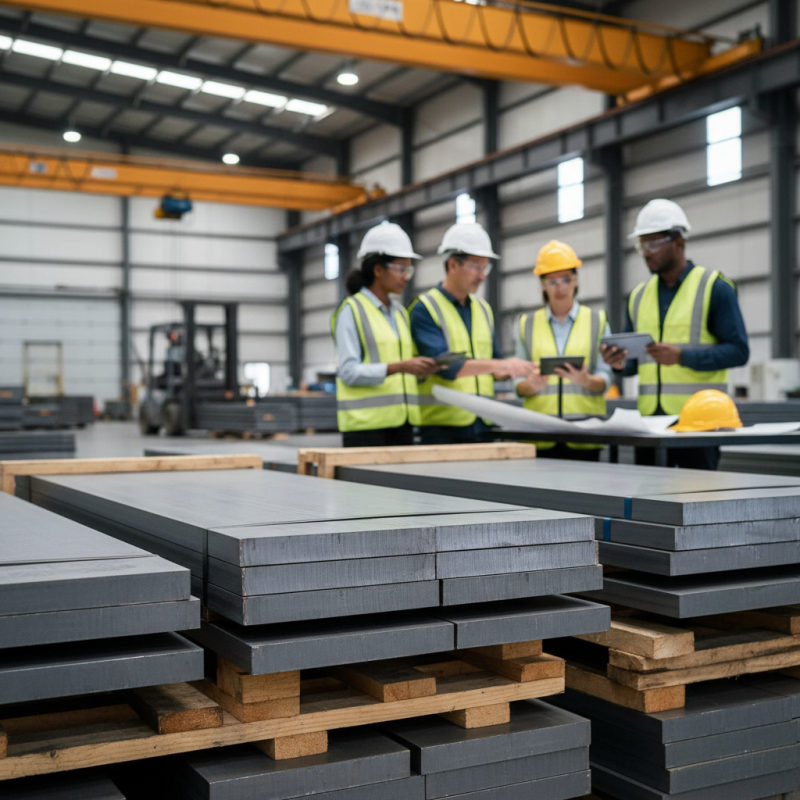
Hard steel plates are known for their durability and versatility in various industries. They serve a wide range of applications, from construction to manufacturing and mining. According to a recent report by MarketsandMarkets, the global hard steel plate market is projected to reach $65 billion by 2025, underscoring its significance in heavy-duty applications.
When selecting hard steel plates, consider their hardness level, which determines their performance in specific tasks. Plates with a hardness of over 400 BHN (Brinell hardness number) are ideal for high-impact environments. Additionally, the thickness and width of the plates play a role in their usability. Pick dimensions that align with your project requirements. Be aware that some suppliers might not meet strict quality standards, so always verify certifications.
One crucial tip is to assess the plate's source. A reputable supplier should provide comprehensive test results, including tensile strength and impact resistance data. Conducting due diligence on the manufacturer can prevent costly mistakes. Remember, obtaining a reliable product is paramount to project success. Be cautious of low-cost options that could compromise quality. Reflecting on your choices in sourcing can enhance procurement strategies.
| Properties | Description | Applications |
|---|---|---|
| Hardness | Typically ranges from 500 to 600 HB | Wear-resistant applications |
| Thickness | Available from 3mm to 100mm | Construction and industrial machinery |
| Tensile Strength | Up to 1200 MPa | Heavy-duty applications |
| Impact Resistance | Excellent impact resistance | Mining and construction |
| Weldability | Requires preheat for thicker plates | Fabrication work |
When selecting hard steel plates for global procurement, several critical properties should be prioritized. Hardness is paramount and is typically measured using the Rockwell or Brinell scales. A plate with a hardness of 40 HRC can often withstand significant wear and tear. According to a report by the World Steel Association, maintaining a consistent hardness level can enhance product lifespan by up to 40%. However, hardness alone doesn’t dictate performance; toughness is essential too.
Toughness refers to a material's ability to absorb energy and resist cracking. A balance between hardness and toughness often reflects a steel plate’s suitability for various applications. Look for values of impact toughness measured in Joules; plates performing above 30 Joules at -20°C are preferable in harsher environments. Ductility enhances functionality, allowing the material to deform under stress without fracturing. Testing materials for elongation can prevent unexpected failures during processing.
Oxidation resistance is another crucial characteristic. Steel plates used in high-temperature applications or outdoors should have protective coatings or specific alloying elements to combat rust. Reports indicate that corrosion-related failures can account for up to 30% of maintenance costs in industrial sectors. Regular inspections and material tests during procurement can help ensure the selected plates meet the necessary standards, saving time and resources in the long run.
When evaluating suppliers for hard steel plates in global procurement, several factors warrant attention. Quality assurance is paramount. A recent study by the World Steel Association highlights that nearly 30% of steel plates fail to meet industry standards. This underscores the need for thorough supplier vetting processes. Look for suppliers with robust quality control systems and third-party certifications.
Beyond quality, consider the supplier's capacity and delivery reliability. Data from the International Steel Trade Portal indicates that delays in procurement can lead to a loss of up to 15% in project timelines. It's crucial to ask potential suppliers about their production capabilities and on-time delivery rates. Transparency in communication is another key aspect. Suppliers should be willing to provide full details about materials and sourcing. This transparency can reveal potential issues in supply chains.
Lastly, assess financial stability. A supplier’s financial health directly impacts their ability to meet long-term commitments. Reports suggest that over 20% of suppliers in the sector face financial risks that can disrupt supply. Regular financial audits and credit assessments can help mitigate such risks and ensure a reliable procurement process.
When acquiring hard steel plates, understanding cost factors is essential. Different grades and specifications can vary significantly in price. Quality often determines cost, so investing in higher-grade steel might save money in the long run. However, this is not always the case. Evaluate your actual needs before selecting a grade.
Consider the total cost of ownership. This includes manufacturing, transportation, and maintenance expenses. Also, think about the potential for waste during the manufacturing process. Unanticipated expenses can quickly impact your budget.
One essential tip is to compare suppliers. Some may offer lower initial prices but fail to meet quality standards. Request detailed quotes to avoid hidden fees. Conduct thorough research to find reliable suppliers. This will enhance your procurement process.
Be aware of fluctuations in the steel market. Prices can rise unexpectedly due to various factors. Regularly review your budget to adjust for these changes. Sustainability initiatives in procurement might also influence costs. Assess all angles before making a final decision.
In global procurement, quality assurance is vital when choosing hard steel plates. These materials must meet specific industry standards to ensure reliability. Often, the challenges arise when specifications are unclear or when suppliers don't provide adequate testing results. Therefore, a thorough understanding of quality standards is essential.
Tips for successful procurement of hard steel plates include verifying supplier certifications. Always ask for documentation that proves compliance with international standards. Transparent communication with suppliers is key. This helps clarify expectations and improves trust. Don't hesitate to request samples for evaluation before making any large purchases.
Another point to consider is the grade of the steel. Not all hard steel plates are created equal. Knowing the intended application can guide you in selecting the right material. Regular audits of your suppliers can reveal inconsistencies. Remember, a proactive approach often saves costs and time in the long run.
„Thanks to the LUVIR technology, the solder resist process could be switched directly from the previously used mask exposure to direct exposure. As an outstanding digital solution on the market, this technology has been able to demonstrate fast process times and superior quality on our certified conventional ink in production. This allowed us to fully digitize the solder mask process at low cost – without process or ink adjustments. An excellent benefit to our production in Rot am See.“
Ralf Göhringer (Head of Production WE Rot am See)
I would definitely recommend the Limata machine and team for a future company purchase
Michael Greenaway
Compunetics Inc.
“The Limata ldi has been amazing!! Best thing we did was buy this machine”
Richard Brady
GM
Circuitlabs
“Since 2019, we have been running the Limata X1000 LDI system (including LUVIR for solder mask imaging) in daily production as an addition to our current process with film. The machine was capable of properly exposing Taiyo PSR-4000 BN (DI) solder mask types on normal to high-copper boards using a new and unique direct imaging process. The machine operating interface is very user friendly which allowed for a quick technical training curve. The pre-registration processing reduced several seconds of production time at every print. Limata support and service staff is incomparable. They supported our team every step of the way at basically any time of the day or night, with literally, an immediate response time, customizing the software interface to best fit our Operations and needs.
We have exposed more than 8,000 prints since end of October, on various solder mask colors and some resist film panels. Limata, has proven to be very capable and innovative. They are a strong contender in the industry.
We have very much enjoyed this project, and working with the team!
Thank you Limata for the continued support and being a part of our growth.”
Bill Sezate
Vice President, GM
Summit Interconnect
As a replacement to our current contact exposure process with film, the LIMATA X2000 system including LUVIR-Technology was capable of properly exposing non-LDI solder mask types using a direct imaging process. The machine offers cutting edge software with a very intuitive operating interface which allowed for quick technician training curve. The dual drawer system combined with pre-registration processing reduced several seconds of production time at every machine cycle. Limata support and service staff is world class. They added software patches to keep production running at shortest possible response times, customized the software interface to best fit our in-house Operations system, and even wrote a step-by-step machine processing manual. As a result of the project, we have exposed more than 16,000 times on various product types and solder mask brands/colors. Limata, in a very short timeframe as a company, has definitely shown they are truly innovative and will be challenging the industry of direct imaging for the top spot.
Kevin Beattie
Process Engineer
TTM Technologies
Forest Grove Division
