Choosing the right Hydraulic Pressure Control Valve is crucial for efficient system performance. These valves regulate pressure, ensuring stability in hydraulic systems. Selecting a valve involves understanding your specific needs and system requirements.
Consider various factors, like flow rate and pressure range. Each application demands different specifications. It’s essential to assess compatibility with existing equipment. However, even expert recommendations may not suit every scenario.
Consulting a knowledgeable supplier can provide insights into suitable options. Yet, personal experience often shapes decision-making. Understanding pitfalls in previous selections will improve judgment. Selecting a hydraulic pressure control valve requires careful thought and a balance of knowledge.
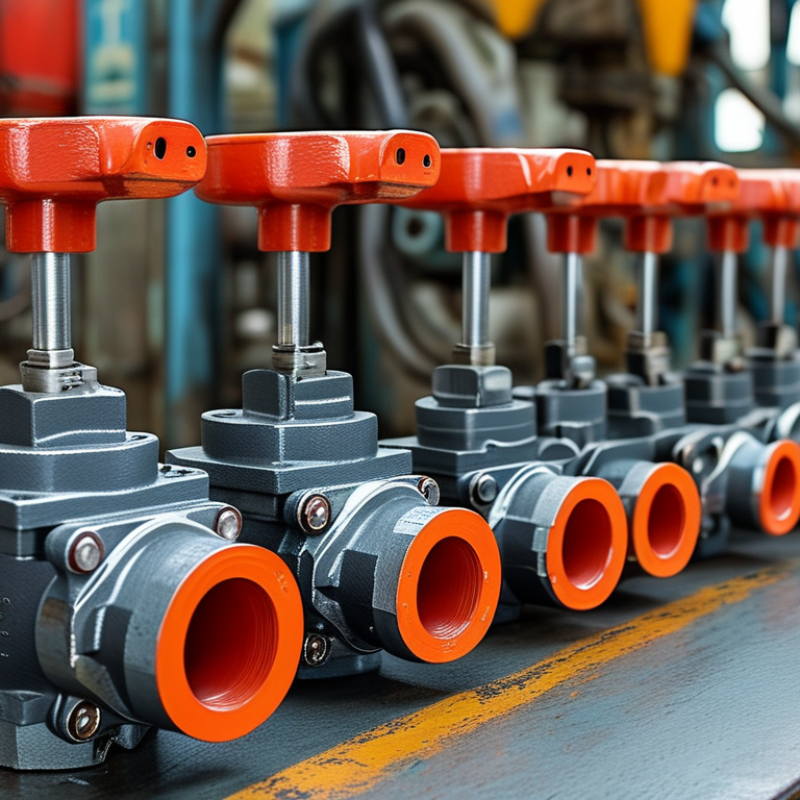
When selecting hydraulic pressure control valves, it’s crucial to understand their operational fundamentals. These valves regulate fluid pressure and flow within hydraulic systems. Effective pressure control is vital for system efficiency and longevity. According to industry reports, well-selected valves can enhance performance by up to 30%, significantly reducing operational costs.
Considering technical specifications is essential. Look for materials that suit your operating environment. For example, corrosion-resistant materials can prolong valve life in harsh conditions. Additionally, pay attention to valve sizes and compatibility with existing systems. Mismatched specifications often lead to inefficiencies and unexpected failures.
Tip 1: Always assess the pressure rating of the valve. It should match or exceed your system's requirements. Under-rated valves could lead to catastrophic failures.
Tip 2: Evaluate the response time of the valve. Faster response times can improve system responsiveness. Slow valves may cause delays in operational processes, leading to inefficiencies.
Understanding your system's specific needs helps in making informed choices. Continuous research and expert insights guide better decision-making. Don’t overlook the importance of consulting industry guidelines and data for informed selections.
Choosing hydraulic pressure control valves requires careful consideration of several key factors. The first element is pressure range. It’s crucial to select valves that accommodate the system’s maximum and minimum pressure requirements. If the valve cannot handle the pressure, it will fail. This can lead to costly repairs and downtime.
Flow capacity is another important factor. The valve must allow sufficient flow to maintain system efficiency. Assessing your application’s flow rate will provide clarity on the size and type of valve needed. Too small of a valve can restrict flow, while too large may lead to inefficient operation.
Material compatibility is often overlooked. The chosen valve material must withstand the fluid used in your system. Corrosion and wear can compromise performance. Regular evaluation of valve function is also essential. Maintenance records can reveal patterns of issues, allowing for timely replacements or adjustments. Remember, the best choice may not always be the most expensive option. Consider overall functionality and reliability in your decision-making process.
When it comes to hydraulic pressure control valves, understanding their types and applications is crucial for effective operation. Common types include pressure relief valves, pressure reducing valves, and sequence valves. Pressure relief valves prevent system overload by diverting excess liquid. They are essential in maintaining safety and efficiency. Pressure reducing valves ensure that the hydraulic system operates at the desired pressure. These valves are often used in applications where consistent pressure is necessary.
Sequence valves play a unique role in controlling the order of operations in a hydraulic system. They allow one operation to occur before another, enhancing productivity. Each valve type has specific applications across various industries. For instance, pressure relief valves are prevalent in manufacturing, while pressure reducing valves are widely used in construction machinery.
However, choosing the right valve can be challenging. Improper selection may lead to system failures. It's important to consider factors like fluid type, temperature, and system complexity. Ensure that the chosen valve aligns with the application's needs. Engaging with professional experts can greatly assist in this process. Although it may seem straightforward, small details can significantly impact performance. Regular reviews and adjustments help in refining your choice over time.
When evaluating hydraulic pressure control valves, specifications and performance ratings play a crucial role. Key specifications include pressure ratings, flow coefficients, and response times. Reports indicate that selecting the right pressure rating can impact system efficiency. For instance, a valve rated at 3500 PSI can handle demanding applications more reliably than one rated at 1500 PSI. Flow coefficients, expressed as Cv values, inform users about the flow capacity of the valve. A higher Cv means better flow performance, which is essential for high-demand systems.
Performance ratings should not be overlooked. They provide insight into how the valve operates under various conditions. According to industry studies, valves with high performance ratings often exhibit less wear and longer service life. For instance, valves made from specific alloys tend to resist corrosion and fatigue better than standard materials. However, it is vital to consider that some high-rated valves may require more precise installation and maintenance procedures. This can lead to increased operational complexity if not managed properly.
Choosing the right hydraulic valve often involves trade-offs. A valve optimized for flow might lack precision control. Alternatively, a highly precise valve might not perform as well at high flow rates. Reflecting on these trade-offs is essential to find balance. Ultimately, understanding specifications and performance ratings enables users to make informed decisions tailored to their specific applications.
Maintaining hydraulic pressure control valves is crucial for optimal performance. Regular inspections help identify wear and tear. Look for leaks, abnormal noises, or inconsistent pressure readings. These can indicate underlying issues that require attention.
Tips: Regularly clean the valves to remove debris. This prevents blockages that could hinder performance. Document any changes in pressure readings. This helps in diagnosing problems over time.
Troubleshooting involves systematic checks. If a valve fails to regulate properly, inspect the actuator. Sometimes, it can be misaligned or malfunctioning. Check the hydraulic fluid levels. Low fluid can affect valve response and lead to further issues.
Tips: Consider using a checklist for inspections. This makes it easier to track maintenance tasks. Review the manufacturer's guidelines for specific troubleshooting advice. Regular training can enhance staff understanding and capabilities in handling maintenance.
„Thanks to the LUVIR technology, the solder resist process could be switched directly from the previously used mask exposure to direct exposure. As an outstanding digital solution on the market, this technology has been able to demonstrate fast process times and superior quality on our certified conventional ink in production. This allowed us to fully digitize the solder mask process at low cost – without process or ink adjustments. An excellent benefit to our production in Rot am See.“
Ralf Göhringer (Head of Production WE Rot am See)
I would definitely recommend the Limata machine and team for a future company purchase
Michael Greenaway
Compunetics Inc.
“The Limata ldi has been amazing!! Best thing we did was buy this machine”
Richard Brady
GM
Circuitlabs
“Since 2019, we have been running the Limata X1000 LDI system (including LUVIR for solder mask imaging) in daily production as an addition to our current process with film. The machine was capable of properly exposing Taiyo PSR-4000 BN (DI) solder mask types on normal to high-copper boards using a new and unique direct imaging process. The machine operating interface is very user friendly which allowed for a quick technical training curve. The pre-registration processing reduced several seconds of production time at every print. Limata support and service staff is incomparable. They supported our team every step of the way at basically any time of the day or night, with literally, an immediate response time, customizing the software interface to best fit our Operations and needs.
We have exposed more than 8,000 prints since end of October, on various solder mask colors and some resist film panels. Limata, has proven to be very capable and innovative. They are a strong contender in the industry.
We have very much enjoyed this project, and working with the team!
Thank you Limata for the continued support and being a part of our growth.”
Bill Sezate
Vice President, GM
Summit Interconnect
As a replacement to our current contact exposure process with film, the LIMATA X2000 system including LUVIR-Technology was capable of properly exposing non-LDI solder mask types using a direct imaging process. The machine offers cutting edge software with a very intuitive operating interface which allowed for quick technician training curve. The dual drawer system combined with pre-registration processing reduced several seconds of production time at every machine cycle. Limata support and service staff is world class. They added software patches to keep production running at shortest possible response times, customized the software interface to best fit our in-house Operations system, and even wrote a step-by-step machine processing manual. As a result of the project, we have exposed more than 16,000 times on various product types and solder mask brands/colors. Limata, in a very short timeframe as a company, has definitely shown they are truly innovative and will be challenging the industry of direct imaging for the top spot.
Kevin Beattie
Process Engineer
TTM Technologies
Forest Grove Division
