Choosing the right Industrial Touch Monitor can significantly impact productivity and user experience in various industries. According to Dr. Emily Chen, an expert in industrial technology, "The right touch monitor can streamline operations and reduce errors." Her insights remind us of the importance of making informed choices.
When selecting an Industrial Touch Monitor, understanding specific needs is crucial. Factors like screen size, durability, and interface type play a vital role. A powerful monitor can withstand harsh environments, but it should also be user-friendly. Companies must evaluate how these monitors will integrate into their existing systems.
It's easy to overlook the subtle differences among models. Not all touch technologies are the same; some may be more responsive than others. Furthermore, considering the long-term support and warranty options is essential for investment longevity. Failing to recognize these aspects can lead to unexpected challenges.
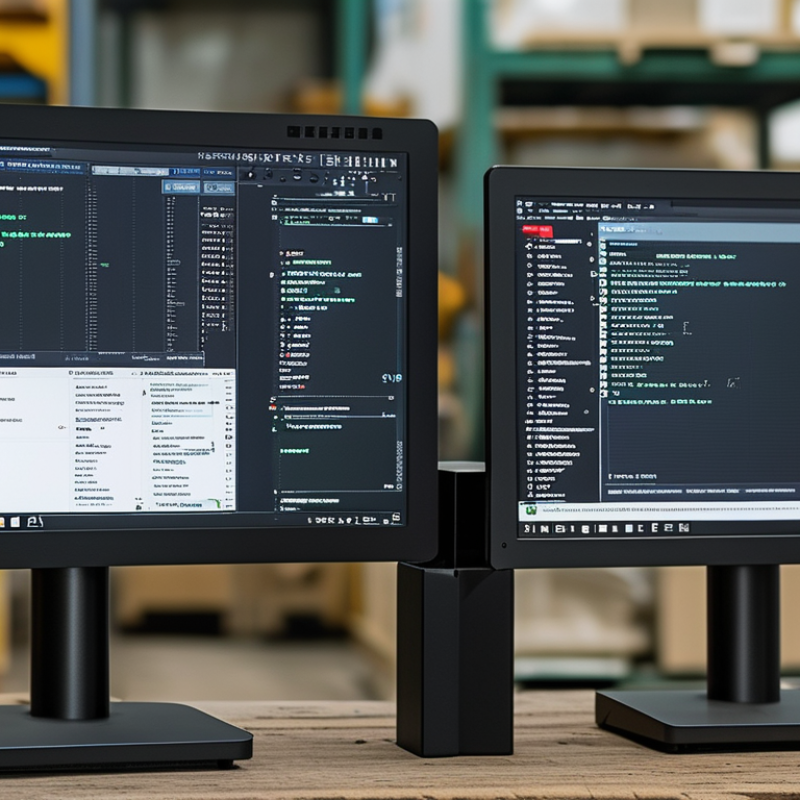
Industrial touch monitors are essential in various sectors, including manufacturing, automation, and logistics. They enhance user interaction by allowing direct control through touch. These monitors come with numerous features designed to withstand harsh environments. They often have rugged casings, high durability, and resistance to dust and moisture.
Understanding the applications of industrial touch monitors can help in selecting the right one. These devices typically support multi-touch functionality. This makes them ideal for complex operations, such as controlling machinery or monitoring production lines. The size and resolution of the monitors are crucial for visibility and ease of use.
However, not every touch monitor fits all needs. It’s vital to consider specific operational requirements. Factors such as temperature range and compatibility with existing systems should be evaluated. Even the best monitors may not perform well if improperly integrated. Reflecting on these aspects ensures a more informed decision.
| Criteria | Description | Recommendation |
|---|---|---|
| Screen Size | Choose a size that fits your workspace. | 17" to 24" for most applications. |
| Resolution | Higher resolutions provide better clarity. | 1920x1080 (Full HD) or higher. |
| Touch Technology | Different technologies offer various responsiveness. | Capacitive for sensitivity, resistive for durability. |
| Environmental Resistance | Consider exposure to dust, water, and temperature. | IP65 or higher rating recommended. |
| Connectivity | Ensure compatibility with existing systems. | USB, HDMI, and Ethernet ports preferred. |
| Durability | Industrial environments require robust devices. | Choose monitors with reinforced glass and metal casing. |
| Cost | Balance features with budget constraints. | Evaluate total cost of ownership, not just purchase price. |
When selecting an industrial touch monitor, several key features must be considered. One critical factor is durability. A robust monitor should withstand harsh environments. Reports suggest that over 40% of industrial equipment failures occur due to environmental stressors. Monitors with IP65 ratings or higher offer essential protection against dust and moisture. This is vital in settings like factories or food processing plants.
Another essential aspect is screen size and resolution. A study indicates that touch monitors with higher resolutions can improve productivity by 30% in warehouse operations. Clear visuals enhance user interaction and reduce errors. Choosing a display that is at least 10 inches can significantly improve ease of use. Additionally, consider the touch technology; resistive and capacitive technologies serve different purposes.
Finally, connectivity options should not be overlooked. A versatile monitor with multiple ports accommodates various devices. Experts recommend choosing monitors that support Ethernet and USB connections for seamless integration. However, many overlook this aspect, leading to compatibility issues later. Reflecting on these features can greatly improve the selection process for an industrial touch monitor.
When selecting an industrial touch monitor, it’s crucial to understand the different touchscreen technologies available. Capacitive touchscreens are known for their high sensitivity and multi-touch capabilities. They work well in environments where users wear gloves or need to operate the screen quickly.
On the other hand, resistive touchscreens are more durable and cost-effective. They respond to pressure, allowing users to interact without worrying about accidental touches. This type might be more suitable for rugged industrial settings. However, the response time can sometimes feel sluggish compared to capacitive screens.
Finally, consider optical touch technology, which uses light sensors for touch detection. This option offers a large display area and is great in bright environments. Yet, it can be susceptible to dirt and glare, affecting user experience. Each technology has its pros and cons, and reflecting on your specific use case will guide the best choice.
When selecting an industrial touch monitor, durability is a key consideration. These monitors face harsh conditions, including dust, moisture, and temperature extremes. A robust casing is essential to protect internal components. Look for monitors with an IP-rated enclosure. An IP65 or better rating indicates strong resistance to dust and water. This is crucial in factories or outdoor environments.
Environmental resistance is equally important. Monitors must withstand temperature fluctuations. Some environments may experience severe cold or heat. Choosing a monitor with a wide operating temperature range is vital. Consider this in applications like food processing or oil refining. Additionally, the screen should resist scratches and chemicals commonly found in industrial settings. Look for tempered glass displays to ensure clarity and longevity.
It's also worth noting that while durability is crucial, user experience cannot be overlooked. Touch sensitivity can degrade in challenging conditions. This presents a concern when relying on touch for operation. Balancing durability with functionality is necessary. Manufacturers often prioritize one at the expense of the other, leading to potential issues. Being aware of these trade-offs can guide your decision-making.
When selecting an industrial touch monitor, assessing compatibility and connectivity is crucial. Many monitors offer various connection options, such as HDMI, DisplayPort, and USB. Verify that the chosen monitor can seamlessly integrate with your existing systems. Incompatibility can lead to frustration and costly downtime.
Consider the environment where the monitor will be used. Some industrial settings may require specific connectivity options to withstand harsh conditions. For example, ruggedized connectors can provide additional durability. It’s also worth noting that wireless connectivity may enhance flexibility. However, it can be less reliable in certain situations.
Another aspect to explore is the operating system compatibility. Some touch monitors work better with specific operating systems. This compatibility can impact functionality and user experience. Having compatibility issues can result in unexpected challenges. Always verify system requirements before making a choice. The wrong monitor can hinder productivity.
„Thanks to the LUVIR technology, the solder resist process could be switched directly from the previously used mask exposure to direct exposure. As an outstanding digital solution on the market, this technology has been able to demonstrate fast process times and superior quality on our certified conventional ink in production. This allowed us to fully digitize the solder mask process at low cost – without process or ink adjustments. An excellent benefit to our production in Rot am See.“
Ralf Göhringer (Head of Production WE Rot am See)
I would definitely recommend the Limata machine and team for a future company purchase
Michael Greenaway
Compunetics Inc.
“The Limata ldi has been amazing!! Best thing we did was buy this machine”
Richard Brady
GM
Circuitlabs
“Since 2019, we have been running the Limata X1000 LDI system (including LUVIR for solder mask imaging) in daily production as an addition to our current process with film. The machine was capable of properly exposing Taiyo PSR-4000 BN (DI) solder mask types on normal to high-copper boards using a new and unique direct imaging process. The machine operating interface is very user friendly which allowed for a quick technical training curve. The pre-registration processing reduced several seconds of production time at every print. Limata support and service staff is incomparable. They supported our team every step of the way at basically any time of the day or night, with literally, an immediate response time, customizing the software interface to best fit our Operations and needs.
We have exposed more than 8,000 prints since end of October, on various solder mask colors and some resist film panels. Limata, has proven to be very capable and innovative. They are a strong contender in the industry.
We have very much enjoyed this project, and working with the team!
Thank you Limata for the continued support and being a part of our growth.”
Bill Sezate
Vice President, GM
Summit Interconnect
As a replacement to our current contact exposure process with film, the LIMATA X2000 system including LUVIR-Technology was capable of properly exposing non-LDI solder mask types using a direct imaging process. The machine offers cutting edge software with a very intuitive operating interface which allowed for quick technician training curve. The dual drawer system combined with pre-registration processing reduced several seconds of production time at every machine cycle. Limata support and service staff is world class. They added software patches to keep production running at shortest possible response times, customized the software interface to best fit our in-house Operations system, and even wrote a step-by-step machine processing manual. As a result of the project, we have exposed more than 16,000 times on various product types and solder mask brands/colors. Limata, in a very short timeframe as a company, has definitely shown they are truly innovative and will be challenging the industry of direct imaging for the top spot.
Kevin Beattie
Process Engineer
TTM Technologies
Forest Grove Division
