Selecting the right Calendering Machine is crucial for optimal production. According to industry expert Dr. Emily Carter, “A calendering machine can make or break your manufacturing process.” Her insight underscores the importance of thorough consideration before purchasing.
When choosing a calendering machine, various factors come into play. Machine specifications, material compatibility, and the intended end use are all essential. Ensure the machine aligns with your production goals. Gaps in understanding these factors can lead to operational inefficiencies.
Moreover, it's vital to assess the machine's reliability and support services. A poorly chosen calendering machine may result in costly downtime. Researching different models and seeking expert advice can mitigate risks. The right choice can enhance product quality and efficiency, making your investment worthwhile.
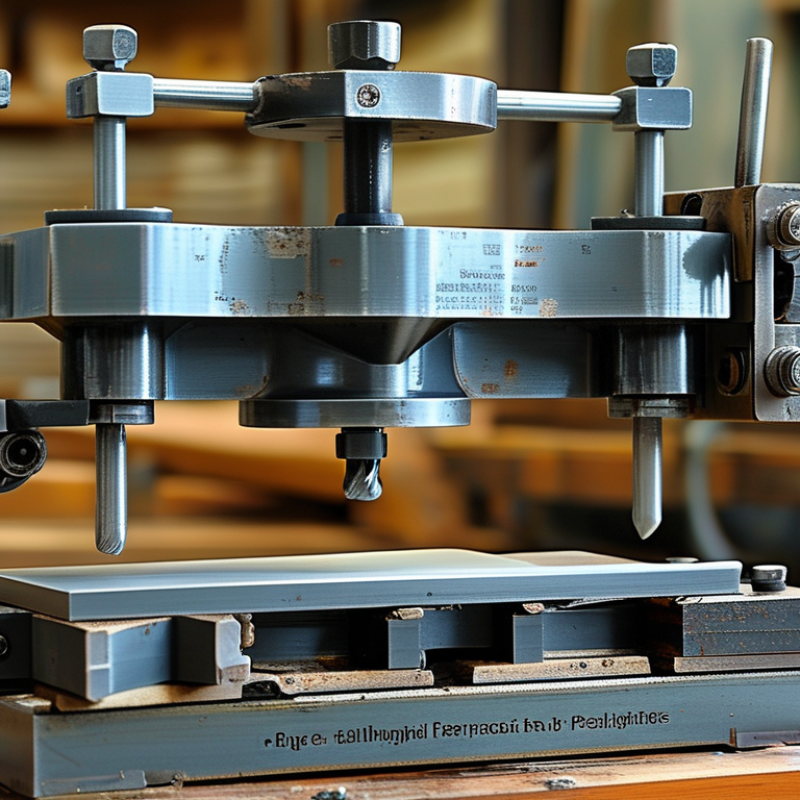
Calendering machines play a vital role in manufacturing industries. They can produce high-quality sheets and films from various materials. Understanding the different types of calendering machines is essential. Common categories include three-roll, four-roll, and multi-roll machines, each tailored for specific applications. For instance, the three-roll calender is ideal for producing thin films, while the four-roll machine handles thicker materials and enhances uniformity.
When selecting a calendering machine, consider the material you will process. Different materials require different settings and equipment. Do thorough research on machinery capabilities. Before making any decision, assess your production needs. Analyze the desired thickness and quality of the end product. This can significantly influence your choice of machine.
Tips for choosing the right machine include examining production volume. A machine designed for low volume may result in inefficiency for high-demand operations. Review maintenance requirements to avoid unexpected downtime. Lastly, consult experts to gain insights into the latest technologies in calendering. Their knowledge can help you navigate the complexities of this decision.
| Machine Type | Applications | Key Features | Capacity (kg/h) | Average Price ($) |
|---|---|---|---|---|
| Two-Roller Calender | Rubber, plastics | High shearing force, easy operation | 200 | 25,000 |
| Four-Roller Calender | Textiles, paper | Uniform thickness, high efficiency | 150 | 30,000 |
| Three-Roller Calender | Plastics, adhesive films | Compact design, optimized production | 175 | 28,000 |
| Calendering Line | Composite materials, battery separators | Fully automated, multi-layer processing | 300 | 60,000 |
Selecting the right calendering machine requires a strategic approach. One of the key factors is the machine's capacity. Reports suggest that machines with higher capacity improve production efficiency by up to 30%. Understanding your production demands will help in this regard.
Another crucial consideration is the roll design. Different roll configurations impact material processing. A study from the American Society of Mechanical Engineers indicated that optimized roll arrangements can increase product uniformity. This results in better final product quality.
[图片] Energy consumption is also vital. Modern calendering machines can reduce energy usage by 25% when compared to older models. Selecting an energy-efficient machine not only lowers costs but also supports sustainable manufacturing practices. However, it’s worth noting that achieving the right balance of features may take trial and error. Each factory has unique needs, and oversights here can lead to operational inefficiencies. Careful evaluation is necessary.
When evaluating calendering machine performance, several key metrics come into play. Focus on factors like throughput, energy efficiency, and product quality. Throughput determines how much material the machine can process in a given time. A higher throughput generally means better productivity, but it must not compromise quality.
Energy efficiency is equally crucial. Machines that consume less energy help reduce operational costs. However, achieving optimal energy use can be a balancing act. Sometimes, machines that offer excellent energy savings may lag in speed or versatility. Reflecting on this trade-off is essential in decision-making.
Product quality is perhaps the most subjective aspect. It involves not only the texture and finish but also the consistency across batches. Variability can signal a need for adjustment or maintenance. Machines that provide consistent results often gain the trust of manufacturers, yet achieving this level of performance can require ongoing evaluation and fine-tuning.
Maintaining a calendering machine is crucial for its longevity. Regular upkeep ensures optimal performance and minimizes downtime. Neglecting maintenance can lead to costly repairs and inefficiencies.
One essential tip is to conduct routine inspections. Check for wear and tear on rollers and other components. Regular lubrication is also key; friction can lead to overheating. Make sure to clean the machinery to prevent dust and debris buildup.
Don't overlook the importance of operator training. Proper training reduces the risk of operational errors. This can extend the machine's life significantly. Document any maintenance activities and track performance to identify patterns. This data can provide insights for future improvements.
Reflecting on these details can lead to better operational decisions. Consistent maintenance practices not only enhance productivity but also foster a safer working environment. A well-maintained calendering machine is an investment worth making.
When budgeting for calendering machines, understanding the cost landscape is crucial. Initial costs can vary widely. Factors such as machine size, features, and capacity impact the overall price. A basic model may start at a lower price point, but upgraded features can escalate costs rapidly. It is essential to weigh the long-term benefits against upfront expenses.
Maintenance is often overlooked in budgeting. Regular upkeep adds to operating costs. It’s not uncommon for businesses to underestimate these expenses. A well-maintained machine can improve efficiency but requires a budget for repairs and services. Consider potential downtime too; it can eat into profits if not accounted for.
Evaluating the total cost of ownership is vital. This includes purchase price, maintenance, and operational efficiency. Some machines may seem cheaper initially but incur higher costs over time. Take time to reflect on how this could align with your production needs and budget constraints. Understanding the balance between cost and performance will ultimately lead to better financial decisions in the long run.
„Thanks to the LUVIR technology, the solder resist process could be switched directly from the previously used mask exposure to direct exposure. As an outstanding digital solution on the market, this technology has been able to demonstrate fast process times and superior quality on our certified conventional ink in production. This allowed us to fully digitize the solder mask process at low cost – without process or ink adjustments. An excellent benefit to our production in Rot am See.“
Ralf Göhringer (Head of Production WE Rot am See)
I would definitely recommend the Limata machine and team for a future company purchase
Michael Greenaway
Compunetics Inc.
“The Limata ldi has been amazing!! Best thing we did was buy this machine”
Richard Brady
GM
Circuitlabs
“Since 2019, we have been running the Limata X1000 LDI system (including LUVIR for solder mask imaging) in daily production as an addition to our current process with film. The machine was capable of properly exposing Taiyo PSR-4000 BN (DI) solder mask types on normal to high-copper boards using a new and unique direct imaging process. The machine operating interface is very user friendly which allowed for a quick technical training curve. The pre-registration processing reduced several seconds of production time at every print. Limata support and service staff is incomparable. They supported our team every step of the way at basically any time of the day or night, with literally, an immediate response time, customizing the software interface to best fit our Operations and needs.
We have exposed more than 8,000 prints since end of October, on various solder mask colors and some resist film panels. Limata, has proven to be very capable and innovative. They are a strong contender in the industry.
We have very much enjoyed this project, and working with the team!
Thank you Limata for the continued support and being a part of our growth.”
Bill Sezate
Vice President, GM
Summit Interconnect
As a replacement to our current contact exposure process with film, the LIMATA X2000 system including LUVIR-Technology was capable of properly exposing non-LDI solder mask types using a direct imaging process. The machine offers cutting edge software with a very intuitive operating interface which allowed for quick technician training curve. The dual drawer system combined with pre-registration processing reduced several seconds of production time at every machine cycle. Limata support and service staff is world class. They added software patches to keep production running at shortest possible response times, customized the software interface to best fit our in-house Operations system, and even wrote a step-by-step machine processing manual. As a result of the project, we have exposed more than 16,000 times on various product types and solder mask brands/colors. Limata, in a very short timeframe as a company, has definitely shown they are truly innovative and will be challenging the industry of direct imaging for the top spot.
Kevin Beattie
Process Engineer
TTM Technologies
Forest Grove Division
