The Titanium Spoon has gained traction among consumers seeking durable and lightweight utensils. In the culinary world, titanium is recognized for its unique properties, such as resistance to corrosion and excellent strength-to-weight ratio. According to a report by Grand View Research, the titanium market is projected to reach over $6 billion by 2025, underscoring its rising popularity in various applications.
Many buyers appreciate the Titanium Spoon for its hypoallergenic nature. Unlike stainless steel, it does not react with food, ensuring a safe dining experience. Additionally, the spoon's resistance to scratching makes it a favorite for outdoor enthusiasts and travelers. As lifestyle choices shift toward eco-friendly and sustainable products, the Titanium Spoon emerges as a preferred choice.
Despite its advantages, it’s essential to acknowledge that not all titanium products meet the same quality standards. Some cheaper versions may lack the durability that consumers expect. When selecting a Titanium Spoon, buyers should consider factors like construction methods and reviews from reputable sources. This scrutiny ensures they invest in a product that meets their needs while promoting a healthier lifestyle.
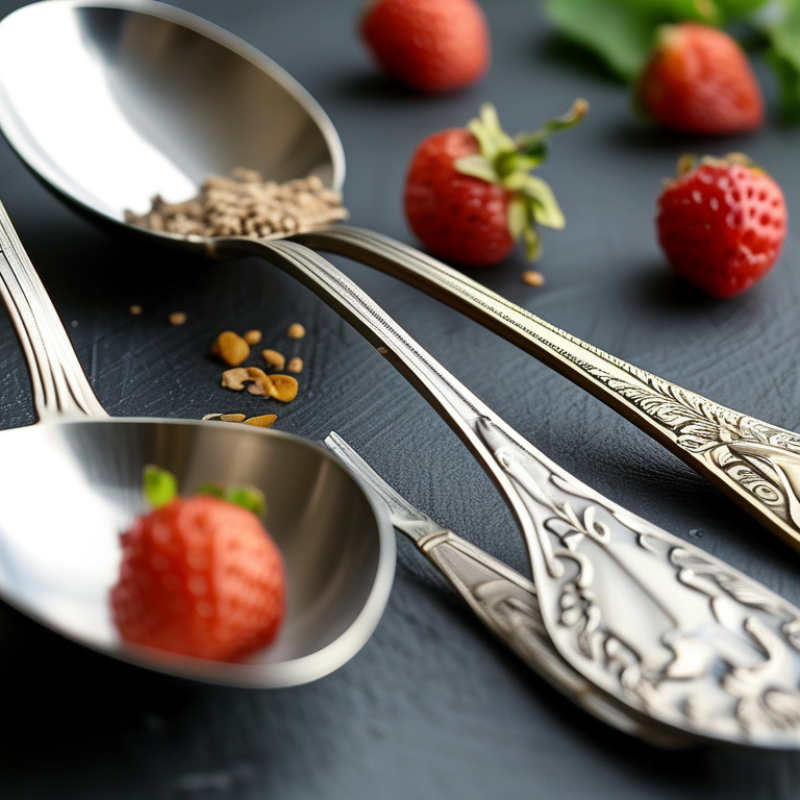
A titanium spoon is an emerging favorite among kitchenware, gaining traction for its unique properties. These spoons are made of titanium, a metal known for its strength and lightweight nature. Unlike traditional utensils, titanium spoons resist corrosion and do not react with food. This quality makes them suitable for various culinary tasks. They are durable and can withstand high temperatures, appealing to outdoor enthusiasts and chefs alike.
The composition of a titanium spoon typically includes pure titanium or titanium alloys. These materials enhance the spoon's strength while keeping it light. The manufacturing process often involves precision techniques to ensure a smooth finish. The sleek design adds to its aesthetic value, making it a stylish addition to any dining table. Even though titanium isn't as common as stainless steel or plastic, it offers benefits that can outweigh existing options.
Despite the advantages, some may find the cost of titanium spoons a bit high. This price point can lead to hesitation in purchasing. Consumers must consider whether the long-lasting nature justifies the expense. While titanium spoons boast practical benefits, individual preferences vary widely. Exploring user experiences can provide insight into making a well-informed choice.
Titanium spoons have gained traction in the market due to unique benefits tied to their material properties. As a lightweight metal, titanium is known for its strength and durability. Reports indicate that titanium is 45% lighter than stainless steel, making it an appealing choice for consumers seeking portability in their utensils. This feature is particularly attractive for outdoor enthusiasts or those looking for easy-to-carry kitchenware.
Another advantage of titanium is its resistance to corrosion. Unlike traditional metal spoons, titanium spoons won't rust or tarnish, even after prolonged exposure to moisture. Research shows that titanium has an oxidation resistance that is higher than stainless steel, ensuring longevity in various conditions. Moreover, titanium spoons are hypoallergenic. This characteristic makes them suitable for sensitive individuals, a factor often overlooked in utensil choices.
However, titanium spoons can be more expensive than their stainless steel counterparts. This price disparity may deter some buyers. Additionally, while titanium offers many benefits, it lacks the thermal conductivity found in metals like copper. This could impact food preparation scenarios where heat retention is needed. Overall, the growing popularity of titanium spoons highlights the need for continuous evaluation of material advantages versus potential shortcomings.
Titanium spoons have captured the attention of many consumers lately. The growing popularity is driven by their unique properties. Titanium is lightweight, durable, and resistant to corrosion. These characteristics make it appealing for outdoor enthusiasts and everyday users alike. As people become more health-conscious, titanium's non-reactive nature is a key selling point. It does not leach harmful chemicals into food, making it safer compared to traditional materials.
For those looking to purchase a titanium spoon, consider the design and practicality. Choose a style that fits your preferences, whether for camping or cooking at home. Pay attention to the weight and size to ensure it suits your needs. Many buyers appreciate a spoon that combines functionality with aesthetics. A good titanium spoon should feel comfortable in your hand.
Even with all the advantages, some might find titanium spoons costly. It's essential to weigh the benefits against your budget. Reflect on how often you will use the spoon to justify the investment. It's not just a trendy gadget but a long-term addition to your kitchenware. As you explore options, look for reviews and testimonials. This will provide insights on performance and satisfaction among users.
Titanium spoons have gained traction among consumers due to their unique advantages. Unlike stainless steel, titanium is lighter and offers excellent resistance to corrosion. A study by the Journal of Food Science highlighted that titanium spoons do not react with acidic foods, ensuring that flavors remain unaltered. This is particularly important for culinary enthusiasts who value the integrity of their dishes.
Comparative analyses reveal that while plastic spoons may be cheaper, they lack durability and can warp over time. In contrast, titanium spoons boast an impressive lifespan, lasting decades with proper care. The average consumer may overlook the initial investment, yet the long-term cost-effectiveness is supported by industry research. Reports indicate that titanium utensils can come with a higher price tag, but they are deemed a worthy investment due to their robustness.
Environmental concerns are on the rise, and titanium is known for its low environmental impact. It is recyclable and does not leach harmful chemicals, unlike some plastic alternatives. Consumers are drawn to sustainable choices. However, it's crucial to reflect on whether the benefits of titanium justify the cost for every individual. Not everyone may prioritize these factors equally, sparking debate over material selection in everyday utensils.
| Material | Weight (grams) | Durability | Corrosion Resistance | Price Range (USD) |
|---|---|---|---|---|
| Titanium | 40 | High | Excellent | 15 - 30 |
| Stainless Steel | 60 | Medium | Good | 5 - 15 |
| Plastic | 20 | Low | Poor | 1 - 5 |
| Bamboo | 30 | Medium | Fair | 3 - 10 |
Titanium spoons have gained a reputation in culinary circles for their durability and lightweight nature. Many buyers appreciate their resistance to corrosion and staining. Unlike traditional metal utensils, titanium is hypoallergenic, making it suitable for those with metal sensitivities. Such attributes often justify the higher cost of these utensils. Investing in a titanium spoon means opting for a tool that can last for years, if not decades.
To make the most of your titanium spoon, consider using it for various cooking tasks. Whether you’re mixing batter or serving soups, titanium's resilience shines through. It won’t scratch non-stick cookware, which prolongs the life of your kitchen tools. Regularly cleaning your spoon can prevent food from building up, keeping it looking new.
Another consideration is the environmental impact. While titanium is energy-intensive to produce, its longevity offsets this concern. Choosing a titanium spoon can eliminate the need for frequent replacements. This not only saves money over time but also reduces waste. Investing in quality tools promotes sustainable practices in an often disposable culture.
Titanium spoons are increasingly popular due to a variety of factors that enhance their value for buyers. This chart illustrates the importance levels of different features such as durability, weight, corrosion resistance, heat conductivity, and cost. These factors contribute to why titanium spoons are considered a worthwhile investment.
„Thanks to the LUVIR technology, the solder resist process could be switched directly from the previously used mask exposure to direct exposure. As an outstanding digital solution on the market, this technology has been able to demonstrate fast process times and superior quality on our certified conventional ink in production. This allowed us to fully digitize the solder mask process at low cost – without process or ink adjustments. An excellent benefit to our production in Rot am See.“
Ralf Göhringer (Head of Production WE Rot am See)
I would definitely recommend the Limata machine and team for a future company purchase
Michael Greenaway
Compunetics Inc.
“The Limata ldi has been amazing!! Best thing we did was buy this machine”
Richard Brady
GM
Circuitlabs
“Since 2019, we have been running the Limata X1000 LDI system (including LUVIR for solder mask imaging) in daily production as an addition to our current process with film. The machine was capable of properly exposing Taiyo PSR-4000 BN (DI) solder mask types on normal to high-copper boards using a new and unique direct imaging process. The machine operating interface is very user friendly which allowed for a quick technical training curve. The pre-registration processing reduced several seconds of production time at every print. Limata support and service staff is incomparable. They supported our team every step of the way at basically any time of the day or night, with literally, an immediate response time, customizing the software interface to best fit our Operations and needs.
We have exposed more than 8,000 prints since end of October, on various solder mask colors and some resist film panels. Limata, has proven to be very capable and innovative. They are a strong contender in the industry.
We have very much enjoyed this project, and working with the team!
Thank you Limata for the continued support and being a part of our growth.”
Bill Sezate
Vice President, GM
Summit Interconnect
As a replacement to our current contact exposure process with film, the LIMATA X2000 system including LUVIR-Technology was capable of properly exposing non-LDI solder mask types using a direct imaging process. The machine offers cutting edge software with a very intuitive operating interface which allowed for quick technician training curve. The dual drawer system combined with pre-registration processing reduced several seconds of production time at every machine cycle. Limata support and service staff is world class. They added software patches to keep production running at shortest possible response times, customized the software interface to best fit our in-house Operations system, and even wrote a step-by-step machine processing manual. As a result of the project, we have exposed more than 16,000 times on various product types and solder mask brands/colors. Limata, in a very short timeframe as a company, has definitely shown they are truly innovative and will be challenging the industry of direct imaging for the top spot.
Kevin Beattie
Process Engineer
TTM Technologies
Forest Grove Division
