Vane Pump technology remains important in mobile hydraulics, industrial machinery, automotive systems, and aerospace equipment. Its compact design, steady flow, and strong low-speed performance suit demanding applications. Yet selection is rarely simple. Noise, leakage, pressure stability, service life, and fluid compatibility can change the final decision.
MarketsandMarkets reported that the global hydraulic pumps market was valued at approximately USD 10.5 billion in 2023. The same report projects growth to nearly USD 13.6 billion by 2028. Grand View Research also identifies industrial automation, construction equipment, and energy infrastructure as major demand drivers. These figures describe hydraulic pumps broadly, not vane pumps alone. That distinction matters.
Hydraulic systems expert Dr. John Watton emphasizes, “A hydraulic system must be designed as an integrated whole.” His principle applies directly here. A high-efficiency pump may still disappoint if the motor, filtration system, reservoir, or control valve is poorly matched. Small details matter. A contaminated fluid stream can damage vanes quickly. Excessive shaft speed can create heat and shorten operating life.
This guide examines the Top 10 Vane Pump Manufacturers Worldwide through practical criteria. These include product range, pressure capability, efficiency, customization, testing, global support, and replacement-part availability. Manufacturer rankings are not absolute. Regional service quality can outweigh brand reputation. Some published market estimates also differ because companies report product categories differently. Readers should verify technical claims against current datasheets, certifications, and application requirements before purchasing.
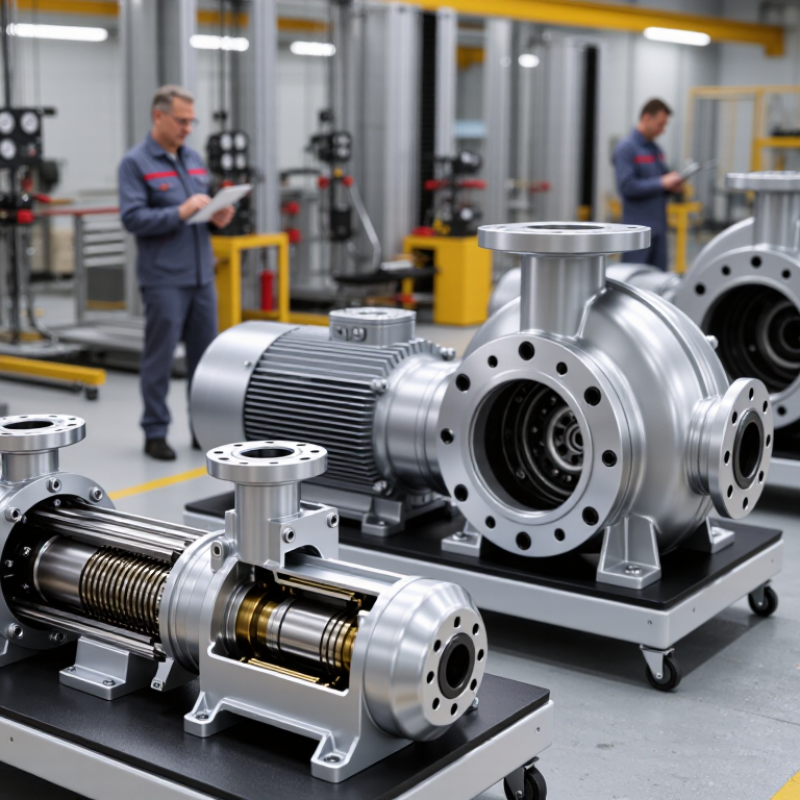
Vane pumps are positive-displacement machines that move fluid through expanding and shrinking chambers. A rotor sits off-center inside a cam ring or housing. Sliding vanes extend from rotor slots and follow the inner surface. As the rotor turns, inlet chambers expand and draw fluid inward. Outlet chambers contract and force fluid into the system. Simple geometry drives the process.
Common designs include balanced, unbalanced, fixed-displacement, and variable-displacement models. Balanced designs reduce radial loading on the shaft and bearings. Variable designs adjust flow by changing rotor eccentricity. Proper lubrication remains essential because vane tips depend on a controlled fluid film. Excessive clearance lowers volumetric efficiency. Contamination can damage surfaces quickly. It is an overlooked weakness.
The U.S. Department of Energy reports that pumping systems may consume 20–25% of industrial electricity. This figure covers pumping systems broadly, not vane pumps alone. Therefore, efficiency claims require careful testing.
ISO 4409 provides methods for measuring displacement, volumetric efficiency, and mechanical efficiency in hydraulic pumps. Engineers should compare results at defined pressure, speed, temperature, and fluid viscosity. Field experience also matters. A pump that performs well in a laboratory may struggle with cold starts, abrasive particles, or unstable suction conditions. Selective testing is wiser than trusting a catalogue value.
Ranking global vane pump manufacturers requires more than counting production volume. Engineering consistency should carry greater weight. A reliable manufacturer explains pressure ratings, flow tolerances, temperature limits, and recommended fluids clearly. Its technical documents should match real testing data. In demanding systems, small errors can create noise, heat, and premature wear.
Material selection is another critical measure. Hardened surfaces, balanced rotors, accurate clearances, and contamination control affect service life. Serious manufacturers use traceable materials and documented inspection stages. Their test benches should verify leakage, pressure stability, efficiency, and vibration under realistic loads. A pump that performs at room temperature may struggle beside a hot hydraulic reservoir.
Field experience also matters. Ranking should consider installation guidance, spare-part availability, repair training, and response times. Engineers should examine evidence from mining, manufacturing, mobile equipment, and other harsh applications. Certification can support credibility, but paperwork alone proves little. Independent audits, warranty records, and transparent failure reporting provide stronger evidence.
No ranking is perfectly objective. Cost often receives too much attention. A cheaper pump may demand more shutdowns and energy over its lifetime. I would compare total ownership cost instead. The comparison should include maintenance intervals, efficiency loss, replacement labor, and downtime. Even experienced reviewers can miss application differences. A compact pump for clean oil should not be judged like a heavy-duty unit facing dust, heat, and pressure spikes.
The top 10 vane pump manufacturers are best compared through technology and market reach, not name recognition alone. Leading producers typically offer fixed and variable displacement designs for mobile equipment, industrial hydraulics, and fluid transfer systems. Their engineering strength appears in pressure stability, low noise, efficient sealing, and dependable performance under changing loads. Small details matter. Port geometry, rotor balance, and contamination control can determine service life.
Technology separates established manufacturers from simple volume suppliers. Advanced designs may include balanced cartridges, improved wear plates, pressure-compensated controls, and materials suited to heat or chemical exposure. During equipment evaluations, technicians should inspect test records, vibration data, and cold-start behavior. A pump that performs well in a clean laboratory may struggle beside a dusty construction site. That gap is often overlooked.
Market reach also reflects technical maturity. Strong suppliers maintain regional service teams, spare-parts access, training programs, and documented installation procedures. They support both standard models and carefully engineered replacements. However, rankings can become misleading when shipment volume replaces product evidence. A large distributor network does not guarantee better efficiency. I have found that application support sometimes matters more than catalog depth. Buyers should compare verified operating ranges, warranty conditions, repair response times, and lifecycle costs. No manufacturer fits every duty. The final choice still depends on pressure, speed, fluid cleanliness, temperature, and available maintenance skills.
Typical maximum operating pressure by vane pump technology
Balanced and variable-displacement vane pumps are widely used in industrial automation, mobile hydraulics, machine tools, and process equipment. The pressure figures represent typical engineering ranges rather than limits for a specific manufacturer; actual performance depends on fluid type, speed, temperature, displacement, and system design.
A serious comparison of the world’s leading vane pump manufacturers should examine more than sales volume. Their product portfolios usually include fixed-displacement pumps, variable-displacement units, cartridge kits, replacement parts, and integrated hydraulic assemblies. Some manufacturers focus on compact pumps for forklifts, agricultural equipment, and mobile machinery. Others develop high-pressure systems for factory automation, plastics processing, marine equipment, and energy facilities. Product range matters because a pump must match flow demand, pressure cycles, fluid temperature, and installation space.
Global capability is equally important. Strong manufacturers operate regional engineering centers, automated production lines, inspection laboratories, and service networks. They often provide application testing, digital configuration tools, technical documentation, and local spare-parts support. Traceable materials and repeatable testing can reveal problems before a pump reaches a customer. Field engineers also help reduce noise, leakage, heat, and premature wear.
Still, manufacturer claims deserve careful review. A broad catalog does not guarantee equal quality across every model. Some suppliers have excellent testing but limited regional support. Others deliver fast parts but weaker customization. Real purchasing decisions should compare pressure ratings, efficiency data, warranty terms, repair training, and delivery performance. I have found that installation conditions often expose weaknesses hidden in laboratory figures. That detail is easy to overlook.
Comparing the top 10 vane pump manufacturers requires more than checking production volume. Performance comes first. Examine pressure stability, flow accuracy, operating temperature, and fluid compatibility. Request documented test results under conditions similar to your application. A reliable manufacturer should explain tolerances, material choices, service intervals, and expected operating life. In field evaluations, contamination resistance often separates a dependable pump from an impressive catalogue product.
Tips: Prepare a simple comparison sheet. Record displacement, rated pressure, speed range, noise level, warranty terms, and delivery time. Ask whether replacement parts remain available after several years. Confirm factory inspection procedures and technical support response times. A low purchase price may become expensive when seals, downtime, or poor commissioning are included.
Experience also shows that communication deserves a clear score. Can the engineering team review your circuit, viscosity range, and installation space? Will they provide drawings, test certificates, and troubleshooting guidance? Independent certifications can support credibility, but they should not replace application testing. A spreadsheet may look convincing, yet it can hide uncertain data. Some comparisons also overlook regional service capacity. That mistake is common. Request a sample pump, verify actual operating noise, and inspect documentation before approving a long-term supply agreement.
„Thanks to the LUVIR technology, the solder resist process could be switched directly from the previously used mask exposure to direct exposure. As an outstanding digital solution on the market, this technology has been able to demonstrate fast process times and superior quality on our certified conventional ink in production. This allowed us to fully digitize the solder mask process at low cost – without process or ink adjustments. An excellent benefit to our production in Rot am See.“
Ralf Göhringer (Head of Production WE Rot am See)
I would definitely recommend the Limata machine and team for a future company purchase
Michael Greenaway
Compunetics Inc.
“The Limata ldi has been amazing!! Best thing we did was buy this machine”
Richard Brady
GM
Circuitlabs
“Since 2019, we have been running the Limata X1000 LDI system (including LUVIR for solder mask imaging) in daily production as an addition to our current process with film. The machine was capable of properly exposing Taiyo PSR-4000 BN (DI) solder mask types on normal to high-copper boards using a new and unique direct imaging process. The machine operating interface is very user friendly which allowed for a quick technical training curve. The pre-registration processing reduced several seconds of production time at every print. Limata support and service staff is incomparable. They supported our team every step of the way at basically any time of the day or night, with literally, an immediate response time, customizing the software interface to best fit our Operations and needs.
We have exposed more than 8,000 prints since end of October, on various solder mask colors and some resist film panels. Limata, has proven to be very capable and innovative. They are a strong contender in the industry.
We have very much enjoyed this project, and working with the team!
Thank you Limata for the continued support and being a part of our growth.”
Bill Sezate
Vice President, GM
Summit Interconnect
As a replacement to our current contact exposure process with film, the LIMATA X2000 system including LUVIR-Technology was capable of properly exposing non-LDI solder mask types using a direct imaging process. The machine offers cutting edge software with a very intuitive operating interface which allowed for quick technician training curve. The dual drawer system combined with pre-registration processing reduced several seconds of production time at every machine cycle. Limata support and service staff is world class. They added software patches to keep production running at shortest possible response times, customized the software interface to best fit our in-house Operations system, and even wrote a step-by-step machine processing manual. As a result of the project, we have exposed more than 16,000 times on various product types and solder mask brands/colors. Limata, in a very short timeframe as a company, has definitely shown they are truly innovative and will be challenging the industry of direct imaging for the top spot.
Kevin Beattie
Process Engineer
TTM Technologies
Forest Grove Division
