China has become a major sourcing hub for plant-based nutrition products, but supplier quality varies widely. This guide explores China’s top 10 Vegetarian Diet Supplements suppliers through practical, evidence-based criteria rather than promotional claims. It considers product range, ingredient traceability, manufacturing standards, testing procedures, export experience, and customer support.
No list is perfect. Supplier data changes. A polished website proves little. Reliable evaluation should include current certificates, batch-specific certificates of analysis, allergen controls, and clear vegetarian verification. Buyers should also confirm whether products contain gelatin, dairy derivatives, animal-based capsules, or hidden processing aids. These details matter when serving strict vegetarian consumers.
The selected companies may offer capsules, tablets, powders, gummies, vitamins, minerals, or botanical formulas. Their capabilities can differ significantly. One supplier may provide strong private-label support, while another may focus on large-volume production. Minimum order quantities, packaging options, lead times, and international documentation also deserve close attention. A lower quoted price may conceal weaker testing or inconsistent raw materials.
This introduction is not a substitute for independent audits or professional regulatory advice. It provides a starting point for comparing manufacturers responsibly. Readers should request samples, review facility credentials, and verify claims with qualified experts before placing an order. Some information may require further confirmation. That is important. The best supplier is not always the largest one, but the company that communicates clearly, documents its processes, and consistently protects product quality.
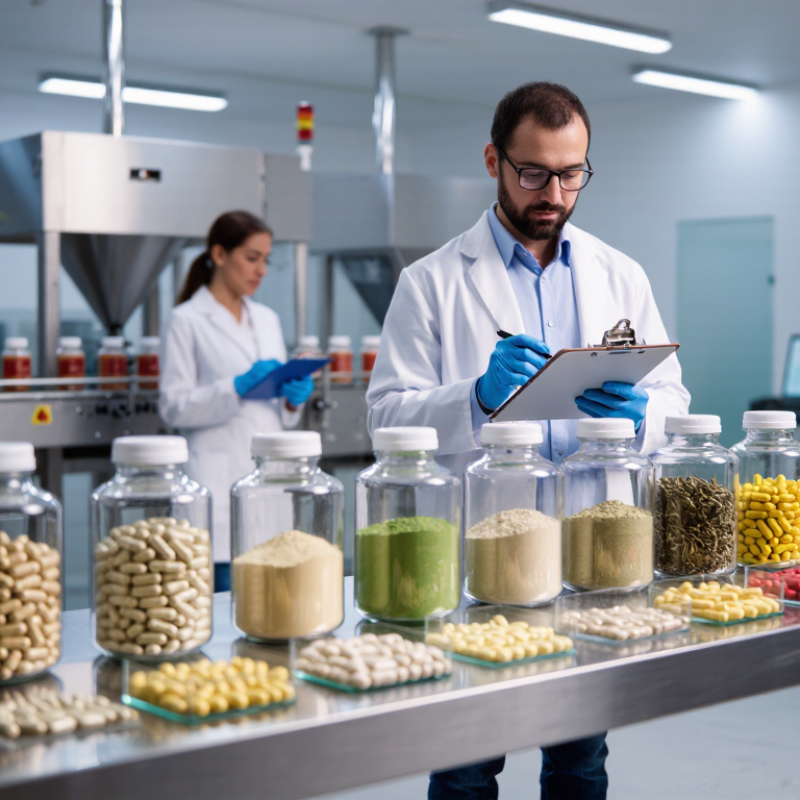
Vegetarian diet supplements support nutrient intake when meals do not provide enough iron, vitamin B12, calcium, zinc, or omega-3 fatty acids. They may contain plant extracts, minerals, fermented ingredients, or algae-based nutrients. A genuinely vegetarian product should use suitable capsules, processing aids, and flavor systems. This detail is often missed.
China has a broad supplier market, ranging from ingredient processors to finished-product manufacturers. Experienced buyers should examine factory records, production licenses, batch testing, and traceability documents. A reliable supplier can provide a certificate of analysis, allergen information, stability data, and clear dosage instructions. Factory audits can reveal practical details, such as powder residue near filling lines or poor storage humidity control.
Supplier quality is not measured by price alone. Compare minimum order quantities, sample consistency, lead times, packaging options, and communication speed. Ask whether the same formula remains stable across several batches. My own screening process is not flawless. Documents can look complete while production practices remain unclear. Independent laboratory testing may therefore be necessary for identity, purity, heavy metals, microbes, and label accuracy. Vegetarian claims also require careful review of excipients and manufacturing cross-contact controls. Some suppliers understand export compliance well; others need detailed guidance. A careful partnership grows through repeated evidence, not attractive quotations.
Ranking China-based vegetarian diet supplement suppliers requires more than comparing catalog prices. A credible review should examine manufacturing controls, ingredient traceability, and product documentation. Ask whether staff can provide current test reports for identity, purity, and contaminants. Check that the report matches the specific ingredient lot, not a generic sample. Small details matter.
Supplier experience is easier to assess through concrete records. Request examples of batch documents, production timelines, and procedures for handling complaints or rejected lots. Verify whether the facility’s quality systems are independently audited, and confirm the audit scope and date. A certificate alone is not enough. It may cover a different site or activity. For vegetarian claims, review capsule materials, processing aids, and cross-contact controls. Ask how changes in suppliers or formulas are communicated. Clear answers should be specific, not simply reassuring.
A fair ranking should also consider communication, realistic minimum order quantities, and the consistency of samples against later production. Compare like with like: serving size, active ingredient levels, packaging, and testing scope. Price still matters, but unusually low quotes deserve closer questions about testing and documentation. Public information can be incomplete, and supplier responses may look polished. That is a limitation worth recording, rather than hiding. Use the same checklist for every candidate, keep dated evidence, and distinguish verified facts from claims that still need confirmation.
China’s vegetarian diet supplement suppliers vary in their ingredients, production scale, and quality systems. A useful comparison looks beyond polished catalogs. Some specialize in plant protein powders; others focus on fiber blends, vitamin tablets, or botanical extracts. The right fit depends on your formula, target market, and preferred dosage form.
When reviewing ten potential suppliers, check their ingredient traceability, allergen controls, and batch-testing procedures. Ask for recent certificates of analysis and clear specifications for each ingredient. Visit production sites when practical, or request a detailed facility audit. Small details matter: a readable batch code, sealed sample pouch, and consistent powder texture can reveal how carefully a product is handled. Not everything is obvious from a brochure.
Request samples from several manufacturers and compare taste, solubility, and packaging stability. Confirm minimum order quantities, lead times, customization options, and communication practices in writing. A supplier may offer attractive pricing but provide limited documentation; that deserves a closer look. Be cautious of vague claims about product performance, and seek qualified review of labels before sale. This overview supports supplier screening, not a guarantee of quality.
Supplier Profiles: Products, Certifications, and Manufacturing Capabilities
A useful supplier profile begins with the product range. Chinese manufacturers may offer plant-based protein powders, fiber blends, mineral capsules, or botanical extracts for vegetarian diets. Check ingredient lists for animal-derived additives, including capsule materials and processing aids. Small details matter. A “vegetarian” label alone does not explain every ingredient source.
Certifications can help buyers assess quality systems, but the certificate’s scope deserves careful review. Confirm that it covers the actual production site and product category, and check its validity with the issuing body. Ask for recent test reports covering identity, microbiological quality, and relevant contaminants. Good documentation should be specific, not just a polished brochure. Some suppliers share detailed records only after a formal inquiry, which can slow evaluation.
Manufacturing capabilities also vary. One facility may blend powders and fill capsules, while another focuses on extracts or contract production. Ask about batch sizes, equipment, traceability, allergen controls, and sample approval procedures. A video tour is useful, but it cannot replace an independent audit. Be candid about uncertainties: public supplier information may be incomplete, and impressive capacity figures do not prove consistent quality. Request a product sample and compare it with the specification before making a purchasing decision.
Edition and revision years of selected standards and schemes relevant to supplier due diligence.
These dates identify editions or revisions—not the number of suppliers certified. Verify each supplier’s certificate, scope, and validity directly; certification alone does not establish product suitability.
A supplier’s catalog is only a starting point. The Council for Responsible Nutrition’s 2023 Consumer Survey found that 74% of U.S. adults use dietary supplements, highlighting the importance of dependable quality controls. Ask potential suppliers for product specifications, recent batch-specific certificates of analysis, and testing methods. Check whether reports identify the actual ingredient, potency, microbial limits, and heavy-metal results—not just a generic pass. For vegetarian products, confirm capsule materials, processing aids, and controls against cross-contact with animal-derived ingredients.
Traceability matters. Request the ingredient’s country of origin, lot numbers, and records linking incoming materials to finished batches. Review audit scope and dates, then verify certificates directly with the issuing organization. A certificate can look convincing yet leave gaps; I would not treat a logo or sales claim as evidence. Ask how deviations are investigated and whether the supplier can provide a sample batch record with confidential details removed. Clear answers count.
Tips: Compare the same specification across suppliers. Request recent test results, not a promise to test later. Check that the laboratory’s methods suit the ingredient, and clarify who pays for independent retesting. Small inconsistencies deserve follow-up. They do not automatically mean poor quality, but they can reveal weak documentation.
| # | Evaluation Dimension | What to Request and Verify | Credible Evidence | Warning Signs | Suggested Weight |
|---|---|---|---|---|---|
| 1 | Business and Facility Legitimacy | Confirm the supplier’s legal entity, manufacturing-site address, and whether its documented business and production scope match the products offered. | Current business registration details; applicable food-production licensing information; independently verifiable facility address and site records. | Documents use inconsistent legal names or addresses; the supplier will not identify the actual manufacturing site. | 15% |
| 2 | Product Classification and Regulatory Fit | Establish how each product is classified in China and in the intended destination market. Check whether registration, filing, or other product-specific requirements apply. | Product-specific regulatory documentation and a clear explanation of applicable rules for each market. Requirements can differ by formulation, claims, and destination. | Claims that one approval automatically covers every product or country; unsupported disease-treatment claims. | 15% |
| 3 | Quality Management System | Review written procedures for supplier approval, production controls, sanitation, deviations, corrective actions, and product recalls. | Current certificates or audit reports with verifiable issuer, site, scope, and validity; relevant quality records available for review. | Certificate scope does not cover the manufacturing site or product activity; expired or unverifiable certificates. | 15% |
| 4 | Testing and Batch Release | Ask for recent, lot-specific results for identity and relevant purity or safety tests. Confirm that methods and limits suit the ingredient and destination market. | Certificate of analysis linked to a batch; named test methods and results; laboratory credentials that can be checked, such as applicable ISO/IEC 17025 accreditation scope. | Generic certificates without batch numbers; unexplained results; claims that a laboratory certificate guarantees regulatory compliance. | 15% |
| 5 | Ingredient Traceability | Trace key ingredients back through suppliers and production lots. For vegetarian products, check source and processing aids, including capsule materials where relevant. | Ingredient specifications, supplier qualification records, lot identifiers, and a documented traceability or recall process. | Unclear ingredient origin; inability to link finished-product batches to ingredient lots; unsupported vegetarian or vegan claims. | 10% |
| 6 | Manufacturing Capability | Check whether the site can consistently make the proposed dosage form, batch size, and packaging, and how it controls changes between batches. | Facility and equipment information, process flow, production records, capacity details, and change-control procedures. | Capacity promises without supporting production information; reliance on undisclosed subcontractors. | 10% |
| 7 | Export Documentation | Confirm the supplier can provide the documents required for the specific destination and shipment, and that product labels and claims are reviewed for that market. | Relevant export and shipping documents, product specifications, ingredient lists, and destination-specific label information, as applicable. | Promises that a single document or domestic license satisfies all importing-country requirements. | 8% |
| 8 | Audit and Site Verification | Arrange a site visit or qualified independent audit. Confirm that the audit covers the actual production and storage locations used for the order. | Recent audit report with site, date, scope, findings, and corrective-action status; video or remote review may supplement but not replace appropriate verification. | Refusal of reasonable verification; audit documents with missing pages, unclear scope, or unresolved major findings. | 5% |
| 9 | Commercial and Supply Terms | Agree on specifications, minimum order quantity, lead time, shelf life at delivery, packaging, payment terms, and responsibility for nonconforming goods. | Written quotation and contract with measurable specifications, agreed inspection terms, and clear remedies for quality issues. | Material terms are only verbal; specification changes are allowed without written approval. | 4% |
| 10 | Communication and Document Consistency | Assess whether answers are timely and consistent across sales, quality, and regulatory contacts. Cross-check names, addresses, dates, and product details in records. | Consistent written responses and documents; a designated contact for quality and compliance questions. | Conflicting information, repeated pressure to place an order before checks are complete, or altered-looking records. | 3% |
| Total Suggested Evaluation Weight | 100% | ||||
Use this checklist to compare documented evidence, not marketing claims. Regulatory requirements vary by product and destination; verify current rules with the relevant authorities or a qualified regulatory professional before purchase or import.
„Thanks to the LUVIR technology, the solder resist process could be switched directly from the previously used mask exposure to direct exposure. As an outstanding digital solution on the market, this technology has been able to demonstrate fast process times and superior quality on our certified conventional ink in production. This allowed us to fully digitize the solder mask process at low cost – without process or ink adjustments. An excellent benefit to our production in Rot am See.“
Ralf Göhringer (Head of Production WE Rot am See)
I would definitely recommend the Limata machine and team for a future company purchase
Michael Greenaway
Compunetics Inc.
“The Limata ldi has been amazing!! Best thing we did was buy this machine”
Richard Brady
GM
Circuitlabs
“Since 2019, we have been running the Limata X1000 LDI system (including LUVIR for solder mask imaging) in daily production as an addition to our current process with film. The machine was capable of properly exposing Taiyo PSR-4000 BN (DI) solder mask types on normal to high-copper boards using a new and unique direct imaging process. The machine operating interface is very user friendly which allowed for a quick technical training curve. The pre-registration processing reduced several seconds of production time at every print. Limata support and service staff is incomparable. They supported our team every step of the way at basically any time of the day or night, with literally, an immediate response time, customizing the software interface to best fit our Operations and needs.
We have exposed more than 8,000 prints since end of October, on various solder mask colors and some resist film panels. Limata, has proven to be very capable and innovative. They are a strong contender in the industry.
We have very much enjoyed this project, and working with the team!
Thank you Limata for the continued support and being a part of our growth.”
Bill Sezate
Vice President, GM
Summit Interconnect
As a replacement to our current contact exposure process with film, the LIMATA X2000 system including LUVIR-Technology was capable of properly exposing non-LDI solder mask types using a direct imaging process. The machine offers cutting edge software with a very intuitive operating interface which allowed for quick technician training curve. The dual drawer system combined with pre-registration processing reduced several seconds of production time at every machine cycle. Limata support and service staff is world class. They added software patches to keep production running at shortest possible response times, customized the software interface to best fit our in-house Operations system, and even wrote a step-by-step machine processing manual. As a result of the project, we have exposed more than 16,000 times on various product types and solder mask brands/colors. Limata, in a very short timeframe as a company, has definitely shown they are truly innovative and will be challenging the industry of direct imaging for the top spot.
Kevin Beattie
Process Engineer
TTM Technologies
Forest Grove Division
