In today's electrical systems, the Air Circuit Breaker (ACB) plays a critical role in ensuring safety and reliability. These devices are essential for managing electrical loads and protecting circuits from overcurrent and short circuits. With various types available, understanding the nuances of ACBs can be daunting for global buyers.
Each type of Air Circuit Breaker offers unique features and applications. Some focus on faster response times, while others emphasize energy efficiency. Market demands continue to evolve, making it vital for buyers to stay informed. A thorough grasp of these ACB types aids decision-making. This knowledge can prevent costly mistakes and enhance system performance.
While selecting an Air Circuit Breaker, consider factors like voltage ratings and installation environments. Buyers often overlook critical specifications, leading to potential issues. Engaging with experts can clarify confusion, ensuring optimal choices are made. This article aims to provide a well-rounded overview of the top 10 ACB types, guiding buyers toward informed selections.
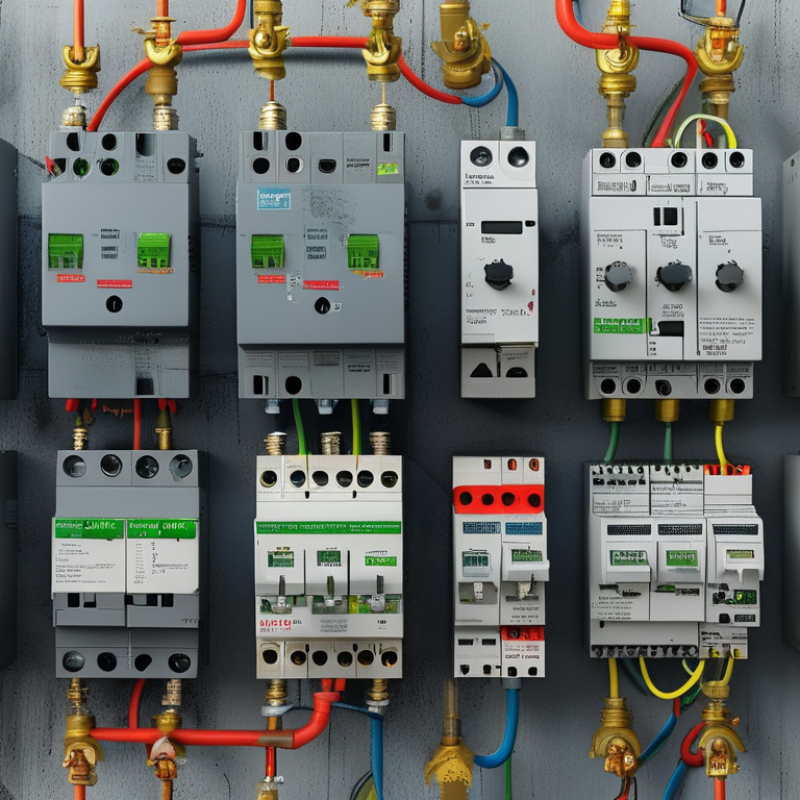
Air circuit breakers (ACBs) are essential components in electrical distribution systems. They protect circuits from overloads and short circuits. Different types of ACBs serve specific applications, making it crucial for buyers to understand their options. According to a recent industry report, the global air circuit breaker market is expected to reach $11 billion by 2027. This growth reflects the increasing demand for reliable electrical protection.
One common type is the plain break air circuit breaker. These devices operate on the principle of separating contacts in air to interrupt the flow of electricity. They are often used in industrial settings where large voltage levels are present. Another notable variety is the magnetic air circuit breaker, known for its fast response to short circuit conditions. While these breakers are effective, they require regular maintenance to ensure reliability. An estimated 15% of failures in electrical systems relate to inadequate maintenance practices.
Automatic reset air circuit breakers are gaining popularity too. They can reset themselves after tripping, which may reduce downtime. However, this feature can sometimes lead to unintentional trips without addressing the underlying issue. Buyers must weigh the benefits against potential risks. Understanding these types helps in making informed decisions. Proper selection contributes to both safety and efficiency in electrical networks.
Air circuit breakers (ACBs) play a crucial role in commercial applications. They prevent overloads and short circuits, protecting not just equipment but also ensuring safety for employees. ACBs are reliable, offering durability and efficiency. These devices are essential for maintaining operational stability in environments with fluctuating power demands.
Using ACBs can lead to significant cost savings. They reduce energy waste, ensuring your systems operate at optimal efficiency. Additionally, ACBs require less maintenance compared to other types of circuit breakers. While they are beneficial, consider potential drawbacks. Their initial setup can be complex, leading to installation challenges. It’s essential to ensure all components are compatible.
Tip: Regular inspections of ACBs can help detect issues early. This proactive approach can prevent costly downtimes later. Another point to ponder is the power settings; improperly calibrated devices can lead to unexpected shutdowns. Always review your circuit breaker settings to match your facility's current load demands. Maintaining a balance is critical for reliable performance.
| Breaker Type | Voltage Rating (kV) | Current Rating (A) | Applications | Advantages |
|---|---|---|---|---|
| Molded Case Air Circuit Breaker | 0.6 to 1.0 | 100 - 800 | Industrial & Commercial | Compact size, effective motor protection |
| Frame Circuit Breaker | 1.0 to 15 | 400 - 2500 | HV Equipment, Data Centers | High breaking capacity, customizable |
| Integrated Protection Circuit Breaker | 0.4 to 0.72 | 200 - 1200 | Power Plants, Large Facilities | Integrated monitoring capabilities, space-saving |
| Dual Function Circuit Breaker | 10 to 15 | 100 - 1600 | Commercial Buildings, Manufacturing | Versatile use, reduced installation cost |
| Compact Air Circuit Breaker | 0.4 to 7.2 | 15 - 300 | Small Breakers, Residential Use | Space-efficient design, easy installation |
| Remote Control Circuit Breaker | Medium Voltage | Up to 2000 | Utility Power Management | Remote operation, enhanced safety |
| Intelligent Circuit Breaker | 0.4 to 5.0 | 100 - 1600 | Smart Buildings, IoT Applications | Data analysis, predictive maintenance |
| Motor Protection Circuit Breaker | 0.6 to 1.0 | 50 - 800 | Industrial Motors | Specifically designed for motor protection |
| Surge Protection Circuit Breaker | 0.4 to 1.0 | 100 - 600 | Data Centers, Telecom | Protects against voltage spikes |
| Earth Leakage Circuit Breaker | 0.4 to 7.2 | 10 - 300 | Residential, Commercial | Prevents electrocution, increases safety |
Choosing the right air circuit breaker requires careful consideration. Start by evaluating the electrical load. Understand the current rating and ensure it matches your system's demands. An incorrect rating can lead to overheating or electrical failures. Reliability is crucial; select models known for their performance in various conditions.
Next, think about the operational environment. Factors such as temperature, humidity, and potential dust exposure can affect breaker efficiency. Some environments may require specialized circuit breakers that can resist harsh conditions. Assessing these conditions can prevent future issues.
Maintenance should also factor into your decision. Some models are easier to maintain and check than others. Choose a circuit breaker that offers accessible components. Regular inspections can prevent unexpected failures. Relying solely on the initial selection may not be enough; ongoing evaluation and adaptation are necessary.
When choosing air circuit breakers, understanding different brands is vital. Each brand offers unique features and advantages. The performance of these devices can vary significantly, impacting efficiency and safety in various applications. Factors such as current rating, breaking capacity, and design complexity come into play. Buyers must assess these features against their specific needs.
Some brands are known for their robust performance and durability. These options tend to have a longer lifespan, critical for high-demand environments. However, they might come with a higher initial cost. Other brands focus on affordability and ease of installation. While these models may save money upfront, they sometimes lack the same level of reliability. This trade-off needs careful consideration.
Market research is essential when navigating this diverse landscape. It's not just about pricing or features; user experiences matter. Reading reviews can reveal strengths and weaknesses not apparent in specifications. Personal experiences can highlight unexpected issues, offering valuable insights. As buyers explore options, staying informed will help them make better choices.
Air circuit breakers (ACBs) are evolving rapidly. They are crucial for electrical protection and management. As industries face increasing demands for safety and efficiency, the design of ACBs must adapt. Recent innovations focus on smart technology integration. This allows for real-time monitoring and diagnostics. Such advancements enhance reliability and reduce maintenance costs. However, integrating new tech can be challenging for some manufacturers.
Market demand is influenced by several factors. Renewable energy sources drive the need for advanced electrical infrastructure. ACBs must accommodate the variable nature of these energy systems. Additionally, urbanization increases the requirement for effective power distribution. Consumers expect sustainable and energy-efficient solutions. This reality presents both opportunities and challenges for manufacturers. They must balance traditional features with modern requirements.
The future may see ACBs becoming more compact and efficient. This transition requires investment in research and development. However, not all companies can keep pace with these changes. Some may struggle to innovate while maintaining quality. Ultimately, the path forward may need more collaboration within the industry. This can help ensure that technology improves. It will also promote a more resilient electrical framework for all.
This chart illustrates the distribution of different types of air circuit breakers based on their market demand for global buyers in 2023. The data reflects the preferences and trends influencing the purchasing decisions in the circuit breaker market.
„Thanks to the LUVIR technology, the solder resist process could be switched directly from the previously used mask exposure to direct exposure. As an outstanding digital solution on the market, this technology has been able to demonstrate fast process times and superior quality on our certified conventional ink in production. This allowed us to fully digitize the solder mask process at low cost – without process or ink adjustments. An excellent benefit to our production in Rot am See.“
Ralf Göhringer (Head of Production WE Rot am See)
I would definitely recommend the Limata machine and team for a future company purchase
Michael Greenaway
Compunetics Inc.
“The Limata ldi has been amazing!! Best thing we did was buy this machine”
Richard Brady
GM
Circuitlabs
“Since 2019, we have been running the Limata X1000 LDI system (including LUVIR for solder mask imaging) in daily production as an addition to our current process with film. The machine was capable of properly exposing Taiyo PSR-4000 BN (DI) solder mask types on normal to high-copper boards using a new and unique direct imaging process. The machine operating interface is very user friendly which allowed for a quick technical training curve. The pre-registration processing reduced several seconds of production time at every print. Limata support and service staff is incomparable. They supported our team every step of the way at basically any time of the day or night, with literally, an immediate response time, customizing the software interface to best fit our Operations and needs.
We have exposed more than 8,000 prints since end of October, on various solder mask colors and some resist film panels. Limata, has proven to be very capable and innovative. They are a strong contender in the industry.
We have very much enjoyed this project, and working with the team!
Thank you Limata for the continued support and being a part of our growth.”
Bill Sezate
Vice President, GM
Summit Interconnect
As a replacement to our current contact exposure process with film, the LIMATA X2000 system including LUVIR-Technology was capable of properly exposing non-LDI solder mask types using a direct imaging process. The machine offers cutting edge software with a very intuitive operating interface which allowed for quick technician training curve. The dual drawer system combined with pre-registration processing reduced several seconds of production time at every machine cycle. Limata support and service staff is world class. They added software patches to keep production running at shortest possible response times, customized the software interface to best fit our in-house Operations system, and even wrote a step-by-step machine processing manual. As a result of the project, we have exposed more than 16,000 times on various product types and solder mask brands/colors. Limata, in a very short timeframe as a company, has definitely shown they are truly innovative and will be challenging the industry of direct imaging for the top spot.
Kevin Beattie
Process Engineer
TTM Technologies
Forest Grove Division
