As the global market for aluminum products continues to expand, the demand for efficient aluminum foil winding equipment rises. This trend highlights the importance of innovation and precision in manufacturing processes. In 2026, industry leaders are focusing on advancements that enhance productivity and reduce waste.
Aluminum foil winding equipment serves as a critical component in this sector. Its role is vital in achieving high-quality output and operational efficiency. Buyers are increasingly seeking solutions that blend technology and reliability. Manufacturers face challenges in meeting these expectations while adapting to dynamic market needs.
Looking ahead, the landscape of aluminum foil winding equipment promises exciting developments. Enhanced designs and more automated systems are on the horizon. However, as competition intensifies, companies must reflect on their existing practices. Continuous improvement is essential to stay ahead. Investing in the right equipment today will shape the industry's future for global buyers.
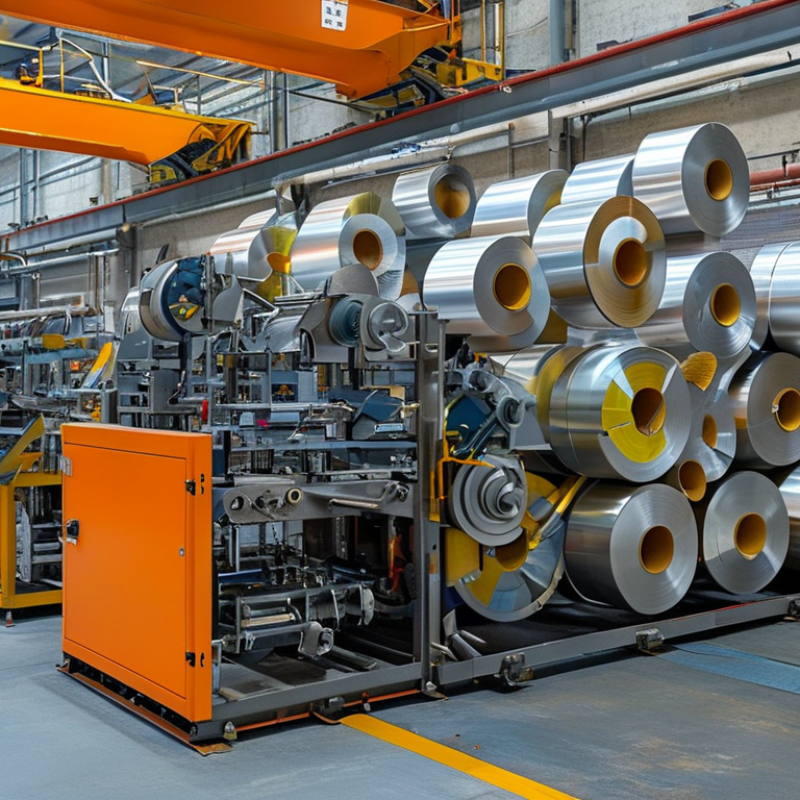
The aluminum foil winding equipment market is on an upward trajectory in 2026. Factors driving this growth include increased demand across packaging and electronic sectors. Manufacturing processes are evolving, with a push for automation and efficiency. Buyers seek advanced machinery that ensures high precision and lower energy consumption.
Developments in technology are noticeable. Companies are exploring smart solutions to enhance production workflows. Features such as real-time monitoring and predictive maintenance are becoming standard. However, investment in these technologies can be challenging for some manufacturers. Smaller firms may find it hard to keep pace.
While the market expands, quality and reliability remain essential. Buyers must evaluate equipment not just on price but also on durability and service support. A balance between innovation and practicality is crucial. As trends shift, the focus will likely remain on creating more sustainable solutions for aluminum foil winding processes. This evolving landscape presents both opportunities and complexities for global buyers.
As the demand for aluminum foil rises, sophisticated winding equipment becomes crucial. Manufacturers are increasingly focusing on key features that enhance efficiency and productivity. For instance, advanced tension control systems are essential. They ensure uniform winding, minimizing defects in the finished product. According to industry reports, precision in tension management can improve yield rates by up to 25%, highlighting its importance.
Another vital technology is the integration of automation. Automated winding machines significantly reduce manual labor and human error. This shift leads to lower operational costs and higher output. Research indicates that facilities utilizing automated systems can achieve production increases of 30% compared to traditional methods. This dynamic landscape encourages global buyers to invest in cutting-edge equipment.
Moreover, energy efficiency has become a primary concern. Technologies that optimize power usage not only reduce costs but also align with sustainability goals. Reports suggest that energy-efficient machines can lower consumption by 15%, benefiting both the environment and the bottom line. Despite these advances, manufacturers must remain vigilant. Maintaining equipment performance and ensuring quality control demand ongoing attention. Balancing innovation with operational challenges will define the future of aluminum foil winding technology.
When exploring aluminum foil winding equipment in 2026, the landscape reveals several key manufacturers and brands. These entities are recognized for their commitment to innovation and quality. They focus on maximizing efficiency in the winding process. Their machines are designed to handle various foil thicknesses and widths, catering to a diverse range of production needs.
Some brands are pioneers in automation, enabling seamless operations. Users report that these machines enhance production speed, reducing material waste. However, the cost of advanced technology can be a concern for smaller manufacturers. They often face challenges in justifying investments in high-end equipment. There’s a tangible gap between premium machinery and budget-friendly options.
Reliability and service are critical factors when choosing equipment. Potential buyers should consider long-term maintenance and support. Comprehensive training programs can bridge the knowledge gap for operators. By choosing reputable manufacturers, businesses can improve their operational performance. Yet, it’s essential to evaluate the specific needs before commitment. Not every solution fits all situations. Proper research and diligence can lead to informed decisions.
Aluminum foil applications vary widely, necessitating distinct winding equipment to optimize performance. For instance, the food packaging industry requires equipment that minimizes waste and ensures cleanliness. Given that the global aluminum foil market is projected to grow by 4.6% annually, the demand for specialized winding equipment is also on the rise. This optimization significantly influences product quality and operational efficiency.
In sectors such as electronics, precision is paramount. Equipment designed for thinner foils must deliver tight tolerances and consistent winding tension. Reports indicate that precision winding can reduce defects by up to 25%. However, the complexity of these machines may increase operational challenges. Users might face difficulties in training staff to operate advanced technologies effectively.
Understanding the nuances between different foil applications is crucial for buyers. Equipment suited for thicker foils may not perform well with thinner materials. Equally, maintenance frequency and costs can vary widely. This variability highlights the importance of carefully assessing operational needs before making a purchase. Balancing quality and efficiency remains a challenge in the industry.
The aluminum foil winding technology is evolving rapidly. Innovations are redefining efficiency and quality in production processes. In 2026, the focus will be on integrating advanced automation and smart technologies. These changes aim to meet growing global demand with better precision.
New winding equipment will feature enhanced sensors and real-time data analysis. This will improve quality control and reduce waste. Manufacturers will likely focus on user-friendly interfaces. These interfaces will help operators manage complex processes more easily.
Tips: Pay attention to energy efficiency. Look for winding equipment with lower power consumption. Regular maintenance is essential for optimal performance. Even minor delays can affect productivity. Anticipate potential technical challenges as technology advances. Educating staff on new systems can prevent disruptions. Make room for ongoing training to stay updated.
| Equipment Type | Max Winding Speed (m/min) | Reel Diameter (mm) | Power Consumption (kW) | Technological Innovations |
|---|---|---|---|---|
| High-Speed Winding Machine | 800 | 600 | 120 | Automatic Tension Control |
| Compact Winding System | 600 | 500 | 80 | Energy Efficient Design |
| Dual-Station Winder | 700 | 650 | 100 | Real-time Monitoring System |
| Robotic Winding Machine | 500 | 700 | 150 | AI-Driven Process Optimization |
| Automated Slitting & Winding | 650 | 550 | 90 | Smart Control System |
„Thanks to the LUVIR technology, the solder resist process could be switched directly from the previously used mask exposure to direct exposure. As an outstanding digital solution on the market, this technology has been able to demonstrate fast process times and superior quality on our certified conventional ink in production. This allowed us to fully digitize the solder mask process at low cost – without process or ink adjustments. An excellent benefit to our production in Rot am See.“
Ralf Göhringer (Head of Production WE Rot am See)
I would definitely recommend the Limata machine and team for a future company purchase
Michael Greenaway
Compunetics Inc.
“The Limata ldi has been amazing!! Best thing we did was buy this machine”
Richard Brady
GM
Circuitlabs
“Since 2019, we have been running the Limata X1000 LDI system (including LUVIR for solder mask imaging) in daily production as an addition to our current process with film. The machine was capable of properly exposing Taiyo PSR-4000 BN (DI) solder mask types on normal to high-copper boards using a new and unique direct imaging process. The machine operating interface is very user friendly which allowed for a quick technical training curve. The pre-registration processing reduced several seconds of production time at every print. Limata support and service staff is incomparable. They supported our team every step of the way at basically any time of the day or night, with literally, an immediate response time, customizing the software interface to best fit our Operations and needs.
We have exposed more than 8,000 prints since end of October, on various solder mask colors and some resist film panels. Limata, has proven to be very capable and innovative. They are a strong contender in the industry.
We have very much enjoyed this project, and working with the team!
Thank you Limata for the continued support and being a part of our growth.”
Bill Sezate
Vice President, GM
Summit Interconnect
As a replacement to our current contact exposure process with film, the LIMATA X2000 system including LUVIR-Technology was capable of properly exposing non-LDI solder mask types using a direct imaging process. The machine offers cutting edge software with a very intuitive operating interface which allowed for quick technician training curve. The dual drawer system combined with pre-registration processing reduced several seconds of production time at every machine cycle. Limata support and service staff is world class. They added software patches to keep production running at shortest possible response times, customized the software interface to best fit our in-house Operations system, and even wrote a step-by-step machine processing manual. As a result of the project, we have exposed more than 16,000 times on various product types and solder mask brands/colors. Limata, in a very short timeframe as a company, has definitely shown they are truly innovative and will be challenging the industry of direct imaging for the top spot.
Kevin Beattie
Process Engineer
TTM Technologies
Forest Grove Division
