Aluminum Moulding Profiles are essential in modern construction and design. These profiles add structure and elegance to various applications. Understanding these profiles is crucial for selecting the right materials for any project.
There are different types of Aluminum Moulding Profiles. Each serves unique purposes. Some profiles are sturdy and ideal for heavy-duty use, while others focus on aesthetics. Knowing the variety allows for better decision-making in both commercial and residential spaces.
Choosing the appropriate profile can be challenging. Mistakes can lead to increased costs and project delays. Moreover, the installation might not meet expectations if the wrong type is selected. Thus, a clear understanding of these profiles can enhance both functionality and design quality in your projects.
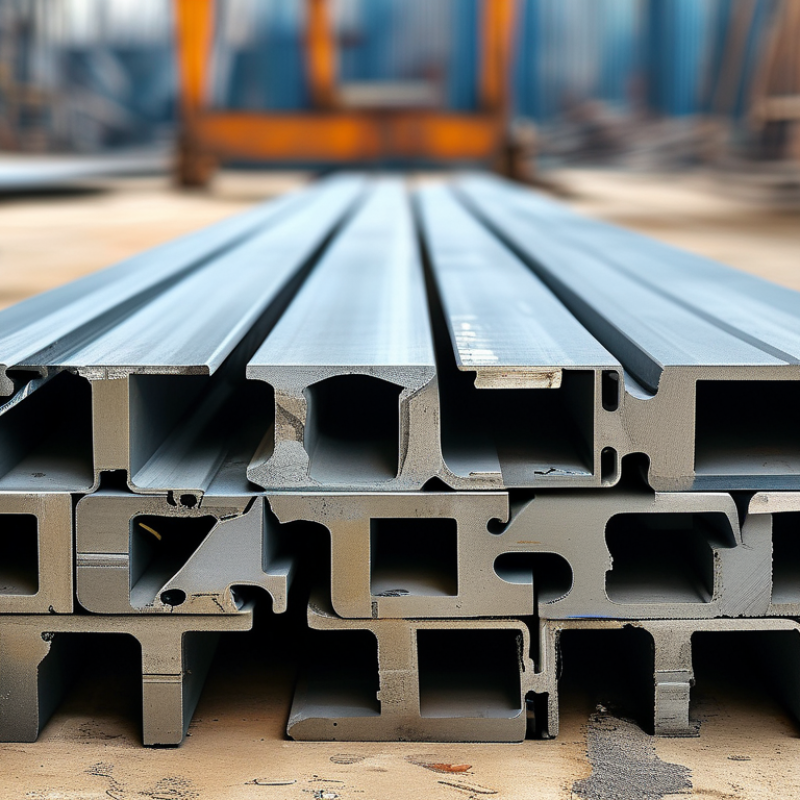
Aluminum moulding profiles play a critical role in various industries, from construction to automotive. These profiles are not just about aesthetics; they provide essential structural support. According to a report by Research and Markets, the global aluminum extrusions market was valued at approximately $100 billion in 2023, highlighting the material's growing importance.
The manufacturing process of aluminum profiles can be complex. Factors such as temperature and pressure during extrusion directly impact the final product's strength and durability. Notably, a miscalculation in these factors can lead to defects. This can incur additional costs and time delays in production. Understanding the nuances of aluminum moulding profiles is crucial for engineers and designers. The correct choice of profile can significantly influence a project’s success or failure.
Industry experts stress the importance of informed decisions. For instance, selecting the right alloy can improve the longevity of a structure. However, this often requires specialized knowledge. Many professionals still overlook these technical details. A lack of understanding can lead to unsuitable material choices, raising concerns about quality and safety. This emphasizes the ongoing need for education and awareness within the field of aluminum profiles.
Aluminum moulding profiles are essential in various industries. Their strength, weight, and corrosion resistance make them valuable. For instance, the global aluminum profiles market is expected to reach USD 157 billion by 2026, driven by increased demand in construction and automotive sectors.
One key characteristic of aluminum moulding profiles is their versatility. They can be extruded into complex shapes. This flexibility is crucial for tailored solutions in architecture and manufacturing. However, not all profiles meet stringent criteria, leading to inconsistencies in performance. Reports indicate that about 15% of extruded profiles may not meet specified tolerances, raising concerns.
Another notable feature is their lightweight nature, which enhances transport efficiency. Aluminum profiles typically weigh 30% less than equivalent steel profiles. Yet, insufficient awareness about material specifications can lead to misuse, undermining structural integrity. Understanding these characteristics can help industries make informed choices when selecting aluminum moulding profiles.
Aluminum moulding profiles play a crucial role in various architectural and design projects. Understanding the five essential types can elevate your work. One popular profile is the flat bar, known for its versatility. It can be used in frames, shelves, and even as decorative trims. It’s lightweight but durable.
Another important type is the angle moulding. This profile offers excellent strength and is commonly used for structural support. While it’s effective, improper installation can lead to weaknesses in the structure. Pay close attention to alignment when using it in your projects.
The J-channel profile is notable for its unique shape. It allows for clean edges in wall installations. However, it can be challenging to cut accurately. Mistakes here can lead to wasted materials. Lastly, consider the U-channel profile for its ability to contain and protect wiring. It’s useful but may require specific tools for proper installation. Each profile has its strengths and demands careful planning to ensure the best results.
Aluminum moulding profiles are essential in many industries due to their versatility and strength. The automotive sector utilizes these profiles extensively. According to a recent report, aluminum components can reduce vehicle weight by up to 50%. This reduction improves fuel efficiency and lowers emissions. With stricter environmental regulations, manufacturers are increasingly adopting aluminum solutions.
In the construction industry, aluminum profiles are crucial for window frames, doors, and facades. They contribute to energy efficiency by providing insulation and resistance against weather conditions. Reports indicate that buildings using aluminum structures can save up to 30% on energy costs. However, the installation process can be complex and requires skilled labor, which is often a challenge in the industry.
Additionally, the electronics sector benefits from aluminum moulding profiles. They are used in heat sinks and casings, improving thermal management. Data shows that aluminum can enhance product life by conducting heat away from sensitive components. Nevertheless, sourcing quality materials can sometimes be inconsistent, leading to performance issues. Balancing quality and cost remains a key concern for manufacturers in this field.
Maintaining aluminum moulding profiles requires attention to detail. Regular cleaning is vital. Use a soft cloth for dust removal. A mild detergent mixed with water can effectively eliminate stains or smudges. Avoid using abrasive materials, as they can scratch the surface.
Inspect the profiles often for any signs of wear. Coatings can fade over time. If you notice discoloration or dullness, consider a mild polishing compound. It can restore shine without damaging the aluminum. Applying a protective wax may also help in maintaining the finish.
In humid environments, aluminum can corrode. Ensure your space is well-ventilated. If corrosion does appear, act promptly. Sanding the affected area lightly can help. After that, reapply a protective coating for added durability. Remember, overlooking small details in maintenance can lead to more significant issues later. Regular care is not just recommended, it’s necessary for longevity.
„Thanks to the LUVIR technology, the solder resist process could be switched directly from the previously used mask exposure to direct exposure. As an outstanding digital solution on the market, this technology has been able to demonstrate fast process times and superior quality on our certified conventional ink in production. This allowed us to fully digitize the solder mask process at low cost – without process or ink adjustments. An excellent benefit to our production in Rot am See.“
Ralf Göhringer (Head of Production WE Rot am See)
I would definitely recommend the Limata machine and team for a future company purchase
Michael Greenaway
Compunetics Inc.
“The Limata ldi has been amazing!! Best thing we did was buy this machine”
Richard Brady
GM
Circuitlabs
“Since 2019, we have been running the Limata X1000 LDI system (including LUVIR for solder mask imaging) in daily production as an addition to our current process with film. The machine was capable of properly exposing Taiyo PSR-4000 BN (DI) solder mask types on normal to high-copper boards using a new and unique direct imaging process. The machine operating interface is very user friendly which allowed for a quick technical training curve. The pre-registration processing reduced several seconds of production time at every print. Limata support and service staff is incomparable. They supported our team every step of the way at basically any time of the day or night, with literally, an immediate response time, customizing the software interface to best fit our Operations and needs.
We have exposed more than 8,000 prints since end of October, on various solder mask colors and some resist film panels. Limata, has proven to be very capable and innovative. They are a strong contender in the industry.
We have very much enjoyed this project, and working with the team!
Thank you Limata for the continued support and being a part of our growth.”
Bill Sezate
Vice President, GM
Summit Interconnect
As a replacement to our current contact exposure process with film, the LIMATA X2000 system including LUVIR-Technology was capable of properly exposing non-LDI solder mask types using a direct imaging process. The machine offers cutting edge software with a very intuitive operating interface which allowed for quick technician training curve. The dual drawer system combined with pre-registration processing reduced several seconds of production time at every machine cycle. Limata support and service staff is world class. They added software patches to keep production running at shortest possible response times, customized the software interface to best fit our in-house Operations system, and even wrote a step-by-step machine processing manual. As a result of the project, we have exposed more than 16,000 times on various product types and solder mask brands/colors. Limata, in a very short timeframe as a company, has definitely shown they are truly innovative and will be challenging the industry of direct imaging for the top spot.
Kevin Beattie
Process Engineer
TTM Technologies
Forest Grove Division
