When it comes to enhancing the performance of heavy-duty vehicles, the aluminum truck radiator plays a crucial role. An effective radiator ensures optimal engine temperature, preventing overheating and promoting longevity. Various options are available, each with its unique features that can significantly affect cooling efficiency.
Choosing the right aluminum truck radiator requires careful consideration. Factors like cooling capacity, durability, and weight must be assessed. Some radiators excel in high-performance settings, while others cater to standard operations. Understanding these distinctions can lead to better decisions.
Investing in a top-tier aluminum truck radiator may boost your vehicle’s efficiency. However, not all products are equal, and some may even disappoint. Careful research and reviews are essential to navigate this crowded market and find the right fit.
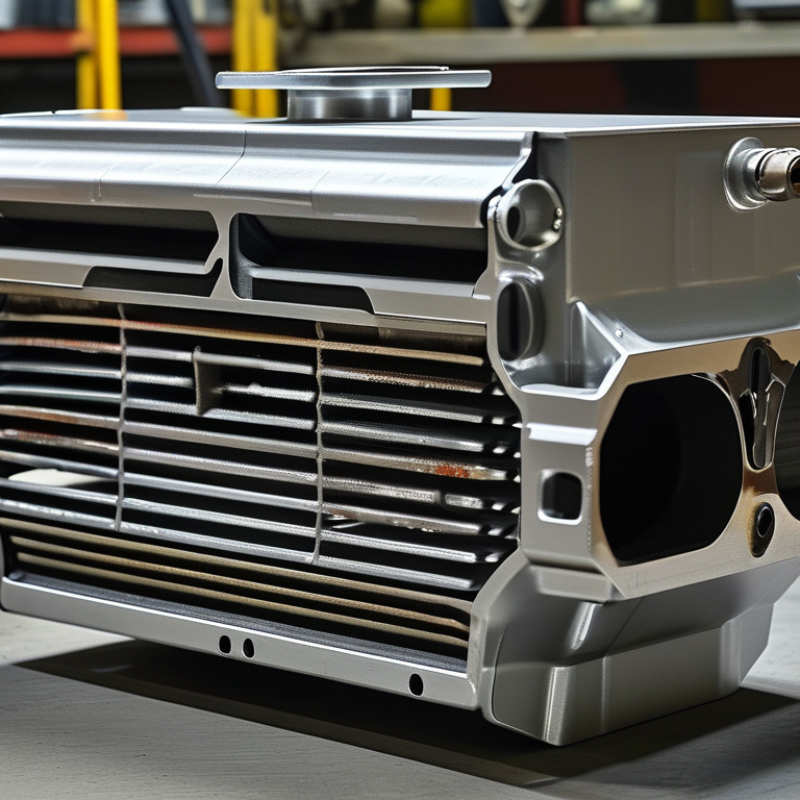
Aluminum truck radiators are gaining popularity due to their impressive performance benefits. These radiators provide superior heat dissipation compared to traditional copper-brass models. According to industry reports, aluminum radiators can improve cooling efficiency by up to 25%. This efficiency translates into better engine performance, particularly under heavy loads or high temperatures.
One major advantage of aluminum is its lightweight nature. Trucks equipped with aluminum radiators can reduce overall vehicle weight. A lower weight enhances fuel efficiency, which is crucial for long-haul drivers. The weight savings can be significant, sometimes as much as 15 pounds compared to heavier materials. However, the resistance to corrosion is a double-edged sword; while it may last longer, it often lacks the longevity of some traditional radiators under extreme conditions.
Additionally, aluminum radiators are often designed for easier installation. Their modular design allows for quick replacements, minimizing downtime. This advantage is particularly valuable in commercial settings where vehicle uptime is critical. But, the high conductivity of aluminum may lead to issues if not properly matched with engine specifications. Maintaining proper compatibility is essential for maximizing the benefits of aluminum radiators.
| Model | Material | Cooling Capacity (BTU/hr) | Weight (lbs) | Price ($) | Warranty (Years) |
|---|---|---|---|---|---|
| Radiator A | Aluminum | 15,000 | 30 | 250 | 2 |
| Radiator B | Aluminum | 18,000 | 28 | 300 | 3 |
| Radiator C | Aluminum | 20,000 | 25 | 320 | 5 |
| Radiator D | Aluminum | 22,000 | 24 | 350 | 4 |
When choosing high-performance aluminum radiators, several key features should be prioritized for optimal results. First, look for the core construction. A thicker core typically improves heat dissipation, enhancing engine cooling efficiency. Research indicates that multi-core designs can increase surface area, leading to better overall performance. It's crucial to balance size and weight; overloading a truck with a heavy radiator can reduce handling and fuel efficiency.
Another essential feature to consider is the type of welding used. Radiators with robust welds are less prone to leaks and failures. An industry report reveals that radiators with TIG welding experience a failure rate 30% lower than those made with traditional methods. Pay attention to the inlet and outlet sizes as well. The right dimensions ensure proper fitment and fluid flow, preventing overheating during intensive driving.
Tips for selecting the best radiator include checking for compatibility with your truck model. Ensure that the design allows for easy installation. Some radiators might require modifications, which can lead to unexpected challenges. Regularly inspect your radiator for signs of wear or corrosion, as these issues can escalate quickly. Lastly, evaluate warranty options, as this reflects the manufacturer's confidence in their product's durability.
Aluminum truck radiators are pivotal for optimal vehicle performance. Many top brands have developed models focused on durability and efficiency. According to industry reports, aluminum radiators offer 40% more cooling efficiency than traditional copper options. This improvement significantly enhances the operating temperature, which can prolong engine life.
Several market leaders focus on lightweight designs. Weight reduction can improve handling and fuel efficiency. For example, some radiators weigh 30% less than their competitors. However, the focus on lightweight materials sometimes sacrifices structural integrity. It's crucial to balance weight and strength, ensuring durability under heavy loads.
One emerging trend is the incorporation of advanced cooling technologies. Some models integrate enhanced fin designs, which improve airflow. Reports indicate that such innovations can increase cooling capacity by up to 25%. Yet, the complexity of these designs can lead to higher maintenance needs. Users must weigh the benefits and potential downsides before making a purchase.
When it comes to maintaining aluminum truck radiators, proper installation is crucial for optimal performance. Begin by ensuring that all mounting points align correctly. Misalignment can lead to stress and leaks. Check the hoses and fittings for proper connections. Loose connections can lead to coolant loss.
Regular maintenance is equally important. Inspect the radiator for any signs of corrosion or debris buildup. Clean the exterior with a gentle pressure wash, but avoid high pressure that could damage the fins. Additionally, consider flushing the cooling system periodically. This helps remove contaminants and prevents overheating.
Monitor coolant levels closely. Low levels can strain the engine. Make it a habit to check fluid regularly. A small leak can escalate if not addressed promptly. Keeping an eye on temperature gauges can also help spot issues early. If the gauge reads high, investigate immediately to prevent severe damage.
This chart displays the performance metrics of various aluminum truck radiators, focusing on cooling efficiency, weight reduction, and durability. These factors are crucial for maximizing performance in demanding driving conditions.
Aluminum radiators have gained popularity in the trucking industry, but how do they stack up against other materials? When comparing aluminum to steel, weight is a key factor. Aluminum radiators are lighter, improving fuel efficiency. This advantage isn't merely theoretical; many truckers report better handling with aluminum components.
However, aluminum isn't without its drawbacks. It can be prone to corrosion, especially in harsh environments. Steel, while heavier, offers more durability in some cases. It may not heat up as quickly, which can affect performance in specific situations. The choice between materials often involves trade-offs, such as weight versus longevity.
Copper is another contender. It conducts heat well and offers excellent performance. Yet, it is heavier and less commonly used in modern trucks. Each material has its advocates, and the best choice often depends on specific hauling conditions. Factors like climate and load weight should guide decisions. The road to optimal performance is not one-size-fits-all; it requires careful consideration and sometimes even painful choices.
„Thanks to the LUVIR technology, the solder resist process could be switched directly from the previously used mask exposure to direct exposure. As an outstanding digital solution on the market, this technology has been able to demonstrate fast process times and superior quality on our certified conventional ink in production. This allowed us to fully digitize the solder mask process at low cost – without process or ink adjustments. An excellent benefit to our production in Rot am See.“
Ralf Göhringer (Head of Production WE Rot am See)
I would definitely recommend the Limata machine and team for a future company purchase
Michael Greenaway
Compunetics Inc.
“The Limata ldi has been amazing!! Best thing we did was buy this machine”
Richard Brady
GM
Circuitlabs
“Since 2019, we have been running the Limata X1000 LDI system (including LUVIR for solder mask imaging) in daily production as an addition to our current process with film. The machine was capable of properly exposing Taiyo PSR-4000 BN (DI) solder mask types on normal to high-copper boards using a new and unique direct imaging process. The machine operating interface is very user friendly which allowed for a quick technical training curve. The pre-registration processing reduced several seconds of production time at every print. Limata support and service staff is incomparable. They supported our team every step of the way at basically any time of the day or night, with literally, an immediate response time, customizing the software interface to best fit our Operations and needs.
We have exposed more than 8,000 prints since end of October, on various solder mask colors and some resist film panels. Limata, has proven to be very capable and innovative. They are a strong contender in the industry.
We have very much enjoyed this project, and working with the team!
Thank you Limata for the continued support and being a part of our growth.”
Bill Sezate
Vice President, GM
Summit Interconnect
As a replacement to our current contact exposure process with film, the LIMATA X2000 system including LUVIR-Technology was capable of properly exposing non-LDI solder mask types using a direct imaging process. The machine offers cutting edge software with a very intuitive operating interface which allowed for quick technician training curve. The dual drawer system combined with pre-registration processing reduced several seconds of production time at every machine cycle. Limata support and service staff is world class. They added software patches to keep production running at shortest possible response times, customized the software interface to best fit our in-house Operations system, and even wrote a step-by-step machine processing manual. As a result of the project, we have exposed more than 16,000 times on various product types and solder mask brands/colors. Limata, in a very short timeframe as a company, has definitely shown they are truly innovative and will be challenging the industry of direct imaging for the top spot.
Kevin Beattie
Process Engineer
TTM Technologies
Forest Grove Division
