In the rapidly evolving world of baby products, the "Automatic diaper packing machine" stands out as a vital piece of equipment. Industry expert Sarah Harrison, known for her extensive research in baby care technology, once said, "Efficiency and reliability are key for diaper production." Her insights emphasize the growing importance of advanced machinery in this sector.
Choosing the right automatic diaper packing machine can be daunting. With numerous features to consider, buyers must navigate a complex landscape of options. Each feature plays an integral role in the machine's performance and its impact on production efficiency. For manufacturers, the stakes are high. They require machines that not only pack diapers efficiently but also adapt to changing demands.
A deep understanding of these features is essential. Many buyers often overlook factors, leading to regrets later. Optimal performance, machine durability, and cost-effectiveness are foundational elements. It’s crucial to invest time in researching and evaluating features. Without this diligence, a poor choice can result in operational setbacks.
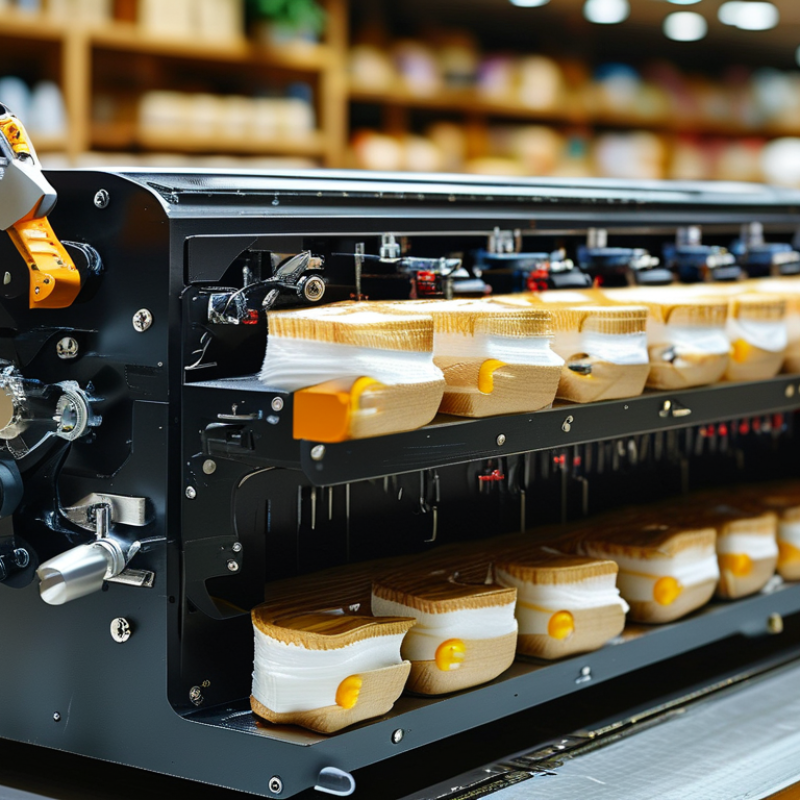
When evaluating automatic diaper packing machines in 2023, buyers should consider key features that enhance efficiency and reliability. One critical aspect is the machine's speed, which significantly impacts production output. According to industry reports, high-speed machines can pack up to 300 diapers per minute. This capability is essential for meeting growing market demands without sacrificing quality.
Another vital feature is user-friendly operation. Machines equipped with intuitive interfaces require less training for operators. Many manufacturers focus on creating designs that allow easy adjustments. For instance, quick-change systems can reduce downtime during product size transitions. The importance of user experience is evident, as studies show that ease of operation correlates with lower error rates.
Moreover, energy efficiency has become a priority in 2023. With rising energy costs, machines that consume less power while maintaining performance are highly sought after. Some packing machines can operate with up to 30% less energy compared to older models. This aspect not only cuts operational costs but also contributes to sustainability efforts. Reflecting on these features can lead buyers to better investment decisions in the evolving landscape of diaper manufacturing.
Speed and efficiency are crucial in the diaper packing industry. Automated machines significantly reduce packing time. This translates to increased production rates. A faster machine can handle larger volumes without sacrificing quality. As a result, manufacturers can meet rising market demands more effectively.
Investing in the right features of an automatic diaper packing machine is essential. Capacity for quick adjustments or changes is key. Machines that are difficult to adjust may lead to downtime. Efficiency can also be hampered if the machine isn’t user-friendly. Operators must be able to troubleshoot minor issues quickly. Proper training is critical to maximize efficiency, but it requires an ongoing commitment from management.
However, not all machines are designed with speed in mind. Some may prioritize cost savings over efficiency. This can lead to greater long-term costs. There should be a balance between cost, speed, and quality. Buyers must carefully evaluate the features offered. Making uninformed decisions can result in disappointing performance. Ensuring that the machine meets both current and future needs should be a priority.
In diaper packaging, precision accuracy is paramount. A small error can lead to significant quality issues. An automatic diaper packing machine must consistently deliver accurate measurements. This accuracy impacts the product's fit and absorbency. Inconsistent packaging can result in waste and increased production costs.
Evaluating this precision involves examining various machine features. Sensors play a vital role in monitoring the packaging process. They provide real-time feedback and adjustments. The reliability of these sensors can significantly affect output. Regular maintenance of these components is crucial to ensure seamless operation. However, even with advanced technology, human oversight remains essential. Operators must be trained to identify inconsistencies.
Quality control is not simply a checkbox in production; it requires continuous evaluation. Manufacturers should scrutinize every batch for precision issues. This practice helps in maintaining high standards. It may also uncover patterns that indicate underlying problems. Reflecting on these aspects can lead to improvements in both machinery and processes.
When selecting an automatic diaper packing machine, user-friendliness is essential. A well-designed interface can greatly enhance the user experience. Intuitive controls allow operators to navigate the system easily. Clearly labeled buttons and a readable display lead to efficient operation. However, some machines still lack these essential features. A complicated interface can lead to operational delays and frustrations.
Operation simplification is another crucial aspect. Some machines offer step-by-step guided procedures. This feature aids less experienced operators in understanding the machine's functions. Yet, many systems still rely heavily on manual instructions. Such dependence can hinder productivity. A robust machine should include both visual cues and auditory signals to guide users effectively.
Training users on new machinery can be a challenge. Regular feedback from operators is important for continuous improvement. Companies must prioritize user needs to enhance machine efficiency. Investing time in ease-of-use design leads to smoother operations. Ultimately, the balance between advanced technology and simplicity determines overall satisfaction in using these machines.
Investing in advanced automatic diaper packing machines can significantly improve efficiency. However, this requires careful cost versus benefit analysis. These machines streamline operations, saving time and reducing labor costs. They enhance production rates, allowing businesses to meet supply demands more effectively. But, the initial investment can be substantial.
It's essential to evaluate the long-term savings against upfront costs. Downtime due to machine issues can disrupt production, leading to losses. Additionally, training staff to operate advanced machinery incurs more expenses. However, many companies report that automation often pays off in the long run.
Evaluate your production goals and budget accordingly. Consider seeking expert advice to make informed decisions. Balancing costs with operational needs is critical. Understanding the intricacies of machine features can guide buyers to the best choice. With careful research, businesses can find machines that align with their goals.
„Thanks to the LUVIR technology, the solder resist process could be switched directly from the previously used mask exposure to direct exposure. As an outstanding digital solution on the market, this technology has been able to demonstrate fast process times and superior quality on our certified conventional ink in production. This allowed us to fully digitize the solder mask process at low cost – without process or ink adjustments. An excellent benefit to our production in Rot am See.“
Ralf Göhringer (Head of Production WE Rot am See)
I would definitely recommend the Limata machine and team for a future company purchase
Michael Greenaway
Compunetics Inc.
“The Limata ldi has been amazing!! Best thing we did was buy this machine”
Richard Brady
GM
Circuitlabs
“Since 2019, we have been running the Limata X1000 LDI system (including LUVIR for solder mask imaging) in daily production as an addition to our current process with film. The machine was capable of properly exposing Taiyo PSR-4000 BN (DI) solder mask types on normal to high-copper boards using a new and unique direct imaging process. The machine operating interface is very user friendly which allowed for a quick technical training curve. The pre-registration processing reduced several seconds of production time at every print. Limata support and service staff is incomparable. They supported our team every step of the way at basically any time of the day or night, with literally, an immediate response time, customizing the software interface to best fit our Operations and needs.
We have exposed more than 8,000 prints since end of October, on various solder mask colors and some resist film panels. Limata, has proven to be very capable and innovative. They are a strong contender in the industry.
We have very much enjoyed this project, and working with the team!
Thank you Limata for the continued support and being a part of our growth.”
Bill Sezate
Vice President, GM
Summit Interconnect
As a replacement to our current contact exposure process with film, the LIMATA X2000 system including LUVIR-Technology was capable of properly exposing non-LDI solder mask types using a direct imaging process. The machine offers cutting edge software with a very intuitive operating interface which allowed for quick technician training curve. The dual drawer system combined with pre-registration processing reduced several seconds of production time at every machine cycle. Limata support and service staff is world class. They added software patches to keep production running at shortest possible response times, customized the software interface to best fit our in-house Operations system, and even wrote a step-by-step machine processing manual. As a result of the project, we have exposed more than 16,000 times on various product types and solder mask brands/colors. Limata, in a very short timeframe as a company, has definitely shown they are truly innovative and will be challenging the industry of direct imaging for the top spot.
Kevin Beattie
Process Engineer
TTM Technologies
Forest Grove Division
