As industries evolve, the need for effective separation solutions has never been more critical. Belt Separators play a crucial role in many manufacturing processes. They ensure efficient separation of materials, improving productivity and reducing waste. This guide explores top belt separator options available in 2026.
Buyers face many choices regarding belt separators. Understanding different types can be daunting. Features vary widely among models, impacting performance and cost. Buyers should focus on quality and durability when selecting a belt separator. This decision can ultimately influence operational efficiency.
Investments in belt separators are significant. A wrong choice may lead to costly downtime and maintenance. Therefore, evaluating options carefully is essential. Insightful research is necessary to navigate this complex market. By staying informed, businesses can make smarter decisions tailored to their specific needs.
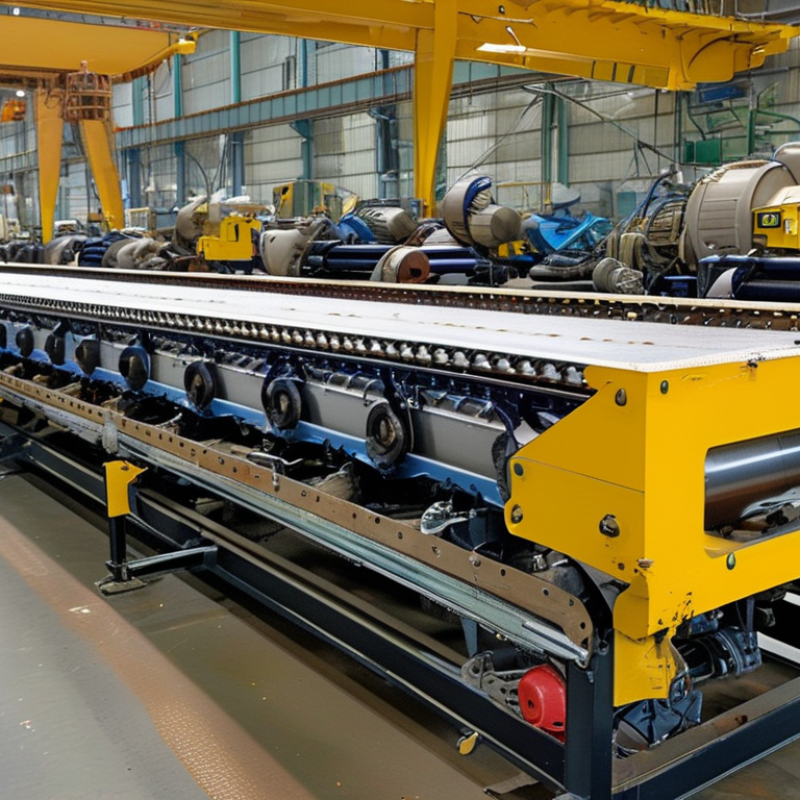
As we look ahead to 2026, belt separator technology is evolving rapidly. Emerging trends indicate a shift toward smarter, more efficient operations. Automation is leading the charge, allowing separators to adjust dynamically based on material characteristics. This adaptability can improve efficiency and reduce waste.
Another significant trend is the integration of advanced materials. Lightweight and durable materials are becoming more prevalent in separator design. These innovations enhance performance and longevity. However, the challenge lies in balancing cost and quality. Buyers must assess long-term durability versus initial investment.
Data analytics is playing an increasing role as well. Real-time monitoring provides insights into operational efficiency. This technology allows operators to make informed decisions. While the benefits are clear, reliance on technology raises concerns about data security. Buyers should consider these factors when making purchasing decisions.
| Separator Type | Efficiency (%) | Cost ($) | Applications | Technology Trends |
|---|---|---|---|---|
| Electromagnetic Separator | 95 | 5,000 | Mineral Processing | Increased frequency of operation |
| Gravity Separator | 90 | 3,500 | Recycling, Food Production | Automation of separation process |
| Magnetic Separator | 92 | 4,200 | Mining, Metal Recovery | Smart monitoring technologies |
| Air Separator | 87 | 6,000 | Waste Management, Bulk Material | Integration with IoT solutions |
| Flotation Separator | 93 | 7,500 | Chemical Processing, Oil Recovery | Enhanced chemicals for better efficiency |
When selecting a belt separator in 2026, buyers should focus on specific features and specifications that enhance efficiency and functionality. According to a recent industry report, key factors such as the separator's design, material, and size significantly influence operational efficiency. A robust design often prolongs the separator's lifespan, minimizing maintenance costs. Additionally, the choice of material, such as high-density polyethylene (HDPE) or stainless steel, can affect durability and resistance to corrosion.
Buyers must also consider the separator's capacity and throughput. High-performance models can handle larger volumes, which is critical in high-demand environments. Reports indicate that separators with optimized airflows can improve material separation rates by up to 30%, thus enhancing productivity. It's essential to evaluate whether the separator meets your specific throughput needs to avoid potential bottlenecks in operations.
Tip: Always review user feedback and case studies from similar operations to ensure alignment with your requirements. This can help you understand any potential shortcomings or areas for improvement in the separator model you consider. Keep in mind that an initial investment in a quality separator can lead to long-term savings.
Tip: Request demos or trial periods when possible. This allows you to test the separator's performance in real-world conditions before committing to a purchase.
As the demand for belt separators continues to rise, market analysts project substantial growth in this sector by 2026. According to recent industry reports, the global belt separator market is expected to witness a compound annual growth rate (CAGR) of approximately 6.5% through the next five years. This growth is driven by increasing needs in waste management, recycling, and manufacturing industries.
Belt separators are essential for improving efficiency. They sort materials effectively, supporting sustainability initiatives. With a focus on cost-effective operations, industries are looking for innovative solutions. However, users must consider their specific needs and operational contexts when choosing belt separators. Many options exist, but not all suit every situation. Thus, careful evaluation is crucial. Research suggests that organizations often overlook the importance of maintenance and operator training, leading to underperformance over time.
Moreover, regional demand patterns are shifting. North America shows consistent growth, yet Asia-Pacific is emerging as a vibrant market. By 2026, it could account for 45% of global belt separator demand. As businesses adapt, they should remain agile. Adapting to new technologies and maintaining a skilled workforce are key. The evolving market landscape may present challenges, but it also offers unique opportunities for innovation and growth.
For buyers looking to invest in belt separators in 2026, understanding different options is essential. Various manufacturers offer unique models, each with distinct features. Buyers need to analyze their specific needs before making a decision. Some separators excel in efficiency, while others focus on durability. Many users report that separating capabilities can vary significantly depending on materials handled.
When comparing models, operators should pay attention to design and technology. Advanced models often incorporate innovations that enhance performance. Features like adjustable settings and user-friendly interfaces can make a significant difference in operation. However, not every model is ideal for all situations. Some users find that while a machine boasts powerful specifications, it may not suit their unique operational requirements.
It's crucial to evaluate customer feedback and expert reviews. While some products receive high ratings, they may not meet all expectations. Industry experts recommend prioritizing reliable sources of information. A thorough comparison of various options can help prevent costly mistakes. Understanding functionality, maintenance needs, and potential operational issues can lead to a more informed purchase decision.
The design of belt separators is evolving, focusing on environmental impact and sustainability. Modern designs are considering energy efficiency and resource conservation. Buyers must prioritize these factors when choosing a separator for their needs. Materials used in production should be recyclable or biodegradable. This reduces landfill waste and encourages a circular economy.
Tips: Look for units that use less energy and have lower emissions. Sustainable options might include components sourced from renewable materials. Assess the durability of separators; longer-lasting systems reduce the need for replacements.
It's crucial to reflect on the long-term effects of separation technology. Some designs may still rely on harmful materials. Neglecting this issue can lead to unintended environmental damage. Moreover, traditional practices might resist integrating innovation. This reluctance can inhibit progress toward sustainable solutions. As buyers, questioning practices can drive more responsible design in the industry.
„Thanks to the LUVIR technology, the solder resist process could be switched directly from the previously used mask exposure to direct exposure. As an outstanding digital solution on the market, this technology has been able to demonstrate fast process times and superior quality on our certified conventional ink in production. This allowed us to fully digitize the solder mask process at low cost – without process or ink adjustments. An excellent benefit to our production in Rot am See.“
Ralf Göhringer (Head of Production WE Rot am See)
I would definitely recommend the Limata machine and team for a future company purchase
Michael Greenaway
Compunetics Inc.
“The Limata ldi has been amazing!! Best thing we did was buy this machine”
Richard Brady
GM
Circuitlabs
“Since 2019, we have been running the Limata X1000 LDI system (including LUVIR for solder mask imaging) in daily production as an addition to our current process with film. The machine was capable of properly exposing Taiyo PSR-4000 BN (DI) solder mask types on normal to high-copper boards using a new and unique direct imaging process. The machine operating interface is very user friendly which allowed for a quick technical training curve. The pre-registration processing reduced several seconds of production time at every print. Limata support and service staff is incomparable. They supported our team every step of the way at basically any time of the day or night, with literally, an immediate response time, customizing the software interface to best fit our Operations and needs.
We have exposed more than 8,000 prints since end of October, on various solder mask colors and some resist film panels. Limata, has proven to be very capable and innovative. They are a strong contender in the industry.
We have very much enjoyed this project, and working with the team!
Thank you Limata for the continued support and being a part of our growth.”
Bill Sezate
Vice President, GM
Summit Interconnect
As a replacement to our current contact exposure process with film, the LIMATA X2000 system including LUVIR-Technology was capable of properly exposing non-LDI solder mask types using a direct imaging process. The machine offers cutting edge software with a very intuitive operating interface which allowed for quick technician training curve. The dual drawer system combined with pre-registration processing reduced several seconds of production time at every machine cycle. Limata support and service staff is world class. They added software patches to keep production running at shortest possible response times, customized the software interface to best fit our in-house Operations system, and even wrote a step-by-step machine processing manual. As a result of the project, we have exposed more than 16,000 times on various product types and solder mask brands/colors. Limata, in a very short timeframe as a company, has definitely shown they are truly innovative and will be challenging the industry of direct imaging for the top spot.
Kevin Beattie
Process Engineer
TTM Technologies
Forest Grove Division
