The importance of the Stamping Press Machine in manufacturing cannot be overstated. According to a report by Grand View Research, the global stamping market size was valued at USD 162.07 billion in 2021 and is projected to expand at a CAGR of 4.9% from 2022 to 2030. This growth reflects the rising demand for precision metal parts across various industries. Experts emphasize that choosing the right stamping press can greatly enhance operational efficiency. Dr. John Greene, a noted industry expert, states, "Investing in advanced stamping press technology not only improves productivity but also enhances product quality."
Global buyers are increasingly recognizing the benefits of modern stamping press machines. These machines not only provide cost efficiency but also lower waste rates. They enable manufacturers to produce intricate designs with high accuracy. Despite these benefits, many companies still rely on outdated technology, which can stall growth. Staying competitive requires adapting to new innovations. Acknowledging the importance of up-to-date equipment is vital for success in this evolving market. Adopting the right stamping press machine can be a crucial factor in ensuring long-term operational excellence.
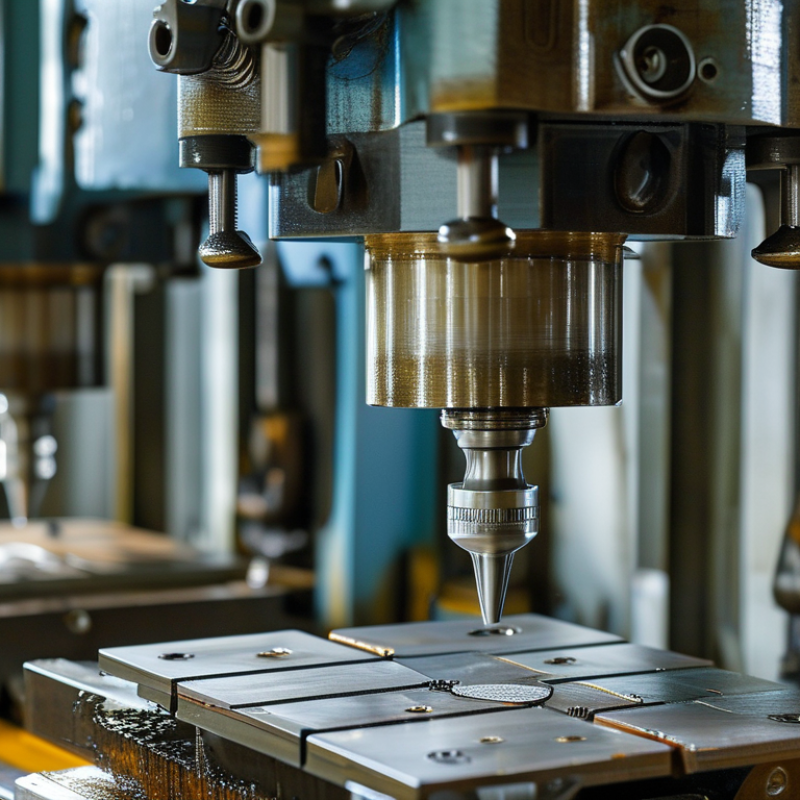
Stamping press machines play a critical role in enhancing manufacturing efficiency. According to a report by the Manufacturing Technology Association, efficient stamping processes can increase production speeds by up to 30%. This efficiency leads to significant cost savings for manufacturers. By automating the metal forming process, companies can reduce labor costs while improving precision and consistency.
Implementing stamping press machines reduces material waste. Studies indicate that precise stamping can decrease scrap rates by 15% or more. This not only minimizes costs but also contributes to more sustainable manufacturing practices. Buyers looking to enhance their operations should consider the long-term advantages, like lower operating expenses and higher throughput.
Tip: To maximize productivity, assess your production volume and select a stamping press machine that matches your specific needs. Regular maintenance is also essential to ensure optimal performance.
Investing in stamping technology can yield substantial returns. However, alongside benefits, challenges should not be overlooked. Machine setup, for instance, may require skilled labor and can lead to downtimes if not managed well. Continuous training and improvement of processes are key to overcoming these hurdles.
Stamping press machines have become a crucial asset for manufacturers worldwide. They not only enhance efficiency but also significantly cut production costs. According to a recent report by the Manufacturing Technologies Association, companies utilizing advanced stamping technology can reduce expenses by up to 30%. This reduction is largely due to increased automation and faster production cycles, which streamline workflows.
The initial investment in stamping press machines may seem high. However, their long-term benefits outweigh the costs. For instance, these machines can perform complex shapes with consistent precision, which minimizes waste. A study from the American Society of Mechanical Engineers revealed that minimizing scrap materials leads to savings of approximately $25,000 annually for mid-sized manufacturers. Such efficiency is vital in today's competitive market.
One must acknowledge potential challenges. Maintaining and operating advanced machinery requires skilled personnel. Not all manufacturers may find this transition seamless. Additionally, the learning curve can impact short-term productivity. Yet, as companies adapt, the long-term financial and operational efficiencies typically surpass initial setbacks, confirming the value of these machines in modern production environments.
Stamping press machines are vital in various industries due to their versatility and customization capabilities. They allow manufacturers to produce a wide range of components, from automotive parts to intricate electronic devices. The ability to tailor the machine settings to specific requirements enhances production efficiency. Small adjustments can lead to significant improvements in speed and precision.
Customization in stamping press machines often involves modifying tooling and dies to suit unique designs. This flexibility can accommodate different materials, such as metals and plastics. Not every company, however, has the resources to explore all customization options. Some may struggle with the integration of advanced features or the initial investment required for high-tech models.
Identifying the right balance between customization and practical use can be challenging.
Moreover, superior customization leads to better products but also demands thorough testing. Each design change calls for trial runs to ensure quality. This process can be time-consuming and costly. Buyers should be prepared to invest time in refining their processes. Engaging with experienced professionals for guidance can alleviate some concerns. Manufacturers must remain adaptable and open to continual improvement, as this fosters growth and innovation in production.
Stamping press machines are crucial for enhancing precision and quality in manufacturing. These machines deliver a level of accuracy that is often unmatched. According to a recent industry report, the tolerance levels in stamping operations can be as tight as ±0.005 inches. This precision reduces material wastage and optimizes production efficiency. In an era where quality assurance is critical, manufacturers are leaning towards stamping technology to meet stringent quality standards.
Moreover, stamping press machines provide a consistent output that greatly benefits production lines. A study indicated that companies utilizing advanced stamping technologies saw a 30% increase in production speed while maintaining quality. This increase in operational efficiency allows businesses to meet higher demand without sacrificing performance. However, achieving this level of consistency requires skill and regular maintenance of the machines. Neglect can lead to variances in output quality, which can be detrimental.
It's vital to acknowledge the need for skilled technicians to operate these machines effectively. Their expertise ensures the machines function optimally, which directly impacts product quality. Though automation has advanced, human oversight remains essential to mitigate errors. Overall, while stamping press machines edge closer to perfection, challenges in operational training and maintenance persist.
| Benefit | Description | Impact on Production | Cost Efficiency |
|---|---|---|---|
| Enhanced Precision | Allows high accuracy in metal stamping processes | Reduces material waste and improves fit and finish | Lower scrap rates lead to cost savings |
| Improved Quality | Produces consistent and reliable parts | Enhances overall product quality and customer satisfaction | High-quality output can justify premium pricing |
| Higher Efficiency | Fast cycles and reduced setup times | Increases production throughput | Maximizes resource utilization |
| Versatility | Can be used for various materials and complex shapes | Supports diverse production needs | Offers flexibility to meet changing market demands |
| Reduced Labor Costs | Automation minimizes manual intervention | Less workforce needed for operations | Significant savings in labor expenses |
The environmental impact of stamping press machines is significant in today's manufacturing landscape. Energy efficiency plays a critical role. According to a recent report, modern stamping presses can reduce energy consumption by up to 30% compared to older models. This translates to lower operational costs and reduced carbon footprints.
Furthermore, sustainability in manufacturing is becoming a necessity. Many companies now prioritize machines that use eco-friendly materials and processes. A study indicated that implementing efficient stamping technology can cut waste by nearly 25%. This reduction in waste not only helps the environment but also enhances material utilization.
When manufacturers invest in energy-efficient stamping presses, they contribute to global sustainability efforts. However, the challenges remain. New technologies may require higher upfront costs. Companies must balance these investments against long-term savings and environmental impact. As the industry evolves, a focus on green practices will continue to rise in importance.
„Thanks to the LUVIR technology, the solder resist process could be switched directly from the previously used mask exposure to direct exposure. As an outstanding digital solution on the market, this technology has been able to demonstrate fast process times and superior quality on our certified conventional ink in production. This allowed us to fully digitize the solder mask process at low cost – without process or ink adjustments. An excellent benefit to our production in Rot am See.“
Ralf Göhringer (Head of Production WE Rot am See)
I would definitely recommend the Limata machine and team for a future company purchase
Michael Greenaway
Compunetics Inc.
“The Limata ldi has been amazing!! Best thing we did was buy this machine”
Richard Brady
GM
Circuitlabs
“Since 2019, we have been running the Limata X1000 LDI system (including LUVIR for solder mask imaging) in daily production as an addition to our current process with film. The machine was capable of properly exposing Taiyo PSR-4000 BN (DI) solder mask types on normal to high-copper boards using a new and unique direct imaging process. The machine operating interface is very user friendly which allowed for a quick technical training curve. The pre-registration processing reduced several seconds of production time at every print. Limata support and service staff is incomparable. They supported our team every step of the way at basically any time of the day or night, with literally, an immediate response time, customizing the software interface to best fit our Operations and needs.
We have exposed more than 8,000 prints since end of October, on various solder mask colors and some resist film panels. Limata, has proven to be very capable and innovative. They are a strong contender in the industry.
We have very much enjoyed this project, and working with the team!
Thank you Limata for the continued support and being a part of our growth.”
Bill Sezate
Vice President, GM
Summit Interconnect
As a replacement to our current contact exposure process with film, the LIMATA X2000 system including LUVIR-Technology was capable of properly exposing non-LDI solder mask types using a direct imaging process. The machine offers cutting edge software with a very intuitive operating interface which allowed for quick technician training curve. The dual drawer system combined with pre-registration processing reduced several seconds of production time at every machine cycle. Limata support and service staff is world class. They added software patches to keep production running at shortest possible response times, customized the software interface to best fit our in-house Operations system, and even wrote a step-by-step machine processing manual. As a result of the project, we have exposed more than 16,000 times on various product types and solder mask brands/colors. Limata, in a very short timeframe as a company, has definitely shown they are truly innovative and will be challenging the industry of direct imaging for the top spot.
Kevin Beattie
Process Engineer
TTM Technologies
Forest Grove Division
