In today’s global market, Machinery Sourcing from China presents unique opportunities and challenges. With a vast array of products and suppliers, navigating this landscape requires careful consideration. Buyers must approach this endeavor with both strategy and caution.
Understanding the dynamics of machinery sourcing in China is crucial. Quality control, supplier reliability, and cultural nuances can significantly affect procurement outcomes. Engaging with suppliers can sometimes reveal gaps in communication and expectations, warranting a need for clear dialogue and trust-building. It's essential to do thorough background checks on manufacturers. Relying solely on online reviews may not provide the complete picture.
Ultimately, successful machinery sourcing demands a well-rounded approach. Developing relationships and leveraging local expertise can prove beneficial. Buyers must remain cautious and reflect on their sourcing process to maximize efficiency and mitigate risks.
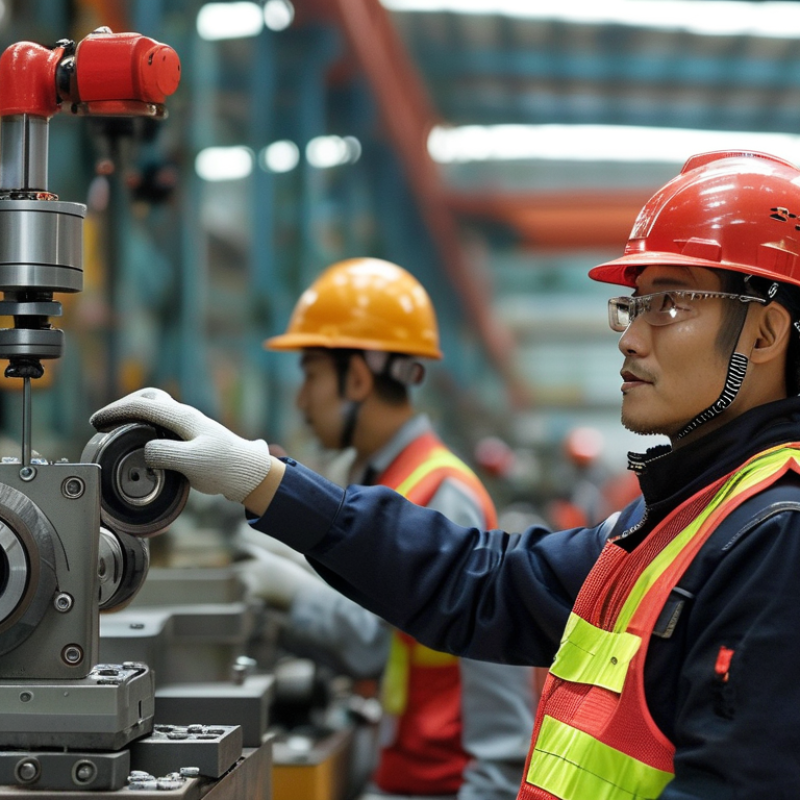
The Chinese machinery market is vast and multifaceted. Data from the China Machinery Industry Federation indicates that the market will exceed $400 billion by 2025. Buyers must understand key trends influencing this dynamic landscape. For instance, the demand for automation and smart machinery is expected to increase by 25% annually. This growth necessitates buyers to adapt and prioritize suppliers who invest in high-tech solutions.
Navigating this market presents challenges. Misalignment between buyer expectations and supplier capabilities may lead to dissatisfaction. A recent McKinsey report stated that 70% of international companies struggle with quality control when sourcing from China. Buyers need detailed supplier assessments to mitigate these risks. Additionally, language barriers can lead to misunderstandings. Engaging local experts can bridge these gaps and foster better communication.
The ever-evolving regulatory environment in China also warrants attention. New policies can impact production costs significantly. For example, a recent change in export tariffs affected certain machinery segments, leading to a 15% price increase. Buyers must stay informed and flexible to adapt to these changes. This awareness can drive strategic sourcing decisions that align with market dynamics.
Identifying reliable suppliers and manufacturers in China is crucial for global buyers. According to a report by IBISWorld, the machinery manufacturing industry in China has seen steady growth, with a projected annual growth rate of 4.5%. This indicates a competitive market where distinguishing between trustworthy suppliers and less reliable ones is necessary.
Start by verifying certifications. Many manufacturers claim compliance with international standards, but not all certification is equal. A recent survey indicated that only about 30% of Chinese manufacturers hold valid certifications recognized abroad. This statistic underscores the need for due diligence. Additionally, consider requesting samples before placing larger orders. This allows buyers to assess quality firsthand.
Networking can also provide insights into supplier reliability. Engage in industry expos, where direct interactions can reveal much about a company’s reputation. However, be aware that not all information is accurate. Misleading claims are common. A cautious approach, paired with thorough research, will help mitigate risks. Many buyers have found success by utilizing import-export consultants who specialize in the Chinese market.
Negotiating effectively for machinery procurement requires a strategic approach. According to a report by the International Trade Centre, about 70% of procurement professionals believe that effective negotiation can reduce costs significantly. Understanding local customs and communication styles in China is crucial. This enhances relationship-building and fosters trust, which are vital in the Chinese market.
Quality assurance and inspection are crucial in China sourcing. Many buyers overlook this vital aspect. It can lead to significant cost burdens later on. Understanding the standards, protocols, and procedures for quality assurance can save you time and money. Establish clear expectations with your suppliers upfront. Regular communication helps maintain these standards throughout the manufacturing process.
Inspection processes should not be treated lightly. Start with a pre-production inspection to ensure everything meets your specifications. This step can prevent costly errors before they occur. In-progress inspections are important to spot issues early. When goods are ready for final inspection, it’s essential to evaluate them meticulously. This stage can reveal hidden defects or production inconsistencies that may not have been evident earlier.
Documentation is equally important. Ensure that all inspections are recorded thoroughly. This practice creates a clear trail for accountability. Many buyers often skip this, leading to misunderstandings later. A lack of reliable documentation can derail the sourcing process. Regular audits of your suppliers can also reinforce quality compliance. In the long run, a strategic approach to quality assurance boosts your confidence in the sourcing process.
In the realm of machinery sourcing, leveraging technology can greatly enhance efficiency and communication. Many global buyers underestimate the power of digital tools. Advanced sourcing platforms and communication apps streamline the procurement process. They enable real-time collaboration and access to vital information. Buyers can analyze supplier performance metrics and market trends quickly. This leads to more informed decisions.
Utilizing virtual meetings can foster stronger relationships with Chinese manufacturers. High-quality video calls allow for clearer discussions about specifications and expectations. However, reliance on technology has its pitfalls. Miscommunications can arise from language barriers or cultural differences. Establishing clear guidelines and using visual aids can mitigate these issues.
Another important aspect involves thorough research. Buyers should explore various sourcing platforms. Engaging with industry forums can provide insights into reliable suppliers. Online reviews and existing client testimonials are valuable resources. Yet, not all feedback is credible; skepticism is essential. A well-rounded approach to sourcing technology can significantly enhance your efforts.
„Thanks to the LUVIR technology, the solder resist process could be switched directly from the previously used mask exposure to direct exposure. As an outstanding digital solution on the market, this technology has been able to demonstrate fast process times and superior quality on our certified conventional ink in production. This allowed us to fully digitize the solder mask process at low cost – without process or ink adjustments. An excellent benefit to our production in Rot am See.“
Ralf Göhringer (Head of Production WE Rot am See)
I would definitely recommend the Limata machine and team for a future company purchase
Michael Greenaway
Compunetics Inc.
“The Limata ldi has been amazing!! Best thing we did was buy this machine”
Richard Brady
GM
Circuitlabs
“Since 2019, we have been running the Limata X1000 LDI system (including LUVIR for solder mask imaging) in daily production as an addition to our current process with film. The machine was capable of properly exposing Taiyo PSR-4000 BN (DI) solder mask types on normal to high-copper boards using a new and unique direct imaging process. The machine operating interface is very user friendly which allowed for a quick technical training curve. The pre-registration processing reduced several seconds of production time at every print. Limata support and service staff is incomparable. They supported our team every step of the way at basically any time of the day or night, with literally, an immediate response time, customizing the software interface to best fit our Operations and needs.
We have exposed more than 8,000 prints since end of October, on various solder mask colors and some resist film panels. Limata, has proven to be very capable and innovative. They are a strong contender in the industry.
We have very much enjoyed this project, and working with the team!
Thank you Limata for the continued support and being a part of our growth.”
Bill Sezate
Vice President, GM
Summit Interconnect
As a replacement to our current contact exposure process with film, the LIMATA X2000 system including LUVIR-Technology was capable of properly exposing non-LDI solder mask types using a direct imaging process. The machine offers cutting edge software with a very intuitive operating interface which allowed for quick technician training curve. The dual drawer system combined with pre-registration processing reduced several seconds of production time at every machine cycle. Limata support and service staff is world class. They added software patches to keep production running at shortest possible response times, customized the software interface to best fit our in-house Operations system, and even wrote a step-by-step machine processing manual. As a result of the project, we have exposed more than 16,000 times on various product types and solder mask brands/colors. Limata, in a very short timeframe as a company, has definitely shown they are truly innovative and will be challenging the industry of direct imaging for the top spot.
Kevin Beattie
Process Engineer
TTM Technologies
Forest Grove Division
