China has become a practical sourcing base for Maocai products, seasonings, and foodservice solutions. Yet finding the “best” supplier requires more than comparing prices. Product consistency, ingredient transparency, production capacity, and export experience deserve careful review. The answer is rarely obvious.
This guide examines Chinese Maocai suppliers for international buyers planning Maocai Business Expansion. It considers factory qualifications, food safety systems, traceability records, packaging options, and private-label support. Reliable suppliers should provide clear specifications, batch information, samples, and realistic production timelines. Buyers should also check whether facilities follow recognized food safety standards and meet destination-market requirements. A polished website is not enough.
Taste must remain stable after shipping, storage, and preparation. A sample may perform well in a restaurant kitchen, then change during larger production. That risk deserves attention. Buyers can request pilot orders, compare several batches, and review feedback from established customers. Freight conditions matter too. Temperature control, moisture protection, carton strength, and customs documentation can affect the final result. Even experienced teams sometimes overlook secondary packaging.
The strongest supplier relationships develop through transparent communication and measurable expectations. Discuss minimum order quantities, lead times, payment terms, quality inspections, and complaint procedures before signing agreements. Regional preferences may also influence spice levels, oil content, and serving formats. No shortlist is perfect. However, disciplined verification can reduce avoidable costs and support steady growth. This introduction provides a practical starting point for evaluating China’s Maocai suppliers with greater confidence, professionalism, and long-term commercial judgment.
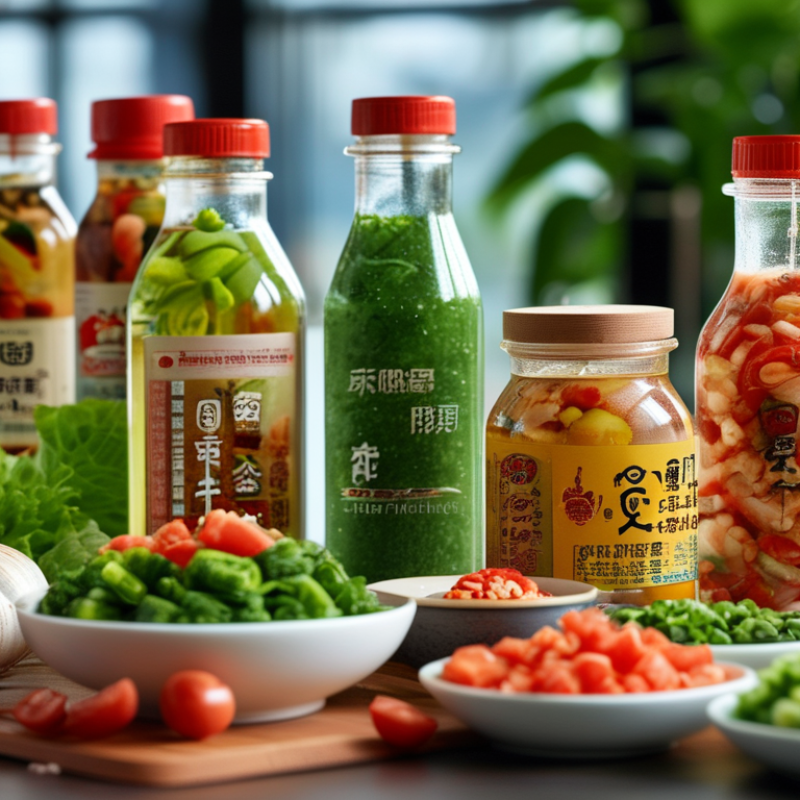
Maocai is a Chinese one-pot meal built around a deeply seasoned broth. Customers choose vegetables, tofu, noodles, meat, or seafood from a counter. Staff cook these ingredients together and serve them hot in a bowl. The experience feels personal because every order can be adjusted. Spice level, portion size, and ingredient combinations vary with each customer.
Its global growth comes from flexibility. A small kitchen can create many menu options without storing dozens of finished dishes. The warm broth also suits busy urban diners seeking a quick, filling meal. In overseas markets, operators often reduce chili heat and add local vegetables. That approach improves accessibility, but it can weaken the dish’s original character. Finding the right balance takes repeated tasting and honest customer feedback.
Reliable expansion requires more than an attractive menu. Suppliers should provide stable ingredients, clear specifications, and traceable cold-chain handling. Kitchens need separate controls for raw meat, seafood, and ready-to-eat items. Allergen information must match local rules. In practical trials, one missing ingredient can disrupt service during a busy evening. Staff training matters just as much. Maocai looks simple, yet broth consistency depends on measured seasoning, cooking time, and daily quality checks. Some early plans may overfocus on speed. That mistake deserves review. Grinders, stockpots, and packaging should support food safety without removing the dish’s handmade feeling.
Maocai is a Sichuan-style one-pot meal in which customers choose ingredients that are cooked in a spicy, numbing broth. Its customizable format, fast preparation, and compatibility with takeaway and delivery models support international expansion.
The chart uses estimated 2023 urban population figures, rounded in billions, as a practical proxy for potential customer density in selected expansion markets. Source: United Nations World Urbanization Prospects 2023 and World Population Prospects 2022.
Reliable maocai suppliers in China should offer more than attractive quotations. They need stable recipes, documented ingredient sources, and repeatable production results. During supplier checks, request factory photos, production records, and recent inspection reports. A trustworthy supplier can explain spice ratios, oil handling, allergen controls, and shelf-life testing without vague promises. Sample batches matter. The flavor should remain consistent after transport and reheating. Packaging also deserves attention, especially seal strength, labeling space, and cold-chain requirements.
Tips: Ask for a small trial order before signing a large contract. Compare three batches, not one. Check whether the supplier provides ingredient specifications, batch numbers, export documents, and clear complaint procedures. Confirm production capacity during peak seasons. Communication speed is useful, but technical answers matter more. A supplier who admits a limitation may be safer than one promising everything.
From practical sourcing experience, dependable suppliers usually maintain clean work zones and traceable records. They also assign a contact who understands overseas documentation and changing customer preferences. However, factory size alone proves little. I once treated polished facilities as proof of quality, and that judgment was too quick. A better review combines on-site observation, laboratory results, customer references, and trial-order performance. Some suppliers may still need improvement in response time or packaging design. That is acceptable when they document corrective actions and follow through. Reliable cooperation grows through evidence, not impressive words.
How to Evaluate China’s Maocai Suppliers
A reliable maocai supplier should show more than attractive product photos. Request a current business license, factory address, production capacity, and export experience. Ask for ingredient specifications, allergen declarations, shelf-life data, and recent laboratory reports. Test samples under realistic cooking conditions. Check flavor strength, oil separation, texture, packaging, and batch consistency. Ask for evidence.
Factory hygiene deserves direct attention. Review cleaning records, pest-control procedures, water quality, and staff training. If possible, arrange a video inspection or independent factory audit. Confirm whether the supplier can trace every batch to its raw materials. Strong suppliers usually provide production dates, lot numbers, storage guidance, and recall procedures. A polished website proves little.
Evaluate communication as carefully as the product. The sales team should answer technical questions clearly and provide complete quotations. Confirm minimum order quantities, lead times, packaging options, payment terms, and shipping responsibilities. Check whether documents meet the destination market’s food and labeling requirements. Requirements differ by country. Do not assume one certificate covers every market. A common mistake is trusting the first successful sample too quickly. Request repeated samples from different batches. Even careful checks can miss seasonal changes in ingredients, so build inspection points into the purchasing agreement.
Global maocai sourcing requires more than comparing factory prices. Buyers should inspect ingredient origins, processing records, and export experience. A practical audit checks broth, spice mixes, vegetables, proteins, and packaging separately. Request lot codes, allergen declarations, laboratory results, and recent corrective-action records. Food should remain traceable from production room to shipping carton.
Temperature control deserves close attention. Use calibrated probes at receiving, storage, and loading. Keep digital records, not handwritten promises. The FAO’s State of Food and Agriculture 2023 reported that 13.2% of food was lost globally between harvest and retail in 2021. Better forecasting and smaller production batches can reduce waste. Still, many suppliers measure factory temperatures well but neglect transport data. That gap needs testing.
International compliance must match each destination market. Review permitted additives, allergen rules, nutrition labels, language requirements, and facility registration before ordering. Codex Alimentarius guidance supports hygienic design, hazard analysis, and validated controls. The UNEP Food Waste Index Report 2024 estimated 1.05 billion tonnes of food waste in 2022, showing why safe shelf-life planning matters. A supplier should provide a recall procedure, mock-traceability results, and evidence of microbiological monitoring. Perfect audits are unrealistic. Honest records matter more than polished presentations.
China’s catering revenue reached 5.57 trillion yuan in 2024, according to China’s National Bureau of Statistics. This growth supports broader demand for standardized Maocai ingredients and preparation systems. Yet export success requires more than attractive pricing. A supplier should provide batch records, allergen information, ingredient specifications, and stable production schedules. Small details matter. For example, frozen ingredients need documented temperature controls from factory loading to overseas delivery.
Food safety must remain the partnership’s foundation. The World Health Organization estimates that unsafe food causes about 600 million illnesses annually worldwide. Responsible suppliers should maintain HACCP-based procedures, traceable raw materials, sanitation records, and clear corrective-action processes. International buyers should request independent testing and verify whether production documents match actual factory practices. Paperwork alone is not enough.
A strong partnership also needs practical communication. Buyers can begin with a limited trial order, compare cooking performance, and measure waste after preparation. Regular video audits may reveal storage congestion, labeling gaps, or inconsistent portion sizes. Payment terms should reflect inspection milestones and delivery performance. No supplier is perfect. Even experienced teams can overlook regional taste differences, customs requirements, or changing freight conditions. A written improvement plan keeps disagreements specific and manageable. The best supplier is not always the cheapest; it is the one that shares evidence, responds quickly, and improves after problems appear.
„Thanks to the LUVIR technology, the solder resist process could be switched directly from the previously used mask exposure to direct exposure. As an outstanding digital solution on the market, this technology has been able to demonstrate fast process times and superior quality on our certified conventional ink in production. This allowed us to fully digitize the solder mask process at low cost – without process or ink adjustments. An excellent benefit to our production in Rot am See.“
Ralf Göhringer (Head of Production WE Rot am See)
I would definitely recommend the Limata machine and team for a future company purchase
Michael Greenaway
Compunetics Inc.
“The Limata ldi has been amazing!! Best thing we did was buy this machine”
Richard Brady
GM
Circuitlabs
“Since 2019, we have been running the Limata X1000 LDI system (including LUVIR for solder mask imaging) in daily production as an addition to our current process with film. The machine was capable of properly exposing Taiyo PSR-4000 BN (DI) solder mask types on normal to high-copper boards using a new and unique direct imaging process. The machine operating interface is very user friendly which allowed for a quick technical training curve. The pre-registration processing reduced several seconds of production time at every print. Limata support and service staff is incomparable. They supported our team every step of the way at basically any time of the day or night, with literally, an immediate response time, customizing the software interface to best fit our Operations and needs.
We have exposed more than 8,000 prints since end of October, on various solder mask colors and some resist film panels. Limata, has proven to be very capable and innovative. They are a strong contender in the industry.
We have very much enjoyed this project, and working with the team!
Thank you Limata for the continued support and being a part of our growth.”
Bill Sezate
Vice President, GM
Summit Interconnect
As a replacement to our current contact exposure process with film, the LIMATA X2000 system including LUVIR-Technology was capable of properly exposing non-LDI solder mask types using a direct imaging process. The machine offers cutting edge software with a very intuitive operating interface which allowed for quick technician training curve. The dual drawer system combined with pre-registration processing reduced several seconds of production time at every machine cycle. Limata support and service staff is world class. They added software patches to keep production running at shortest possible response times, customized the software interface to best fit our in-house Operations system, and even wrote a step-by-step machine processing manual. As a result of the project, we have exposed more than 16,000 times on various product types and solder mask brands/colors. Limata, in a very short timeframe as a company, has definitely shown they are truly innovative and will be challenging the industry of direct imaging for the top spot.
Kevin Beattie
Process Engineer
TTM Technologies
Forest Grove Division
