In the ever-evolving solar energy market, "Clamp Solar Panel" systems are gaining traction among global consumers. As physical infrastructure evolves, experts are highlighting the importance of adaptability in installation methods. According to Dr. Emily Reagan, a leading solar energy analyst, "Clamp systems provide flexibility that traditional mounting methods lack." This flexibility allows for easier adjustments and improved aesthetics.
As buyers explore their options, understanding the diverse applications of clamp solar panels is crucial. Many consumers may overlook the importance of material quality and durability. Not all clamp systems are created equal, leading to significant variances in performance and longevity. Finding the right fit involves not just price, but also reliability and installation simplicity.
However, some challenges remain. The variety of clamp solar panel designs can overwhelm new buyers. Misunderstandings about specifications can lead to suboptimal choices. It’s essential for consumers to conduct thorough research and seek expert advice before making decisions. Investing in clamp solar panels can yield great benefits if done correctly.
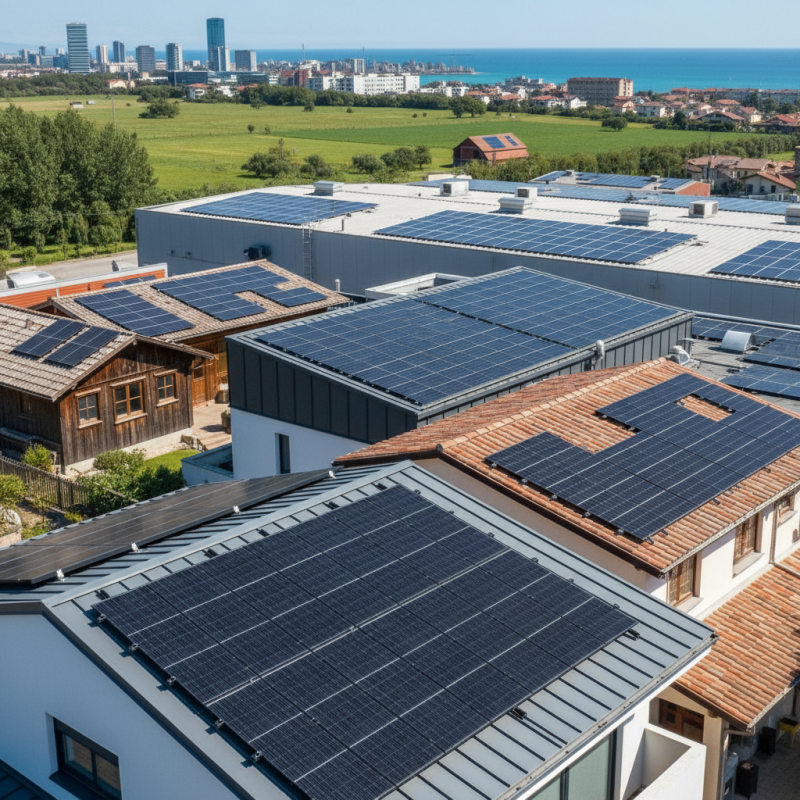
Clamp solar panel technology is gaining traction among energy enthusiasts. This innovation provides a secure mounting solution, facilitating installation and enhancing energy efficiency. Industry reports indicate that the global solar panel market is projected to reach $223 billion by 2026, emphasizing the growing importance of efficient installation methods.
Clamp systems offer several advantages, including reduced installation time and improved panel alignment. Professionals in the field have noted that these systems can cut installation time by up to 30%. This efficiency can lead to quicker project turnarounds and increased financial return on investments for both consumers and installers alike. However, the choice of materials used in clamps can significantly impact longevity and performance.
Tips: Always assess the durability of clamp materials. Aluminum and stainless steel are reliable choices, but they come with varying costs. Opt for clamps that offer corrosion resistance, especially in coastal areas. Regular maintenance checks are crucial. This ensures clamps remain secure and functioning as expected, preventing potential issues down the line.
Adjusting the tilt of panels based on seasonal changes can also maximize energy capture, an often-overlooked aspect in installations.
When selecting clamp solar panels, there are several key criteria to consider. First, you must assess the material quality. Panels made from high-grade aluminum are more durable and resistant to corrosion. According to the Solar Energy Industries Association (SEIA), corrosion can significantly reduce the lifespan of solar panels, making quality material essential for longevity.
Next, evaluate the clamping mechanism. A reliable clamp should ensure a secure fit to the mounting structure, minimizing movement. Movement can lead to vibration, causing stress and potential damage over time. Reports indicate that improper installation increases the risk of panel failure by up to 30%. Therefore, choosing clamps that provide stable support is crucial.
Another factor to consider is compatibility with various solar panel designs. Some clamps are designed for standard panels, while others accommodate unique shapes. This flexibility is vital for optimizing installation in diverse environments. Lastly, examine the manufacturer's warranties. A warranty period of 15 years or more often indicates confidence in product reliability. While these criteria can guide your selection, remember that each project's unique conditions may also influence your decision.
Solar panels are evolving rapidly. Choosing the right clamp solar panel is crucial for efficiency. A 2022 report by SolarPower Europe highlights that the global solar market grew by 22%. This growth indicates an increasing reliance on photovoltaic technology. Understanding the features of top clamp solar panels can enhance performance.
Various types of clamps improve installation and durability. Bi-facial panel designs capture sunlight from both sides. This increases energy generation. Research shows bi-facial technology can boost output by 10-20%. However, improper installation may lead to performance issues. It's essential to consider the mounting surface and environmental factors.
Safety is a significant concern in solar installation. A recent study emphasizes that 15% of solar failures are due to inadequate clamps. Effective clamps must withstand harsh weather. Testing for wind load and snow load is vital. Buyers must look for certifications indicating reliability. Investing in high-quality clamps results in long-term benefits.
| Model | Power Output (W) | Efficiency (%) | Dimensions (mm) | Weight (kg) | Warranty (Years) |
|---|---|---|---|---|---|
| Model A | 350 | 20.5 | 1650 x 1000 x 35 | 18 | 25 |
| Model B | 330 | 19.8 | 1640 x 980 x 40 | 17.5 | 25 |
| Model C | 300 | 20.0 | 1655 x 999 x 36 | 19 | 30 |
| Model D | 325 | 21.2 | 1660 x 1010 x 37 | 18.7 | 25 |
| Model E | 360 | 22.1 | 1670 x 1020 x 35 | 19.2 | 25 |
| Model F | 340 | 20.3 | 1650 x 1005 x 32 | 17.8 | 20 |
| Model G | 380 | 21.5 | 1680 x 1000 x 34 | 20 | 30 |
| Model H | 310 | 19.5 | 1652 x 998 x 36 | 18.4 | 25 |
| Model I | 330 | 20.0 | 1665 x 1003 x 39 | 16.9 | 20 |
| Model J | 370 | 22.0 | 1675 x 1020 x 33 | 19.5 | 30 |
When it comes to selecting clamp solar panels, buyers have a range of options. Industry reports suggest that price and efficiency are crucial factors. Many high-efficiency panels have conversion rates exceeding 20%. However, these can come with higher upfront costs, which might not suit every budget. Featured panels often range from $200 to $500, varying greatly based on specifications and warranty periods.
The choice between lightweight and heavy-duty clamps is significant. Lightweight clamps tend to be easier to install but may lack durability compared to their heavier counterparts. According to a 2023 market analysis, the average lifespan of a solar panel is around 25 years, making durability essential. Buyers should consider materials and build quality to ensure harsh weather conditions do not compromise performance.
Tips: Always check certifications. This ensures panels meet industry standards. Consider local weather conditions when choosing models. Not all clamps perform equally in high winds or heavy snow. Backing each choice with research can prevent costly mistakes later.
The landscape of solar panel innovations is changing rapidly. Clamp solar panels are becoming a critical part of this transformation. These panels offer flexibility in terms of installation and efficiency. As technology advances, new materials make panels lighter and more durable. This reduces the complexity of installation while improving performance.
There’s a growing interest in automation and smart solutions. These innovations allow for real-time monitoring of energy output and system health. The integration of IoT devices also provides valuable data for users. However, challenges remain, such as compatibility and user adaptability. Many users find these technologies complex and sometimes overwhelming.
Next-gen clamp solar panels may incorporate advanced features like shape-shifting materials. This could enhance adaptability to diverse environments. Users might feel skeptical about these developments, as they push boundaries in design and application. The industry needs to address such concerns. Engaging with users and gathering feedback is vital. Failure to do so may hinder growth and trust in these innovations.
„Thanks to the LUVIR technology, the solder resist process could be switched directly from the previously used mask exposure to direct exposure. As an outstanding digital solution on the market, this technology has been able to demonstrate fast process times and superior quality on our certified conventional ink in production. This allowed us to fully digitize the solder mask process at low cost – without process or ink adjustments. An excellent benefit to our production in Rot am See.“
Ralf Göhringer (Head of Production WE Rot am See)
I would definitely recommend the Limata machine and team for a future company purchase
Michael Greenaway
Compunetics Inc.
“The Limata ldi has been amazing!! Best thing we did was buy this machine”
Richard Brady
GM
Circuitlabs
“Since 2019, we have been running the Limata X1000 LDI system (including LUVIR for solder mask imaging) in daily production as an addition to our current process with film. The machine was capable of properly exposing Taiyo PSR-4000 BN (DI) solder mask types on normal to high-copper boards using a new and unique direct imaging process. The machine operating interface is very user friendly which allowed for a quick technical training curve. The pre-registration processing reduced several seconds of production time at every print. Limata support and service staff is incomparable. They supported our team every step of the way at basically any time of the day or night, with literally, an immediate response time, customizing the software interface to best fit our Operations and needs.
We have exposed more than 8,000 prints since end of October, on various solder mask colors and some resist film panels. Limata, has proven to be very capable and innovative. They are a strong contender in the industry.
We have very much enjoyed this project, and working with the team!
Thank you Limata for the continued support and being a part of our growth.”
Bill Sezate
Vice President, GM
Summit Interconnect
As a replacement to our current contact exposure process with film, the LIMATA X2000 system including LUVIR-Technology was capable of properly exposing non-LDI solder mask types using a direct imaging process. The machine offers cutting edge software with a very intuitive operating interface which allowed for quick technician training curve. The dual drawer system combined with pre-registration processing reduced several seconds of production time at every machine cycle. Limata support and service staff is world class. They added software patches to keep production running at shortest possible response times, customized the software interface to best fit our in-house Operations system, and even wrote a step-by-step machine processing manual. As a result of the project, we have exposed more than 16,000 times on various product types and solder mask brands/colors. Limata, in a very short timeframe as a company, has definitely shown they are truly innovative and will be challenging the industry of direct imaging for the top spot.
Kevin Beattie
Process Engineer
TTM Technologies
Forest Grove Division
