As the manufacturing industry evolves, Die Punching Machines remain a critical component in production processes. These machines are known for their precision and efficiency in die-cutting various materials. In 2026, global buyers face numerous choices when selecting the right equipment for their needs.
Many factors influence this decision, such as machine durability, operational speed, and maintenance requirements. Buyers often struggle with the overwhelming options available, leading to uncertainty in their choices. It's important to assess both established brands and innovative startups. Doing so ensures that every potential buyer considers performance, design, and cost-effectiveness thoroughly.
Understanding the latest advancements in Die Punching Machines can empower buyers to make informed decisions. It is vital to evaluate reviews and expert opinions. This approach helps identify reliable machines that stand out in the competitive market. Drawing insights from experienced users enhances the selection process for buyers.
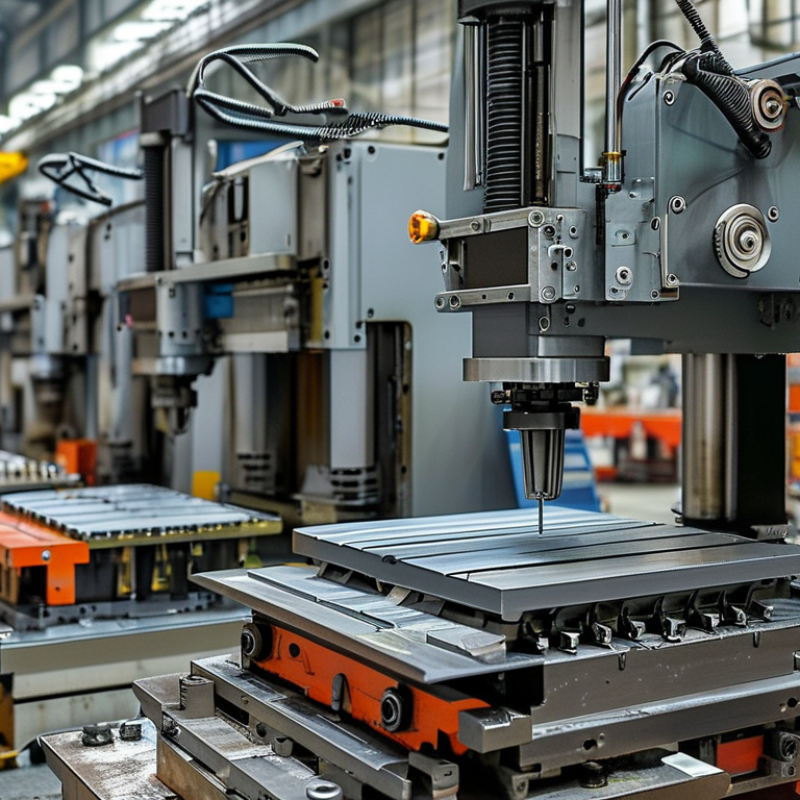
Die punching machines play a crucial role in various industries. They are essential for producing precise cuts in different materials. From metal to paper, these machines help create components, labels, and packaging. The demand for accuracy is high, making these machines indispensable.
The applications of die punching machines are vast. They are used in manufacturing, sign-making, and even in the fashion industry. For example, in packaging, these machines enhance production efficiency. Yet, operators must ensure proper maintenance to prevent malfunctions. A small oversight can lead to defects in production.
While die punching machines offer many benefits, there are also challenges. The initial investment can be significant. Additionally, operators need training to maximize effectiveness. Finding skilled personnel can be difficult, especially in niche markets. Therefore, companies must weigh the pros and cons carefully. Industry advancements continue to improve these machines, making them more user-friendly and versatile.
When selecting a die punching machine, buyers should focus on several key features. The machine's build quality is crucial. Robust materials lead to better durability and longevity. Look for machines that can withstand high production volumes without significant wear. A reliable machine saves costs in the long run.
Speed is another important factor. Some machines can operate at much faster speeds. However, high speed may affect precision. Balancing speed with accuracy is necessary. Operators should consider their specific production needs. Compatibility with various materials is also essential. Check if the machine can process different thicknesses and types of materials.
Tips: Inspect the machine's maintenance requirements. Some models need frequent upkeep, while others are low-maintenance. Efficiency can suffer when machines are hard to maintain. Also, ensure training resources are available. Staff should be well-versed in using the machines effectively. Investing time in training will pay off.
Don't overlook customer support services. A responsive support team can help troubleshoot issues effectively. Machines will face wear and tear, and having support can reduce downtimes. Choosing a machine is not just about function; it's about creating a solid support network.
In 2026, die punching machines will continue to play a crucial role in various industries. These machines, designed for precision cutting, have gained popularity due to their efficiency. Reliable brands dominate the market, each offering unique features. Users seek machines that deliver consistency and durability.
Among the top brands globally, innovation remains a driving force. Technology is rapidly evolving, and users must stay informed. Some brands struggle to keep pace with advancements, impacting their market presence. Buyers should consider service options and machine versatility when selecting a brand. The right choice depends on specific needs and production goals.
Investing in a die punching machine requires careful evaluation. Users should research user reviews and feedback. An informed choice can lead to enhanced productivity. However, some brands have had issues with quality control, which can jeopardize operations. A reliable machine can mean the difference between success and setbacks for many businesses.
Emerging technologies in die punching machines are reshaping the global market. As industries demand higher efficiency, manufacturers are integrating advanced automation into their processes. This allows for faster production times, reducing labor costs by up to 30%, according to recent industry reports. Automation can eliminate human error, leading to better quality control. However, the initial investment may be significant, posing a challenge for smaller entities.
Another notable innovation is the incorporation of smart technology. Real-time monitoring systems are becoming standard in die punching machines. These systems can collect data on machine performance, identifying potential malfunctions before they cause downtime. A report from a leading market research firm indicated that predictive maintenance could reduce maintenance costs by as much as 25%. Yet, many companies are still hesitant to adopt these technologies due to integration complexities and training requirements.
Sustainability is also a key focus. Many manufacturers are developing energy-efficient machines, which could cut energy consumption by 20% or more. However, the transition to green technologies often meets resistance due to upfront costs. Balancing sustainability and profitability remains an ongoing challenge for the industry. As these innovations continue to evolve, the landscape of die punching machines is set to change dramatically in the coming years.
| Machine Model | Max Punching Force (tons) | Sheet Thickness Capability (mm) | Cycle Time (seconds) | Energy Consumption (kW) | Key Features |
|---|---|---|---|---|---|
| Model A | 120 | 6 | 2.5 | 10 | Automated Feed System |
| Model B | 100 | 5 | 3 | 8 | Energy Efficient Design |
| Model C | 140 | 8 | 2.2 | 12 | User-Friendly Interface |
| Model D | 160 | 10 | 1.8 | 15 | Smart Technology Integration |
The global market for die punching machines is showing promising trends for 2026. According to recent industry reports, the demand for these machines is expected to rise significantly, driven by advancements in automation technology and the increasing need for precision in manufacturing. The market is projected to reach a valuation of over $2 billion by the end of 2026, reflecting a compound annual growth rate (CAGR) of around 5.3%.
Key sectors fueling this growth include automotive and packaging. These industries require efficient, high-speed machinery that can maintain quality in mass production. While the rise in demand is encouraging, there are challenges to address. Manufacturers must invest in R&D to enhance machine intelligence and adapt to evolving customer needs. There is also a growing emphasis on sustainability, pushing companies to consider energy-efficient solutions in their operations.
Moreover, the competitive landscape is shifting. Emerging markets are becoming crucial players in the die punching machine industry. Companies may face pressure to innovate and offer diverse solutions. An emphasis on customer feedback will be vital for understanding market needs. As buyers navigate these changes, they will need to balance cost-effectiveness with technological advancements. The journey ahead offers both opportunities and areas for reflection.
„Thanks to the LUVIR technology, the solder resist process could be switched directly from the previously used mask exposure to direct exposure. As an outstanding digital solution on the market, this technology has been able to demonstrate fast process times and superior quality on our certified conventional ink in production. This allowed us to fully digitize the solder mask process at low cost – without process or ink adjustments. An excellent benefit to our production in Rot am See.“
Ralf Göhringer (Head of Production WE Rot am See)
I would definitely recommend the Limata machine and team for a future company purchase
Michael Greenaway
Compunetics Inc.
“The Limata ldi has been amazing!! Best thing we did was buy this machine”
Richard Brady
GM
Circuitlabs
“Since 2019, we have been running the Limata X1000 LDI system (including LUVIR for solder mask imaging) in daily production as an addition to our current process with film. The machine was capable of properly exposing Taiyo PSR-4000 BN (DI) solder mask types on normal to high-copper boards using a new and unique direct imaging process. The machine operating interface is very user friendly which allowed for a quick technical training curve. The pre-registration processing reduced several seconds of production time at every print. Limata support and service staff is incomparable. They supported our team every step of the way at basically any time of the day or night, with literally, an immediate response time, customizing the software interface to best fit our Operations and needs.
We have exposed more than 8,000 prints since end of October, on various solder mask colors and some resist film panels. Limata, has proven to be very capable and innovative. They are a strong contender in the industry.
We have very much enjoyed this project, and working with the team!
Thank you Limata for the continued support and being a part of our growth.”
Bill Sezate
Vice President, GM
Summit Interconnect
As a replacement to our current contact exposure process with film, the LIMATA X2000 system including LUVIR-Technology was capable of properly exposing non-LDI solder mask types using a direct imaging process. The machine offers cutting edge software with a very intuitive operating interface which allowed for quick technician training curve. The dual drawer system combined with pre-registration processing reduced several seconds of production time at every machine cycle. Limata support and service staff is world class. They added software patches to keep production running at shortest possible response times, customized the software interface to best fit our in-house Operations system, and even wrote a step-by-step machine processing manual. As a result of the project, we have exposed more than 16,000 times on various product types and solder mask brands/colors. Limata, in a very short timeframe as a company, has definitely shown they are truly innovative and will be challenging the industry of direct imaging for the top spot.
Kevin Beattie
Process Engineer
TTM Technologies
Forest Grove Division
