As the global demand for dredging operations increases, the choice of equipment becomes critical. In 2026, dredging grab options will play a significant role in enhancing operational efficiency. Selecting the right dredging grab can lead to improved productivity and reduced costs. Various factors influence this choice, including design, material, and capacity.
Today, buyers must consider the diverse range of dredging grabs available in the market. Each option brings unique features tailored to specific needs. Quality and reliability are paramount. The performance of a dredging grab directly affects project timelines and completion rates. Therefore, understanding the benefits and limitations of each type is essential.
Navigating through the options can feel overwhelming. Industry experts suggest focusing on reputable manufacturers known for innovation. Additionally, reflecting on past experiences can help buyers make informed decisions. A well-chosen dredging grab can significantly impact the success of global dredging projects.
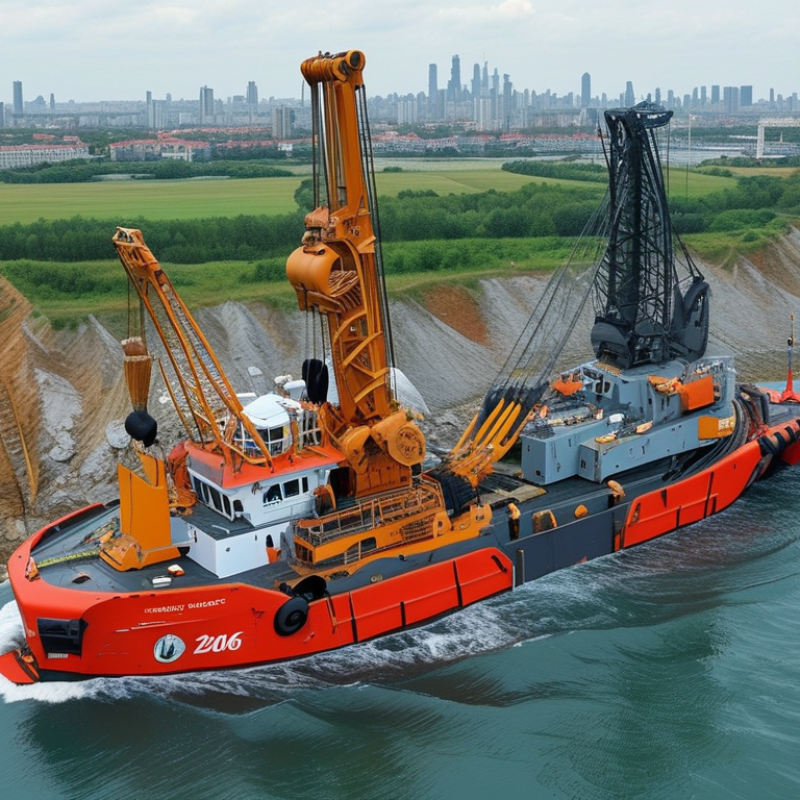
Selecting the right dredging grab is crucial for efficiency and productivity. In 2026, buyers should focus on several key factors. Material quality remains paramount, as grabs made from high-strength steel last longer and perform better under harsh conditions. Industry reports indicate that durable materials can increase lifespan by up to 30%. This translates to significant cost savings over time.
Another essential consideration is the grab capacity. Many projects now demand larger grabs for deeper and wider excavation. Grabs with capacities exceeding 20 cubic meters are becoming standard in large-scale dredging operations. However, larger capacity must be balanced with operational efficiency. Miscalculating the required size can lead to excessive wear and tear on equipment, ultimately affecting project timelines.
Additionally, environmental compliance is increasingly important. Regulations regarding noise and emissions are tightening globally. Grabs that minimize environmental impact are not just ethical choices; they are becoming a necessity. Buyers should also pay attention to ease of maintenance. Frequent repairs can disrupt workflow and inflate operational costs. Understanding these factors ensures informed decisions that lead to effective dredging operations.
Dredging grabs play a crucial role in various applications. Different types are suited for different tasks. For instance, the clamshell grab is common in construction. It’s efficient for digging and transporting materials. Its two halves open and close, allowing for precise control. This makes it ideal for challenging environments, like underwater excavation.
Another option is the grab bucket. This type is useful for handling dense materials. It can scoop heavy loads, making it valuable in mining operations. However, improper use may lead to operational inefficiencies. Operators need to adjust settings according to the material type.
In some cases, the hydraulic grab is favored for its versatility. It can handle a variety of materials, including soft sediments and hard substances. Yet, it demands careful handling to avoid damage. Users sometimes overlook maintenance, which can cause reliability issues. Understanding these distinctions helps buyers choose the right grab for specific jobs. Consideration of operation environment is essential in this decision-making process.
In the competitive dredging market, selecting the right grab for specific tasks is crucial. A recent industry report indicates the global dredging equipment market will exceed $15 billion by 2026. This growth emphasizes the importance of understanding various grab types available today. Popular grabs vary in design and function, each suited for different dredging conditions and materials.
When evaluating grab brands, consider their material handling capabilities. For instance, clamshell grabs excel in handling loose materials, while other designs are better for dense sediments. User feedback highlights that operational efficiency can differ, with some grabs performing better under challenging conditions. Prioritizing durability and maintenance is essential; a well-maintained grab can significantly enhance productivity.
Tip: Regular inspections of grabs prevent unforeseen breakdowns. Another important consideration is the size and weight of the grab. A heavy grab can increase operational costs, yet may be necessary for specific tasks. A proper balance is vital for efficiency. Assessing both the technical specifications and feedback from other users will help you make an informed decision.
The dredging industry is evolving rapidly. Innovative technologies are shaping how grabs perform in various environments. A report by the International Association of Dredging Contractors highlights that advancements in automation have the potential to increase productivity by up to 30%. Automated dredging grabs can operate more efficiently, requiring less manual intervention.
Furthermore, the integration of smart sensors allows for real-time data collection. This data serves to optimize performance and ensure precise handling of materials. According to market analyses, companies adopting these technologies are seeing a reduction in operational costs by about 15%. The move toward eco-friendly materials is also notable. Environmentally sustainable grabs can reduce ecological footprints during dredging operations, responding to global calls for greener practices.
However, the shift towards these innovations does not come without challenges. Many operators struggle with the initial costs of implementing such technologies. There can be a learning curve for the crew. Moreover, despite the clear advantages, some companies remain hesitant to fully embrace automation. It raises questions about reliability and the balance of human and machine interaction in dredging activities.
Dredging plays a critical role in maintaining waterways and enhancing navigation. However, its environmental impact is significant. Traditional dredging techniques often disrupt aquatic ecosystems, leading to water quality degradation. This results in the loss of local biodiversity, which raises substantial concerns.
Innovative dredging equipment is evolving to address these challenges. Sustainable design emphasizes reducing carbon emissions and minimizing habitat destruction. Eco-friendly materials are increasingly used in equipment production. Additionally, efficient dredging techniques limit sediment disturbance. These advancements demonstrate a commitment to balancing operational necessity with ecological responsibility.
Despite improvements, challenges remain. Some new technologies still carry potential risks. Ensuring that these advancements integrate seamlessly with local ecosystems is essential. Continuous evaluation is needed to measure their true environmental impact over time. As the industry grows, a proactive approach will be needed to safeguard aquatic habitats and promote sustainability in dredging practices.
| Dredging Grab Type | Capacity (m³) | Weight (kg) | Material | Sustainability Rating | Environmental Impact |
|---|---|---|---|---|---|
| Hydraulic Grab | 2.5 | 1200 | Steel | A+ | Low |
| Mechanical Grab | 3.0 | 1500 | Alloy Steel | A | Moderate |
| Electro-Hydraulic Grab | 2.8 | 1300 | Steel | A++ | Very Low |
| Clamshell Grab | 4.0 | 2000 | Carbon Steel | B | Moderate |
| Bucket Grab | 3.5 | 1600 | High Strength Steel | B+ | Low |
| Eco-friendly Grab | 2.2 | 1100 | Recycled Steel | A++ | Minimal |
| Dredging Pompanette | 3.0 | 1400 | Composite | A | Low |
| Grab with Silt Protection | 2.7 | 1250 | Steel | B | Moderate |
| Multi-Purpose Grab | 3.1 | 1550 | High Tensile Steel | A | Low |
| Custom Designed Grab | Varies | Varies | Varies | A++ | Very Low |
„Thanks to the LUVIR technology, the solder resist process could be switched directly from the previously used mask exposure to direct exposure. As an outstanding digital solution on the market, this technology has been able to demonstrate fast process times and superior quality on our certified conventional ink in production. This allowed us to fully digitize the solder mask process at low cost – without process or ink adjustments. An excellent benefit to our production in Rot am See.“
Ralf Göhringer (Head of Production WE Rot am See)
I would definitely recommend the Limata machine and team for a future company purchase
Michael Greenaway
Compunetics Inc.
“The Limata ldi has been amazing!! Best thing we did was buy this machine”
Richard Brady
GM
Circuitlabs
“Since 2019, we have been running the Limata X1000 LDI system (including LUVIR for solder mask imaging) in daily production as an addition to our current process with film. The machine was capable of properly exposing Taiyo PSR-4000 BN (DI) solder mask types on normal to high-copper boards using a new and unique direct imaging process. The machine operating interface is very user friendly which allowed for a quick technical training curve. The pre-registration processing reduced several seconds of production time at every print. Limata support and service staff is incomparable. They supported our team every step of the way at basically any time of the day or night, with literally, an immediate response time, customizing the software interface to best fit our Operations and needs.
We have exposed more than 8,000 prints since end of October, on various solder mask colors and some resist film panels. Limata, has proven to be very capable and innovative. They are a strong contender in the industry.
We have very much enjoyed this project, and working with the team!
Thank you Limata for the continued support and being a part of our growth.”
Bill Sezate
Vice President, GM
Summit Interconnect
As a replacement to our current contact exposure process with film, the LIMATA X2000 system including LUVIR-Technology was capable of properly exposing non-LDI solder mask types using a direct imaging process. The machine offers cutting edge software with a very intuitive operating interface which allowed for quick technician training curve. The dual drawer system combined with pre-registration processing reduced several seconds of production time at every machine cycle. Limata support and service staff is world class. They added software patches to keep production running at shortest possible response times, customized the software interface to best fit our in-house Operations system, and even wrote a step-by-step machine processing manual. As a result of the project, we have exposed more than 16,000 times on various product types and solder mask brands/colors. Limata, in a very short timeframe as a company, has definitely shown they are truly innovative and will be challenging the industry of direct imaging for the top spot.
Kevin Beattie
Process Engineer
TTM Technologies
Forest Grove Division
