As we look ahead to 2026, the beverage industry is undergoing exciting changes. Drink Pouches are gaining immense popularity for their convenience and eco-friendliness. This trend is transforming how consumers enjoy their drinks. From juices to smoothies, these pouches offer a portable solution for on-the-go lifestyles.
The rise of drink pouches reflects a demand for sustainable packaging. Brands are innovating with materials that are both functional and biodegradable. This shift not only caters to consumer preferences but also addresses environmental concerns. As we delve deeper into this trend, it becomes clear that design and usability are crucial.
However, questions remain about durability and cost-effectiveness. Some consumers may find themselves unsure about the quality of these new pouches. Balancing style with practicality can be challenging for manufacturers. By focusing on these aspects, the industry can push forward and meet evolving consumer needs while celebrating the potential of drink pouches.
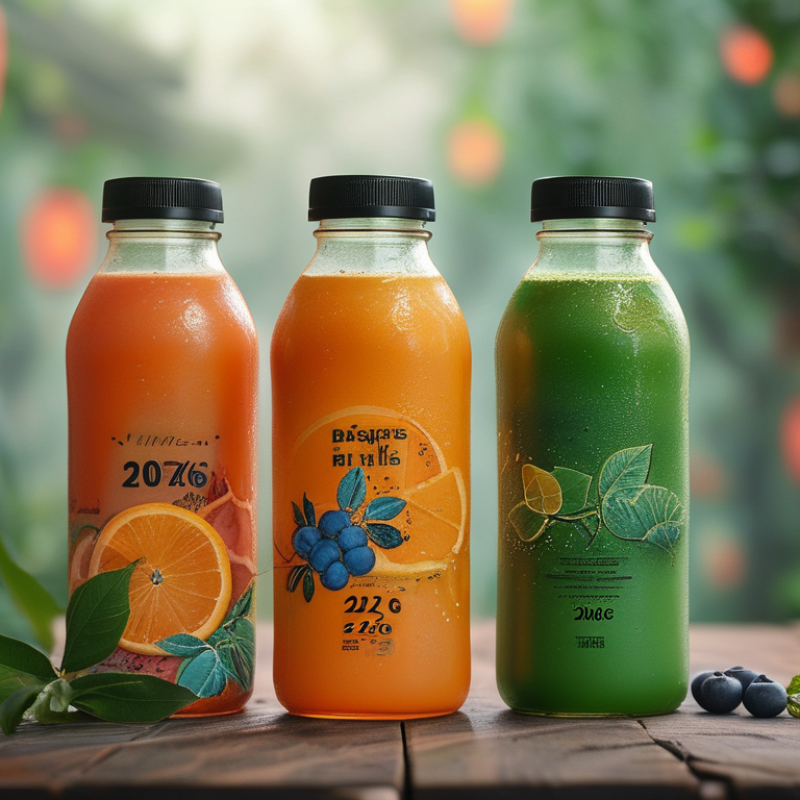
As we approach 2026, the drink pouch market is evolving. Emerging materials and designs are driving innovation in this segment. Sustainable packaging has become a key focus. According to a recent market report, biodegradable materials could see significant growth by 30% in the next three years. This shift addresses rising consumer demand for eco-friendly products.
New designs are also on the horizon. Sleeker, more ergonomic shapes are becoming popular. Research indicates that 45% of consumers prefer packaging that’s easy to hold and pour. This trend highlights the need for functionality alongside aesthetics. Brands are exploring transparent options that showcase product quality. The transparency trend fosters trust and takes advantage of visual appeal.
Tips for manufacturers: consider using recycled materials. This reduces waste and attracts environmentally conscious consumers. Additionally, test different designs to ensure usability. Prototyping can reveal unexpected flaws. Remember, innovation requires balancing practicality with sustainability. Embrace feedback to improve future iterations. The road to success may require revisiting concepts that fall short.
The drink pouch industry is increasingly influenced by sustainability trends. According to a recent report by Smithers, approximately 58% of consumers prefer brands that use eco-friendly packaging. This shift is pushing manufacturers to explore alternative materials and production processes. Innovations like biodegradable pouches and recyclable designs are on the rise. By 2026, we expect to see a significant increase in the use of post-consumer recycled materials in drink pouches.
Furthermore, reducing carbon footprints is becoming a key objective. A study by Grand View Research indicates that sustainable packaging could reduce greenhouse gas emissions in the beverage sector by up to 30% if widely adopted. This presents a clear opportunity for brands to enhance their market position while appealing to eco-conscious consumers. manufacturers are challenged to balance sustainability with functionality.
Tips: Consider sourcing local materials to reduce transportation emissions. Engage with suppliers who share your sustainability goals. Explore new technologies that enhance recyclability without compromising quality.
The landscape of drink pouches is changing rapidly, driven by technological innovations. Smart packaging is at the forefront, integrating sensors that track freshness and temperature. This helps consumers make informed choices. Imagine a pouch that signals when a beverage is best enjoyed cold. Such features enhance user experience, making drink pouches more appealing.
Biodegradable materials are also gaining traction. These advancements reduce environmental impact, appealing to eco-conscious consumers. While innovations are promising, some materials still struggle with durability. Balancing sustainability and functionality remains a challenge.
As drink pouches evolve, usability is a vital focus. Enhanced pouring mechanisms reduce spills, addressing common user frustrations. However, complicated designs can confuse users. Intuitive functionality is key as brands explore new shapes and sizes. The ongoing quest for better solutions in drink pouch design shows promise but also highlights areas for improvement.
The beverage packaging industry is shifting rapidly, reflecting changing consumer preferences. Sustainable materials are becoming a priority. Many consumers now seek eco-friendly options. Recyclable and biodegradable materials are gaining popularity. In 2026, brands will need to embrace this trend to win over eco-conscious customers.
Convenience remains key in beverage packaging. Easy-to-use drink pouches attract busy consumers. Lightweight designs and resealable options offer practicality. However, some consumers find certain pouch designs difficult to handle. Brands should pay attention to usability, ensuring their products are accessible for all.
Flavor variety is also an emerging trend. Consumers increasingly prefer unique and bold flavors. Packaging must highlight these offerings effectively. Yet, balancing creativity and clear communication can be challenging. Companies need to ensure their packaging conveys the right message to stand out in a crowded market.
The drink pouch market is evolving rapidly. In 2026, we will see a surge in eco-friendly options. Consumers are increasingly aware of environmental impacts. Brands will be pressured to offer sustainable materials. This shift reflects a broader trend towards sustainability in packaging.
Convenience remains a priority for consumers. Innovative designs that ensure easy pouring and resealing will attract attention. Expect to see more multifunctional pouches. They may combine beverage storage with features for on-the-go consumption. This approach could appeal to busy lifestyles.
Market predictions suggest a rise in flavored and functional drinks. Health-conscious choices will dominate. Pouches containing vitamins or electrolytes will gain traction. However, brands must ensure transparent labeling. Consumers want to understand what they consume. Balancing innovation with transparency is crucial for success.
„Thanks to the LUVIR technology, the solder resist process could be switched directly from the previously used mask exposure to direct exposure. As an outstanding digital solution on the market, this technology has been able to demonstrate fast process times and superior quality on our certified conventional ink in production. This allowed us to fully digitize the solder mask process at low cost – without process or ink adjustments. An excellent benefit to our production in Rot am See.“
Ralf Göhringer (Head of Production WE Rot am See)
I would definitely recommend the Limata machine and team for a future company purchase
Michael Greenaway
Compunetics Inc.
“The Limata ldi has been amazing!! Best thing we did was buy this machine”
Richard Brady
GM
Circuitlabs
“Since 2019, we have been running the Limata X1000 LDI system (including LUVIR for solder mask imaging) in daily production as an addition to our current process with film. The machine was capable of properly exposing Taiyo PSR-4000 BN (DI) solder mask types on normal to high-copper boards using a new and unique direct imaging process. The machine operating interface is very user friendly which allowed for a quick technical training curve. The pre-registration processing reduced several seconds of production time at every print. Limata support and service staff is incomparable. They supported our team every step of the way at basically any time of the day or night, with literally, an immediate response time, customizing the software interface to best fit our Operations and needs.
We have exposed more than 8,000 prints since end of October, on various solder mask colors and some resist film panels. Limata, has proven to be very capable and innovative. They are a strong contender in the industry.
We have very much enjoyed this project, and working with the team!
Thank you Limata for the continued support and being a part of our growth.”
Bill Sezate
Vice President, GM
Summit Interconnect
As a replacement to our current contact exposure process with film, the LIMATA X2000 system including LUVIR-Technology was capable of properly exposing non-LDI solder mask types using a direct imaging process. The machine offers cutting edge software with a very intuitive operating interface which allowed for quick technician training curve. The dual drawer system combined with pre-registration processing reduced several seconds of production time at every machine cycle. Limata support and service staff is world class. They added software patches to keep production running at shortest possible response times, customized the software interface to best fit our in-house Operations system, and even wrote a step-by-step machine processing manual. As a result of the project, we have exposed more than 16,000 times on various product types and solder mask brands/colors. Limata, in a very short timeframe as a company, has definitely shown they are truly innovative and will be challenging the industry of direct imaging for the top spot.
Kevin Beattie
Process Engineer
TTM Technologies
Forest Grove Division
