The demand for H2O2 Production Line solutions is on the rise globally. Hydrogen peroxide plays a vital role in various industries. It is used for bleaching, disinfection, and environmental applications. As industries grow, the need for efficient H2O2 production becomes critical.
This article explores top production line solutions tailored for diverse buyer needs. Recognizing the complexities of H2O2 production is essential. Different methods and technologies exist. Each has its unique advantages and challenges. Buyers must carefully consider their specific requirements.
Choosing the right H2O2 Production Line is not straightforward. There are many factors to assess: cost, efficiency, and sustainability. Buyers might face overwhelming options. It is crucial to rely on expert guidance. A well-informed choice can lead to significant growth and success in production capabilities.
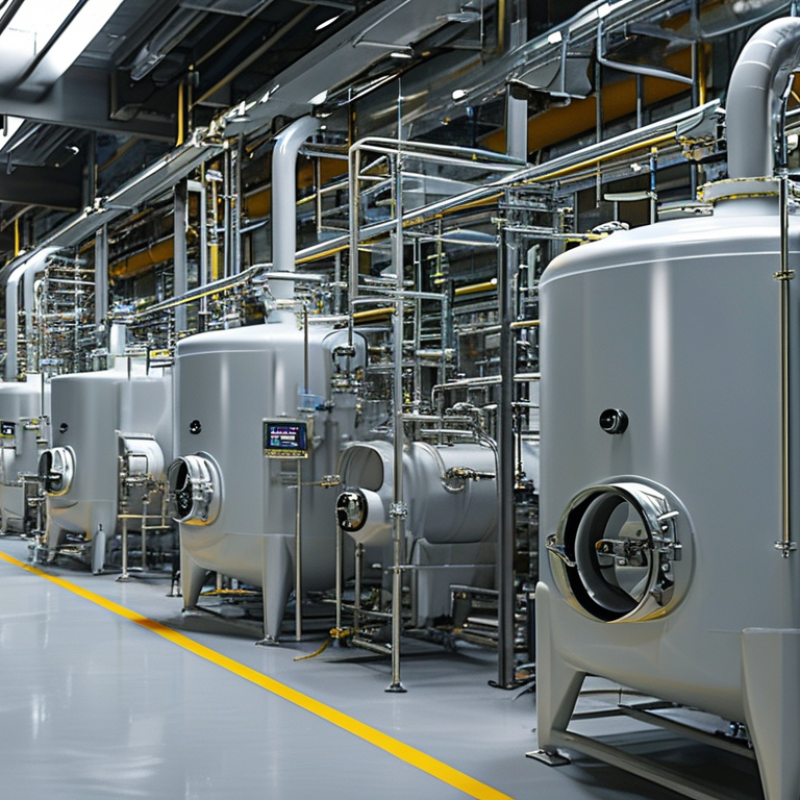
Hydrogen peroxide (H2O2) production lines play a crucial role in various industries. They are essential for manufacturing cleaning agents, bleaching materials, and propellants. The importance of these production lines goes beyond mere supply. They ensure a steady production of H2O2, which is vital for maintaining product quality.
The technology behind H2O2 production is complex. It involves intricate processes that can be difficult to navigate. Even small errors can lead to significant losses. Manufacturers must constantly adapt their methods due to fluctuating market demands. These challenges highlight the need for expertise in designing and operating production lines effectively.
In recent years, environmental concerns have prompted a shift in production practices. Companies are exploring more sustainable methods to reduce waste and energy consumption. This transition is not just beneficial for the planet; it's also a necessity for remaining competitive. A focus on eco-friendly production can drive innovation. However, implementing these practices often requires substantial investment and adjustment. Many companies are still grappling with this change. Reliable solutions are essential for overcoming these challenges.
Choosing the right hydrogen peroxide (H2O2) production solution is vital for businesses. It involves careful consideration of several key factors. The technology employed is crucial. Efficient processes can reduce waste and energy consumption. In recent years, advancements in catalysis technology have made significant impacts. They allow for better yield and lower operational costs.
Another important aspect is scalability. Producers should evaluate if the solution can grow with their needs. A flexible production line can adapt to fluctuations in demand. This flexibility can lead to improved profitability over time. Equipment reliability is also essential. Unplanned downtimes can disrupt operations and increase costs. Investing in high-quality machinery can minimize these risks.
Lastly, support and training from suppliers are vital. Good communication and technical assistance can enhance production operations. Staff training in safety and efficiency measures is equally important. However, finding a balance between cost, quality, and support may require some trial and error. Each production line comes with unique challenges, necessitating ongoing evaluation and adjustment.
Hydrogen peroxide (H2O2) is a vital chemical used across many industries. Its production technologies vary significantly. Understanding these variations is crucial for global buyers. The common production methods include the anthraquinone process and the hydrogen peroxide production from hydrogen and oxygen. Each has its advantages and limitations.
The anthraquinone process remains the most widely adopted. It involves the cyclic hydrogenation of anthraquinone, which makes it efficient for large-scale production. However, the process is not without challenges. It requires significant energy and water input. In addition, the recycling of catalysts can introduce complexity. This method appeals to manufacturers needing consistent quality and supply.
On the other hand, direct synthesis from hydrogen and oxygen is emerging as a viable alternative. This method is more environmentally friendly but requires careful control of conditions to avoid explosive reactions. Its scalability remains under evaluation, making it less reliable for large buyers. In exploring these technologies, decision-makers must weigh efficiency against safety and environmental impact. Adopting an ideal production line hinges on specific business needs and project requirements.
The demand for hydrogen peroxide (H2O2) is on the rise, thanks to its wide applications in industries ranging from textiles to electronics. This growth underscores the importance of finding reliable suppliers and manufacturers of H2O2 production lines. According to a recent market analysis, the global hydrogen peroxide market is projected to reach $6.58 billion by 2028, growing at a CAGR of 5.6%. This highlights a substantial opportunity for global buyers seeking efficient production line solutions.
Key considerations for buyers include the technology used in production lines and production capacity. Advanced technologies enhance efficiency and reduce operational costs. It's essential for buyers to verify the reliability of manufacturers by checking certifications and industry partnerships. Some suppliers may promise high efficiency, but not all meet safety standards or environmental regulations. Buyers should conduct thorough due diligence to mitigate risks.
Moreover, choosing the right supplier involves weighing cost and . Some low-cost options may lack the necessary technology for producing high-grade hydrogen peroxide. Inconsistent product quality can result in production delays for buyers. Collaborating with reputable manufacturers ensures a steady supply of reliable and quality H2O2. Exploring local and international suppliers opens options but requires careful consideration of both costs and benefits.
The production of hydrogen peroxide (H2O2) is witnessing significant transformations. As environmental concerns rise, the demand for eco-friendly production methods increases. Many companies are exploring advanced catalysts. These innovations minimize energy use while enhancing output. They aim to create a more sustainable future in H2O2 manufacturing.
Market trends indicate a shift toward more versatile applications of H2O2. Industries beyond traditional markets are starting to adopt it. For instance, the cosmetics and electronics sectors are emerging as key players. This diversification may lead to increased competition among producers. Companies must adapt to these changing dynamics to remain relevant.
Yet, the industry's evolution presents challenges. Some production lines may not keep pace with technological advancements. This gap could hinder growth and adaptability. As buyers seek reliable solutions, suppliers must constantly reevaluate their strategies. The future of H2O2 production is promising, but it requires thoughtful reflection and innovation.
„Thanks to the LUVIR technology, the solder resist process could be switched directly from the previously used mask exposure to direct exposure. As an outstanding digital solution on the market, this technology has been able to demonstrate fast process times and superior quality on our certified conventional ink in production. This allowed us to fully digitize the solder mask process at low cost – without process or ink adjustments. An excellent benefit to our production in Rot am See.“
Ralf Göhringer (Head of Production WE Rot am See)
I would definitely recommend the Limata machine and team for a future company purchase
Michael Greenaway
Compunetics Inc.
“The Limata ldi has been amazing!! Best thing we did was buy this machine”
Richard Brady
GM
Circuitlabs
“Since 2019, we have been running the Limata X1000 LDI system (including LUVIR for solder mask imaging) in daily production as an addition to our current process with film. The machine was capable of properly exposing Taiyo PSR-4000 BN (DI) solder mask types on normal to high-copper boards using a new and unique direct imaging process. The machine operating interface is very user friendly which allowed for a quick technical training curve. The pre-registration processing reduced several seconds of production time at every print. Limata support and service staff is incomparable. They supported our team every step of the way at basically any time of the day or night, with literally, an immediate response time, customizing the software interface to best fit our Operations and needs.
We have exposed more than 8,000 prints since end of October, on various solder mask colors and some resist film panels. Limata, has proven to be very capable and innovative. They are a strong contender in the industry.
We have very much enjoyed this project, and working with the team!
Thank you Limata for the continued support and being a part of our growth.”
Bill Sezate
Vice President, GM
Summit Interconnect
As a replacement to our current contact exposure process with film, the LIMATA X2000 system including LUVIR-Technology was capable of properly exposing non-LDI solder mask types using a direct imaging process. The machine offers cutting edge software with a very intuitive operating interface which allowed for quick technician training curve. The dual drawer system combined with pre-registration processing reduced several seconds of production time at every machine cycle. Limata support and service staff is world class. They added software patches to keep production running at shortest possible response times, customized the software interface to best fit our in-house Operations system, and even wrote a step-by-step machine processing manual. As a result of the project, we have exposed more than 16,000 times on various product types and solder mask brands/colors. Limata, in a very short timeframe as a company, has definitely shown they are truly innovative and will be challenging the industry of direct imaging for the top spot.
Kevin Beattie
Process Engineer
TTM Technologies
Forest Grove Division
