In today’s industrial landscape, the efficiency of transporting heavy materials is paramount. Heavy Duty Transfer Carts play a crucial role in optimizing logistics and reducing operational costs. According to a recent report by MarketsandMarkets, the global market for heavy-duty transport solutions is projected to grow significantly, reflecting an increased demand for efficient material handling systems.
These transfer carts are designed to handle heavy loads with ease. They minimize labor costs and enhance productivity in warehouses and factories. A study showed that companies using heavy-duty carts improved their transport efficiency by up to 30%. This improvement highlights the importance of choosing the right model tailored to specific operational needs.
However, not all heavy-duty transfer carts are created equal. Factors such as load capacity, battery life, and maneuverability should be considered seriously. While some models may excel in specific environments, they may lack versatility in others. Identifying the right model can be a challenging task, often requiring careful analysis of individual operational demands and the financial implications of each choice.
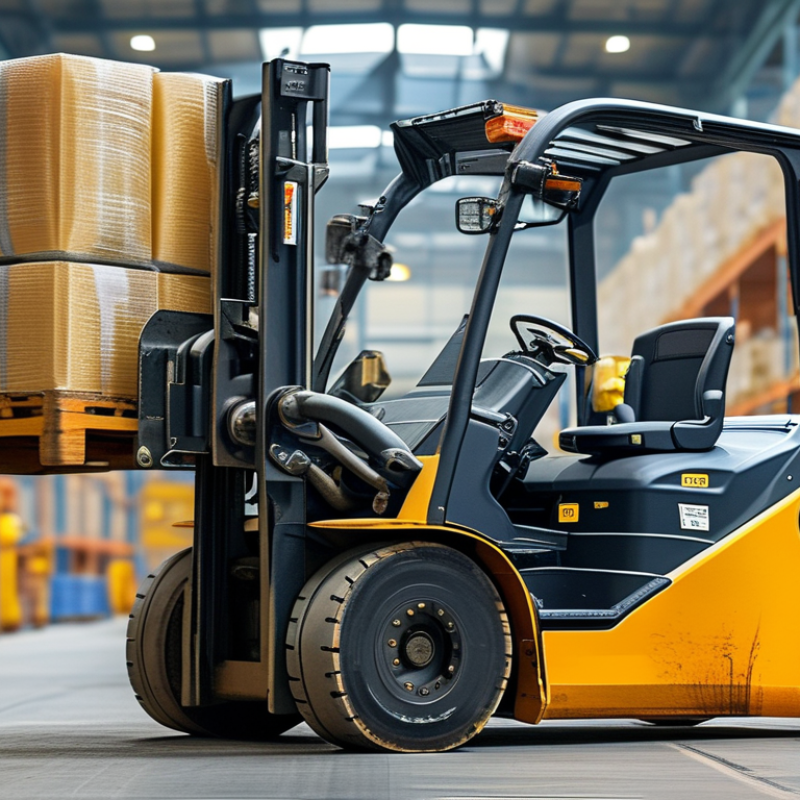
Heavy duty transfer carts are essential for various industrial applications. They transport heavy loads between different locations within manufacturing and warehouse settings. These carts can carry equipment, materials, and finished products, reducing the risk of worker injury and increasing efficiency. They are designed to handle significant weight capacities, often exceeding several tons.
Industries such as construction, automotive, and logistics rely on these transfer carts. They enhance workflow by ensuring smooth movement of materials. Additionally, the robustness of these carts means less downtime due to maintenance. Some models even come with features like remote controls, which add a layer of convenience. However, choosing the right model can be challenging. Factors like load capacity, operational environment, and maneuverability need careful consideration.
While heavy duty transfer carts provide many benefits, it’s crucial to assess their limitations. Certain environments may not suit all models. For example, uneven surfaces can pose difficulties for some carts. Regular maintenance is essential to keep the equipment in peak condition. Users should be aware of their specific needs and challenges when selecting a transfer cart.
When selecting a heavy-duty transfer cart, understanding key features is essential. Load capacity is a primary consideration. Ensure the model can handle your specific needs. Look into the weight distribution as well. An uneven load can lead to issues during transport.
Wheels and mobility greatly affect efficiency. Choose carts with durable wheels suitable for your surfaces. Consider models with swivel wheels for better maneuverability. This feature allows for tighter turns in constrained spaces.
Battery life and charging options are crucial too. Evaluate how long the cart operates before needing a recharge. Some models come with fast-charging features. This can save valuable time in busy environments. Always check user reviews about their operational reliability. Potential issues can often be discovered through others’ experiences.
Maintenance requirements should also factor into your decision. Regular upkeep can prolong the life of the cart. Think about how much effort you're willing to commit.
Heavy-duty transfer carts are essential for optimizing transport in various industries. They provide reliable solutions for moving heavy loads across distances. A recent report indicates that the global transfer cart market is projected to grow significantly, with a CAGR of about 10.6% over the next five years. This growth highlights the increasing demand for efficient material handling solutions in manufacturing and logistics.
When evaluating transfer carts, payload capacity and operational efficiency stand out. High-capacity models can typically handle loads exceeding 100 tons. Many carts feature advanced safety systems, including sensors and automatic brakes, which enhance reliability during operation. However, not all models capitalize on these features effectively. Some manufacturers still face challenges with durability and maintenance, leading to frequent breakdowns.
Another critical aspect is the customization offered by different models. Many industries require specific configurations tailored to unique workflows. Despite the variety, finding a model that meets all operational needs can be complex. Inadequate research might lead to choosing a cart that lacks essential features, resulting in inefficiencies. Seeking expert advice can be beneficial, ensuring the chosen model aligns with specific requirements and operational capacities.
When considering heavy-duty transfer carts, performance and specifications drive efficient transport. Weight capacity is a critical factor. Some models can handle loads exceeding 100 tons. This capacity is essential for industries like manufacturing and construction. Look for models with robust tires that ensure smooth movement on different surfaces.
Material construction plays an essential role too. Steel frames provide durability, but weight can impact handling. An optimal balance between strength and weight is vital for operational efficiency. Some carts offer adjustable height features, allowing for flexibility in various transport scenarios. This detail can prevent workplace accidents and improve workflow.
Regular maintenance is crucial for longevity. Pay attention to the wheels and electrical systems. Inspecting these components can reduce downtime. Consider training employees on proper handling techniques. This step may seem basic, yet it significantly impacts performance. Remember, even the best-built cart requires care. Prioritize usability and safety to enhance your operations.
Maintaining transfer carts is crucial for optimal performance. Regular inspection can prevent unexpected breakdowns. According to industry reports, up to 25% of downtime in manufacturing is due to equipment failure. Implementing a structured maintenance schedule can significantly reduce these issues.
Keep wheels and tracks clean. Dirt can cause resistance, increasing energy consumption by 10%. Lubrication of moving parts should be done every few months. This simple act can extend the life of the cart. Checking battery levels regularly is vital, especially in electric models. A well-maintained battery can improve efficiency by up to 15%.
Overloading can lead to mechanical failures. Adhering to the cart's weight capacity is essential. Many users overlook this and face costly repairs. Addressing wear and tear promptly is important. Neglecting this can result in decreased performance and safety concerns. Regular training for staff on proper use and maintenance practices also helps in maximizing efficiency. Implementing these strategies can lead to a more reliable and efficient transport system in your operations.
| Model | Load Capacity (tons) | Platform Size (m) | Power Source | Efficiency Rating | Maintenance Frequency (Months) |
|---|---|---|---|---|---|
| Model A | 20 | 4 x 2 | Electric | High | 6 |
| Model B | 15 | 3 x 1.5 | Diesel | Medium | 12 |
| Model C | 25 | 5 x 2.5 | Electric | High | 6 |
| Model D | 10 | 2.5 x 1.5 | Gasoline | Low | 12 |
| Model E | 30 | 6 x 3 | Electric | Very High | 6 |
„Thanks to the LUVIR technology, the solder resist process could be switched directly from the previously used mask exposure to direct exposure. As an outstanding digital solution on the market, this technology has been able to demonstrate fast process times and superior quality on our certified conventional ink in production. This allowed us to fully digitize the solder mask process at low cost – without process or ink adjustments. An excellent benefit to our production in Rot am See.“
Ralf Göhringer (Head of Production WE Rot am See)
I would definitely recommend the Limata machine and team for a future company purchase
Michael Greenaway
Compunetics Inc.
“The Limata ldi has been amazing!! Best thing we did was buy this machine”
Richard Brady
GM
Circuitlabs
“Since 2019, we have been running the Limata X1000 LDI system (including LUVIR for solder mask imaging) in daily production as an addition to our current process with film. The machine was capable of properly exposing Taiyo PSR-4000 BN (DI) solder mask types on normal to high-copper boards using a new and unique direct imaging process. The machine operating interface is very user friendly which allowed for a quick technical training curve. The pre-registration processing reduced several seconds of production time at every print. Limata support and service staff is incomparable. They supported our team every step of the way at basically any time of the day or night, with literally, an immediate response time, customizing the software interface to best fit our Operations and needs.
We have exposed more than 8,000 prints since end of October, on various solder mask colors and some resist film panels. Limata, has proven to be very capable and innovative. They are a strong contender in the industry.
We have very much enjoyed this project, and working with the team!
Thank you Limata for the continued support and being a part of our growth.”
Bill Sezate
Vice President, GM
Summit Interconnect
As a replacement to our current contact exposure process with film, the LIMATA X2000 system including LUVIR-Technology was capable of properly exposing non-LDI solder mask types using a direct imaging process. The machine offers cutting edge software with a very intuitive operating interface which allowed for quick technician training curve. The dual drawer system combined with pre-registration processing reduced several seconds of production time at every machine cycle. Limata support and service staff is world class. They added software patches to keep production running at shortest possible response times, customized the software interface to best fit our in-house Operations system, and even wrote a step-by-step machine processing manual. As a result of the project, we have exposed more than 16,000 times on various product types and solder mask brands/colors. Limata, in a very short timeframe as a company, has definitely shown they are truly innovative and will be challenging the industry of direct imaging for the top spot.
Kevin Beattie
Process Engineer
TTM Technologies
Forest Grove Division
