In the realm of healthcare, maintaining strict hygiene standards is critical. Hospital Laundry Machines play a vital role in this process. These machines ensure the effective cleaning and disinfection of linens, garments, and other fabrics used in medical settings. With a global market demanding efficiency and reliability, selecting the right hospital laundry machine becomes paramount.
Key factors include capacity, energy efficiency, and advanced technology features. Buyers must consider the specific needs of their facilities. The right machine can enhance the overall workflow and impact patient care positively. However, not all machines are created equal. Understanding the nuances of different models can be complex.
Hospital laundry machines must be robust and user-friendly. Choosing poorly designed or outdated equipment can lead to operational inefficiencies. It is essential for buyers to weigh their options carefully. This process involves research and expert advice to avoid costly mistakes. Ultimately, investing in high-quality hospital laundry machines is crucial for effective healthcare management.
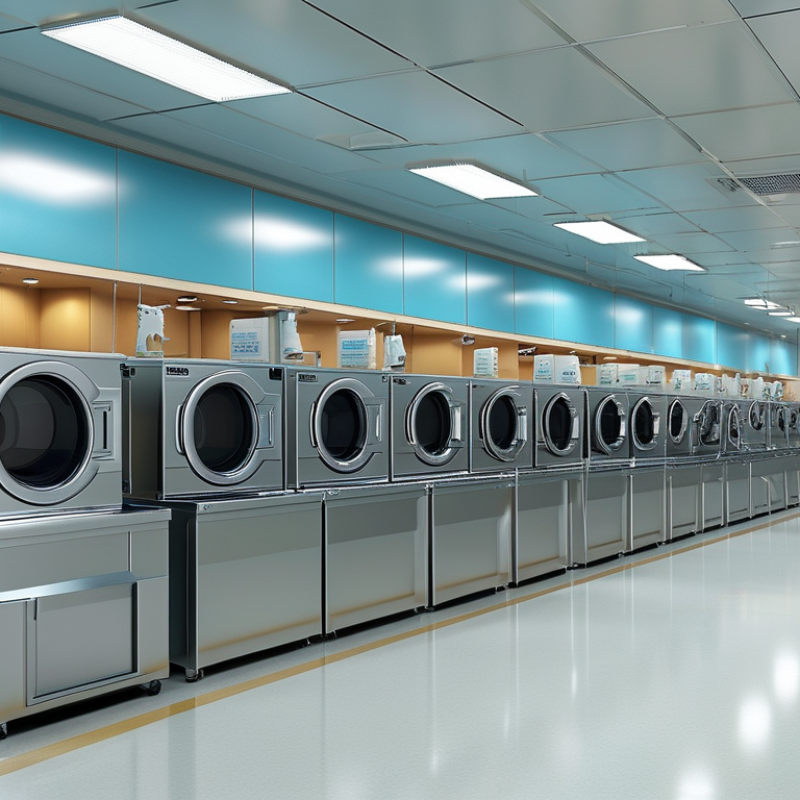
In recent years, the demand for hospital laundry machines has surged globally. Reports indicate that the healthcare laundry market is expected to grow by over 5% annually. This trend is driven by the increasing number of healthcare facilities and rising hygiene standards. Hospitals require efficient, high-capacity machines that can handle the high volume of linens, uniforms, and surgical drapes.
Efficiency is key. Machines must not only clean but also disinfect. According to a recent industry analysis, over 70% of laundry failures happen due to improper handling. Hospitals are urged to invest in equipment that offers reliability and durability. Regular maintenance can extend the lifespan of machines, preventing costly downtime.
Tips:
Choose machines with energy-saving features. This can significantly reduce operational costs. Train staff to follow proper washing protocols. This will minimize errors and ensure compliance with health regulations. Regular audits of laundry processes can identify areas for improvement, fostering a culture of accountability and cleanliness.
When choosing laundry machines for hospitals, certain features stand out. High-performance machines must prioritize hygiene and efficiency. Hospitals generate vast amounts of soiled linen daily. Reliable machines handle heavy loads while ensuring thorough cleaning. A good machine should efficiently remove stains without damaging fabrics.
Temperature control is vital for optimal cleaning. Machines that reach high temperatures can kill bacteria effectively. Advanced agitation systems ensure that every inch of fabric receives the necessary attention. Moreover, programmable settings allow for customization, adapting to different fabric types.
Energy efficiency is another critical consideration. Machines that consume less power reduce costs over time. However, balancing energy use with cleaning performance poses challenges. Regular maintenance is essential to sustain efficiency and prolong equipment life. Insufficient upkeep can lead to decreased performance and unexpected breakdowns. Understanding these features helps inform purchasing decisions.
In the healthcare sector, effective laundry solutions are crucial. Hospitals require high-capacity machines to handle vast volumes of linens and garments daily. Industry reports indicate that the global hospital laundry equipment market is projected to grow significantly, potentially reaching over $2 billion by 2025. This growth reflects the increasing demand for efficient and reliable cleaning systems.
Leading brands in hospital laundry equipment typically focus on advanced technology and sustainability. High-energy machines not only reduce water consumption but also lower utility costs. Data suggests that efficient machines can cut energy usage by 30%, creating substantial savings. However, some facilities still struggle with outdated equipment, leading to inefficiencies.
Moreover, the need for compliance with hygiene standards adds pressure. Hospitals must invest in reliable machinery to ensure patient safety. However, the initial investment can be daunting. Facilities sometimes delay updates, which can lead to greater long-term costs. Finding the right balance between cost and reliability is often a point of contention among decision-makers. Staying informed about market trends is essential for making sound purchasing decisions.
When selecting hospital laundry machines, various factors come into play. Efficiency is paramount in ensuring timely service to medical facilities. Machines should maintain high washing and drying capacities. They must also handle large volumes of linens, like gowns and sheets. Additionally, energy efficiency should not be overlooked. High-efficiency models reduce water and electricity consumption. This not only helps the environment but also lowers operational costs.
Durability is another critical factor. Hospital laundry machines operate continuously under demanding conditions. Choosing robust models can minimize breakdowns and maintenance needs. Reliability in performance is crucial as hospitals depend on clean linens to promote patient health.
Another important aspect is ease of use. Machines should have user-friendly interfaces. This allows staff to operate them efficiently. Observing staff who struggle with overly complicated machines can highlight the need for simplicity. Training costs can escalate if devices are not intuitive. Therefore, finding machines that balance technology and usability is essential.
In the context of hospital laundry solutions, innovation is transforming the industry. Hospitals demand efficient, hygienic, and sustainable options to manage their linen needs. Emerging technologies, such as automated laundering systems, enhance productivity and maintain stringent cleanliness standards. Many facilities are shifting from traditional practices to advanced washing techniques that utilize less water and energy.
Healthcare institutions face challenges related to infection control. Traditional laundry methods may not eliminate all pathogens effectively. Buyers now seek machines equipped with high-temperature wash cycles and powerful detergents that ensure safety. Smart technology integration allows for real-time monitoring and maintenance alerts, reducing downtime. However, this reliance on technology raises concerns about user training and device reliability.
Cost remains a significant factor in decision-making. Although advanced machines save long-term operating costs, initial investments can be substantial. Buyers must weigh the benefits of improved efficiency against their budget constraints. Continued research and user feedback will guide the industry towards better solutions. As buyers explore options, they should remain aware of the ongoing evolution in hospital laundry practices and the need for adaptability.
„Thanks to the LUVIR technology, the solder resist process could be switched directly from the previously used mask exposure to direct exposure. As an outstanding digital solution on the market, this technology has been able to demonstrate fast process times and superior quality on our certified conventional ink in production. This allowed us to fully digitize the solder mask process at low cost – without process or ink adjustments. An excellent benefit to our production in Rot am See.“
Ralf Göhringer (Head of Production WE Rot am See)
I would definitely recommend the Limata machine and team for a future company purchase
Michael Greenaway
Compunetics Inc.
“The Limata ldi has been amazing!! Best thing we did was buy this machine”
Richard Brady
GM
Circuitlabs
“Since 2019, we have been running the Limata X1000 LDI system (including LUVIR for solder mask imaging) in daily production as an addition to our current process with film. The machine was capable of properly exposing Taiyo PSR-4000 BN (DI) solder mask types on normal to high-copper boards using a new and unique direct imaging process. The machine operating interface is very user friendly which allowed for a quick technical training curve. The pre-registration processing reduced several seconds of production time at every print. Limata support and service staff is incomparable. They supported our team every step of the way at basically any time of the day or night, with literally, an immediate response time, customizing the software interface to best fit our Operations and needs.
We have exposed more than 8,000 prints since end of October, on various solder mask colors and some resist film panels. Limata, has proven to be very capable and innovative. They are a strong contender in the industry.
We have very much enjoyed this project, and working with the team!
Thank you Limata for the continued support and being a part of our growth.”
Bill Sezate
Vice President, GM
Summit Interconnect
As a replacement to our current contact exposure process with film, the LIMATA X2000 system including LUVIR-Technology was capable of properly exposing non-LDI solder mask types using a direct imaging process. The machine offers cutting edge software with a very intuitive operating interface which allowed for quick technician training curve. The dual drawer system combined with pre-registration processing reduced several seconds of production time at every machine cycle. Limata support and service staff is world class. They added software patches to keep production running at shortest possible response times, customized the software interface to best fit our in-house Operations system, and even wrote a step-by-step machine processing manual. As a result of the project, we have exposed more than 16,000 times on various product types and solder mask brands/colors. Limata, in a very short timeframe as a company, has definitely shown they are truly innovative and will be challenging the industry of direct imaging for the top spot.
Kevin Beattie
Process Engineer
TTM Technologies
Forest Grove Division
