Hydrophobic vents help protect enclosures and equipment from liquid water while allowing air and pressure to move through a barrier. Buyers encounter them in outdoor electronics, lighting, sensors, automotive assemblies, and industrial controls. The name describes a useful property, not one fixed design. A Hydrophobic Vent may use a membrane and come as an adhesive-backed patch, threaded insert, snap-fit part, or in-line component.
Small differences matter. A vent’s airflow, water-entry resistance, opening size, mounting method, and material compatibility all affect suitability. For example, a compact adhesive vent may fit a sealed sensor housing, while a threaded model may better suit a rigid enclosure. These are starting points, not guarantees. Performance depends on the complete assembly, including the housing, seal, and installation quality.
Fit the application first. For global buyers, the comparison should also cover operating temperature, exposure to dust or chemicals, service conditions, documentation, and relevant market requirements. Ask suppliers for test methods and product-specific data; broad claims can hide important differences. Check dimensions against the actual enclosure, not just a drawing. A small mismatch can compromise a seal.
There is no universal best choice. That makes comparisons less tidy than expected. This guide reviews ten common hydrophobic vent types and the practical trade-offs behind them. It is intended to support informed screening, not replace engineering validation. Even a carefully selected vent can disappoint if the enclosure design or installation is overlooked.
Hydrophobic surfaces repel water, and their water contact angle is greater than 90 degrees. A droplet tends to bead rather than spread. The angle is measured where the droplet meets the surface, but results can vary with cleanliness, roughness, and test method. A neat bead on a flat sample is useful evidence, not a guarantee of vent performance.
In a porous vent, treated pores allow gas to pass while resisting water entry. The actual resistance depends on pore structure, surface treatment, water pressure, and liquid properties. Pressure changes everything. A vent that handles light rain may not withstand a direct spray or prolonged immersion. Dirt, oils, and cleaning agents can also change how water interacts with the surface.
For buyers comparing vent types, check airflow and water-entry data under stated test conditions. Match those figures to operating pressure, temperature, expected splash exposure, and the housing’s mounting design. Test the real assembly. Adhesive edges and uneven compression can create leak paths even when the membrane itself performs well. It is tempting to treat 90 degrees as a pass-or-fail specification, but that number alone says little about service life. Ask how measurements were taken, and review performance after relevant aging or exposure tests.
Hydrophobic vents balance pressure while helping limit liquid water and dust entry. Their performance depends on membrane, housing, and mounting design. Common membrane choices include ePTFE disc vents, ePTFE patch vents, polypropylene membrane vents, and PVDF membrane vents. Each has different airflow, chemical resistance, and pore characteristics. Check the actual operating conditions; material names alone do not guarantee a suitable fit.
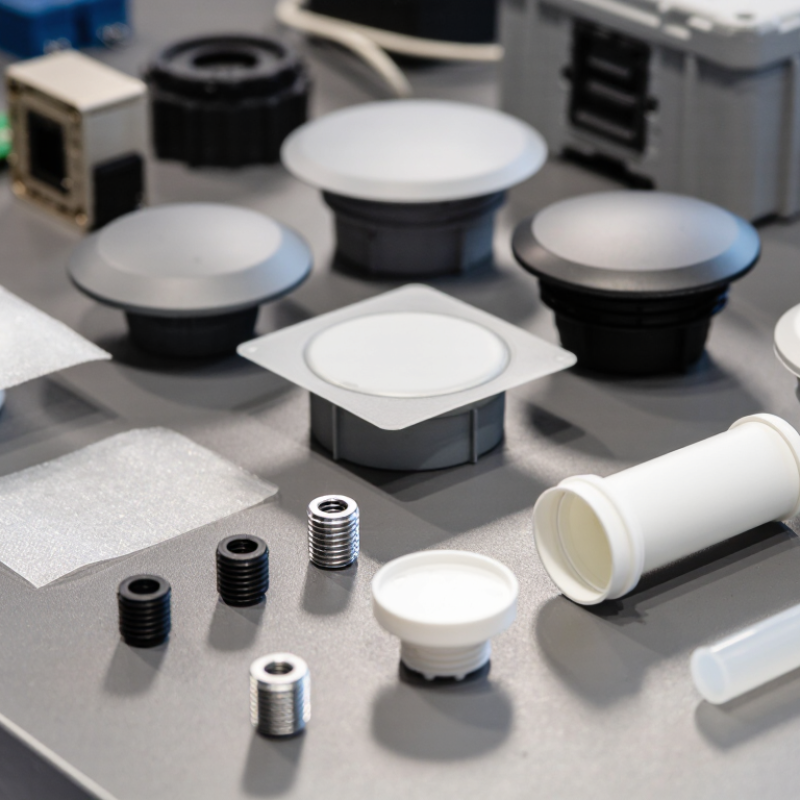
Housing styles include compact vent plugs, threaded vents, press-fit vents, snap-in vents, inline vents, and protective enclosure vents. Mounting options add adhesive-backed vents and weld-in vents, bringing the main configurations to ten. A metal housing can suit a tougher installation, while a lightweight polymer body may fit portable equipment. Thread pitch, panel thickness, and available clearance matter. Small mismatches can cause leaks or make replacement awkward. I have seen drawings overlook access for servicing.
Tips: Compare airflow at the expected pressure difference, not just a headline rating. Check water-entry performance and temperature limits. Test the assembled vent in its real orientation; a lab result may not reflect splash, vibration, or blocked airflow. Keep the mounting surface clean. Simple, but often missed.
Hydrophobic vents balance liquid resistance with pressure equalization, but material names alone do not predict performance. PTFE is valued for chemical resistance and low surface energy. ePTFE is expanded PTFE, formed into a porous membrane that can provide high airflow at a given level of liquid protection. Polyethylene vents may suit applications where cost and adequate air exchange matter. The details vary by membrane structure.
Check the rated pore size, airflow, and water-entry pressure together. Smaller pores can help resist liquid penetration, yet may restrict airflow. Not always. Airflow figures are useful only when their test pressure and conditions are comparable. A vent in a warm enclosure may behave differently from one exposed to cold, humid air. For a battery housing, for example, pressure changes during heating and cooling can make steady air exchange important. The comparison is not perfectly tidy: thickness, vent area, seals, and surface contamination also affect results. Ask suppliers for test data under stated conditions, then verify performance in the actual assembly.
An IPX7 rating is a defined test benchmark, not a promise that every product can withstand every immersion. Under IEC 60529, the enclosure is tested in water at a depth of 1 metre for up to 30 minutes. The test evaluates the complete enclosure under specified conditions. A vent’s rating alone does not establish the rating of the assembled device.
For a hydrophobic vent, the membrane can help repel liquid water while allowing air and pressure to pass. That balance matters when equipment warms, cools, or faces changing pressure. Buyers should check how the vent is mounted, whether its adhesive or seal is included in testing, and whether the test used the final housing design. Small gaps around a cutout can undermine an otherwise suitable membrane. Easy to miss.
IPX7 does not automatically mean protection against water jets, long-term submersion, or repeated exposure. Those conditions need separate consideration and, where necessary, separate testing. A careful supplier should state the test setup and provide evidence for the finished assembly, rather than relying on a component label. Real installations vary. Cable entries, seams, and service covers may change the result, so the benchmark is useful—but it is not the whole story.
Choosing among ten hydrophobic vent types starts with the enclosure’s real operating conditions. Water-entry pressure indicates how much water pressure a membrane can resist before liquid passes through. Compare the specified rating with likely exposure, including spray, washdown, or temporary immersion. A higher rating is not automatically better if airflow becomes too restricted. Temperature matters too: check both the expected operating range and brief temperature peaks. A vent that performs well in a cool outdoor sensor may behave differently near a warm motor.
Tips: Match the vent format to the housing. Adhesive-backed vents suit flat panels; threaded or snap-in styles may fit molded enclosures. Check panel thickness, available space, airflow needs, and chemical exposure. Confirm ratings in the product data, then test a representative assembly. Small details count.
Application changes the choice. Outdoor lighting may need weather resistance and pressure equalization, while a battery enclosure may need dependable gas exchange. For dusty equipment, consider whether a protective layer or placement away from direct debris is practical. Real installations are messier than drawings; cable openings and imperfect seals can undermine a carefully chosen vent. Record the temperature, pressure exposure, and cleaning method before comparing options. If test conditions are unclear, ask the supplier for the method behind the rating rather than relying on a number alone.
„Thanks to the LUVIR technology, the solder resist process could be switched directly from the previously used mask exposure to direct exposure. As an outstanding digital solution on the market, this technology has been able to demonstrate fast process times and superior quality on our certified conventional ink in production. This allowed us to fully digitize the solder mask process at low cost – without process or ink adjustments. An excellent benefit to our production in Rot am See.“
Ralf Göhringer (Head of Production WE Rot am See)
I would definitely recommend the Limata machine and team for a future company purchase
Michael Greenaway
Compunetics Inc.
“The Limata ldi has been amazing!! Best thing we did was buy this machine”
Richard Brady
GM
Circuitlabs
“Since 2019, we have been running the Limata X1000 LDI system (including LUVIR for solder mask imaging) in daily production as an addition to our current process with film. The machine was capable of properly exposing Taiyo PSR-4000 BN (DI) solder mask types on normal to high-copper boards using a new and unique direct imaging process. The machine operating interface is very user friendly which allowed for a quick technical training curve. The pre-registration processing reduced several seconds of production time at every print. Limata support and service staff is incomparable. They supported our team every step of the way at basically any time of the day or night, with literally, an immediate response time, customizing the software interface to best fit our Operations and needs.
We have exposed more than 8,000 prints since end of October, on various solder mask colors and some resist film panels. Limata, has proven to be very capable and innovative. They are a strong contender in the industry.
We have very much enjoyed this project, and working with the team!
Thank you Limata for the continued support and being a part of our growth.”
Bill Sezate
Vice President, GM
Summit Interconnect
As a replacement to our current contact exposure process with film, the LIMATA X2000 system including LUVIR-Technology was capable of properly exposing non-LDI solder mask types using a direct imaging process. The machine offers cutting edge software with a very intuitive operating interface which allowed for quick technician training curve. The dual drawer system combined with pre-registration processing reduced several seconds of production time at every machine cycle. Limata support and service staff is world class. They added software patches to keep production running at shortest possible response times, customized the software interface to best fit our in-house Operations system, and even wrote a step-by-step machine processing manual. As a result of the project, we have exposed more than 16,000 times on various product types and solder mask brands/colors. Limata, in a very short timeframe as a company, has definitely shown they are truly innovative and will be challenging the industry of direct imaging for the top spot.
Kevin Beattie
Process Engineer
TTM Technologies
Forest Grove Division