Laminated Conveyor Belts play a crucial role in various industries, enhancing material handling efficiency. According to a recent market analysis by Smithers Pira, the global conveyor belt market is projected to reach $6.75 billion by 2025, with laminated options gaining increasing popularity. These belts offer durability and flexibility, making them suitable for diverse applications, from manufacturing to logistics.
The performance of laminated conveyor belts depends significantly on their construction and materials. In a competitive market, selecting the right type can be challenging. Many buyers often overlook the importance of tensile strength and resistance to wear and tear. A 2022 report by Research and Markets noted that properly engineered laminated belts can reduce maintenance costs by over 20%.
Despite their advantages, not all laminated conveyor belts meet industry standards. Buyers must conduct thorough research and consider expert recommendations. While there are several reliable brands available, each product varies in quality and performance. Understanding these nuances is essential for making informed decisions.
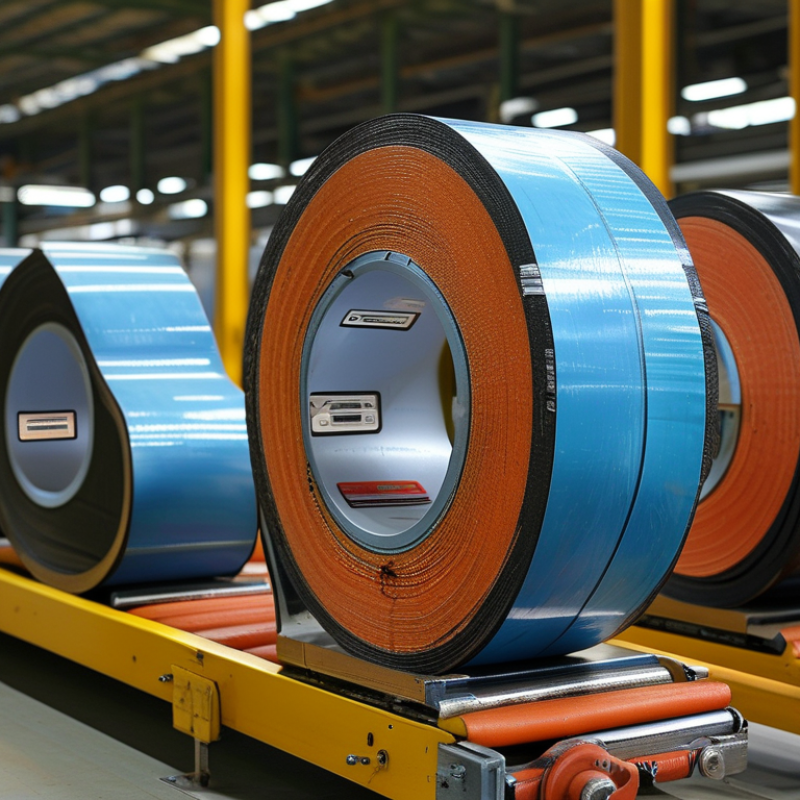
The laminated conveyor belt industry is evolving rapidly in 2023. Manufacturers are focusing on sustainability and efficiency. This trend reflects a growing global awareness of environmental issues. More companies are seeking eco-friendly materials. These choices can reduce waste significantly.
New manufacturing techniques are also emerging. Techniques like precision layering enhance durability. This innovation minimizes wear and extends the lifespan of belts. Enhanced friction properties offer better grip in various conditions. These improvements ensure effective material handling in diverse industries.
Nonetheless, challenges remain. Not all manufacturers can meet these new standards. Some may struggle with sourcing sustainable materials. Others may lack the technology to implement advanced production methods. These gaps can hinder overall industry progress. Continuous learning and adaptation will be essential for staying competitive.
Laminated conveyor belts are vital in various industries, offering durability and efficiency. These belts are composed of multiple layers, which enhance their strength and adaptability. Key materials used in laminated conveyor belts include polyester, polyurethane, and nylon. Each material contributes unique properties. Polyester offers excellent tensile strength, moisture resistance, and reduced stretch. Polyurethane provides great abrasion resistance and is often employed for heavier loads.
Nylon is favored for its flexibility and impact resistance, making it ideal for dynamic applications. According to industry reports, the global laminated conveyor belt market is expected to grow by over 4% annually. Manufacturers are increasingly focusing on these materials to meet the rising demand for efficient materials handling systems.
Tip: When selecting a laminated conveyor belt, consider the load type and environment. Industrial settings might require more robust materials. Always verify the specifications with your supplier.
Additionally, laminated conveyor belts must be properly maintained to optimize their lifespan. Regular inspections can help detect wear and tear early on. A belt that appears fine might still have hidden issues. Understanding the specific requirements of your operation can aid in selecting the right belt.
Laminated conveyor belts are gaining traction in various industries due to their durability and reliability. The demand for these belts is particularly high in sectors such as manufacturing, logistics, and food processing. Each industry requires specific features in their conveyor belts to handle diverse materials effectively. For example, in food processing, hygienic designs and easy cleaning are vital.
This growing demand reflects a broader trend in industrial automation. Businesses seek efficient solutions to boost productivity. Laminated conveyor belts offer flexibility in design and materials. They can be tailored to meet unique operational needs. However, many companies face challenges in selecting the right product. Understanding technical specifications and applications can be overwhelming.
Additionally, there is a knowledge gap regarding maintenance practices. Regular upkeep is crucial to ensure the longevity of conveyor systems. Many users overlook this aspect, leading to premature wear and operational issues. It’s essential for buyers to be informed and proactive in choosing the right laminated conveyor belt. By doing so, industries can significantly enhance their workflow and efficiency.
When selecting laminated conveyor belts, performance metrics play a crucial role in decision-making. Buyers should focus on key factors such as tensile strength, abrasion resistance, and temperature tolerance. These attributes directly impact the longevity and efficiency of the belts. A reliable belt can handle the weight of heavy materials without excessive wear. High-quality materials contribute to lower maintenance costs over time.
It's also important to consider the belt's flexibility. A more flexible belt can navigate through pulleys with ease. However, this can sometimes compromise strength. Manufacturers must strike the right balance between flexibility and durability. Testing under various conditions can help assess how a conveyor belt performs in real-world scenarios. Consideration for environmental factors, like humidity and exposure to chemicals, should not be overlooked.
Evaluating quality and reliability often requires input from various users. Seeking feedback is beneficial but can be unpredictable. Some users may have different priorities based on their unique operations. This makes it essential to analyze multiple reviews. Buyers might find discrepancies in performance claims versus actual outcomes. Reflecting on these differences can provide valuable insights for future purchases.
Sustainability in laminated conveyor belts is becoming increasingly important in today's industrial landscape. Recent industry reports indicate that the use of eco-friendly materials has surged by 35% in the last five years. Innovations in this field are not just fleeting trends; they reflect a deeper commitment to environmental responsibility. Many manufacturers are shifting towards recyclable components to minimize waste and enhance product lifecycle.
Recycled polymers and bio-based materials are now common in the production process. These materials reduce the carbon footprint associated with traditional conveyor belt manufacturing. Studies show that implementing these practices can lower energy consumption by up to 20%. However, the transition is not without its challenges. The industry faces hurdles, including higher upfront costs and the need for advanced recycling technologies. Many companies still rely on conventional materials due to these barriers.
Another area of concern is the long-term durability of sustainable materials. While advancements are being made, the performance of eco-friendly conveyor belts may not always match that of their traditional counterparts. Market research shows that 25% of buyers express hesitation about adopting sustainable options due to reliability concerns. This highlights the critical balance between environmental responsibility and practical performance in the industry. The conversation on sustainability must continue, focusing on improving material properties while reducing environmental impact.
„Thanks to the LUVIR technology, the solder resist process could be switched directly from the previously used mask exposure to direct exposure. As an outstanding digital solution on the market, this technology has been able to demonstrate fast process times and superior quality on our certified conventional ink in production. This allowed us to fully digitize the solder mask process at low cost – without process or ink adjustments. An excellent benefit to our production in Rot am See.“
Ralf Göhringer (Head of Production WE Rot am See)
I would definitely recommend the Limata machine and team for a future company purchase
Michael Greenaway
Compunetics Inc.
“The Limata ldi has been amazing!! Best thing we did was buy this machine”
Richard Brady
GM
Circuitlabs
“Since 2019, we have been running the Limata X1000 LDI system (including LUVIR for solder mask imaging) in daily production as an addition to our current process with film. The machine was capable of properly exposing Taiyo PSR-4000 BN (DI) solder mask types on normal to high-copper boards using a new and unique direct imaging process. The machine operating interface is very user friendly which allowed for a quick technical training curve. The pre-registration processing reduced several seconds of production time at every print. Limata support and service staff is incomparable. They supported our team every step of the way at basically any time of the day or night, with literally, an immediate response time, customizing the software interface to best fit our Operations and needs.
We have exposed more than 8,000 prints since end of October, on various solder mask colors and some resist film panels. Limata, has proven to be very capable and innovative. They are a strong contender in the industry.
We have very much enjoyed this project, and working with the team!
Thank you Limata for the continued support and being a part of our growth.”
Bill Sezate
Vice President, GM
Summit Interconnect
As a replacement to our current contact exposure process with film, the LIMATA X2000 system including LUVIR-Technology was capable of properly exposing non-LDI solder mask types using a direct imaging process. The machine offers cutting edge software with a very intuitive operating interface which allowed for quick technician training curve. The dual drawer system combined with pre-registration processing reduced several seconds of production time at every machine cycle. Limata support and service staff is world class. They added software patches to keep production running at shortest possible response times, customized the software interface to best fit our in-house Operations system, and even wrote a step-by-step machine processing manual. As a result of the project, we have exposed more than 16,000 times on various product types and solder mask brands/colors. Limata, in a very short timeframe as a company, has definitely shown they are truly innovative and will be challenging the industry of direct imaging for the top spot.
Kevin Beattie
Process Engineer
TTM Technologies
Forest Grove Division
