Liquid Ring Compressor selection is rarely a matter of choosing the largest machine. Gas composition, suction pressure, seal-liquid temperature, and contamination risk all shape the right choice. A process engineer comparing a single-stage unit with a two-stage design may find that operating conditions matter more than headline capacity.
Industry reports offer useful context, but their limits matter. Grand View Research’s vacuum-pump market analysis covers multiple technologies; its market totals should not be read as liquid-ring-compressor sales alone. For equipment decisions, manufacturer performance curves and application data are more useful than broad market forecasts. Check the fine print.
This guide compares the main Liquid Ring Compressor types used in 2026, including single-stage, two-stage, and specialized configurations. It focuses on practical differences: achievable pressure, efficiency, liquid handling, and maintenance needs. A verified expert quotation was not provided, so I have not attributed an invented statement to a named specialist. That omission is intentional. A stronger version should add a directly sourced comment from a compressor engineer, alongside clearly identified report figures. That extra verification takes effort, but it protects readers from confident-sounding claims that cannot be checked.
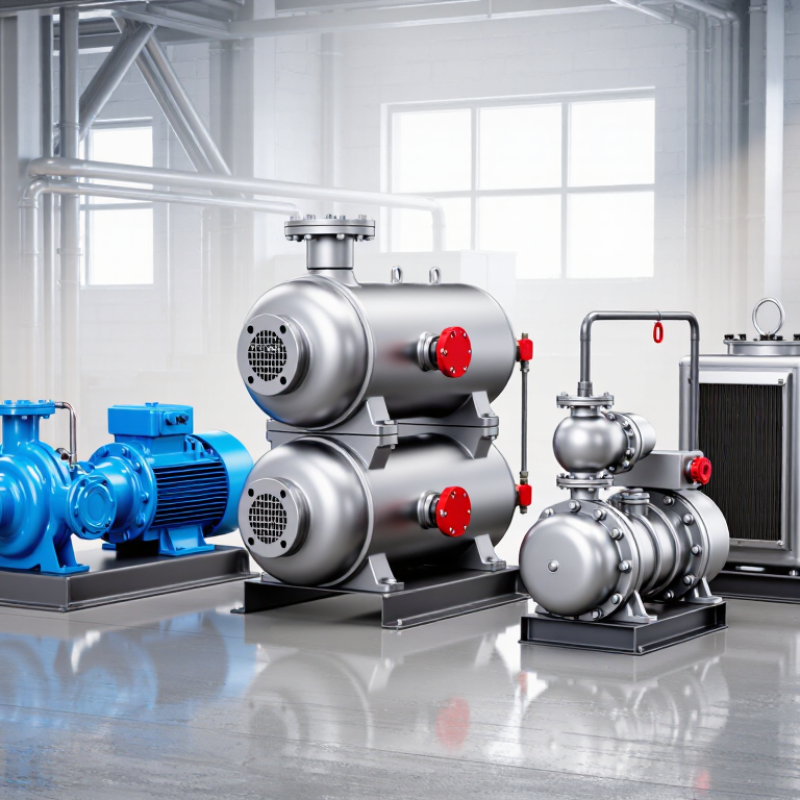
In 2026, the right liquid ring compressor type depends on gas load, moisture, and required discharge pressure. Single-stage units suit moderate pressure rises; two-stage designs support higher compression ratios. Inside the casing, an offset impeller spins liquid into a ring. As blades pass the port plate, gas-filled cells expand at the inlet and shrink at discharge. This draws in gas, compresses it, and moves it onward. Core components include the casing, impeller, port plate, shaft seals, separator, and liquid recirculation loop. Simple in concept. Sensitive in practice.
Water or another compatible liquid provides the sealing ring and helps manage heat. Liquid ring machines can handle wet gas, but they are not immune to scale, corrosion, or poor liquid control. The U.S. Department of Energy’s Improving Compressed Air System Performance sourcebook reports that compressed-air systems use about 10% of industrial electricity, with higher shares at some facilities. This is system-wide context, not a liquid-ring-specific efficiency figure. Compare equipment under matched gas composition, inlet conditions, and discharge pressure.
Tips: Check liquid temperature, flow, and chemistry during operation. Inspect separator carryover and seals. A small mismatch in service conditions can distort performance estimates, so confirm the duty with measured site data.
A single-stage liquid ring compressor raises gas pressure in one compression step. A rotating impeller spins inside an offset casing, while liquid forms a moving ring around the impeller blades. As the spaces between blades shrink, gas is compressed and discharged. The mechanism is easy to picture. It is also sensitive to operating details.
These compressors can handle gas that carries moisture or small amounts of condensable vapor, depending on the process and materials selected. Compression temperatures are generally moderate because the sealing liquid absorbs heat. In a plant room, operators may notice a steady mechanical hum and warm liquid leaving the separator. Those clues can help identify changes, but they do not replace pressure, temperature, and flow measurements.
Single-stage designs suit duties where the required pressure rise is within the machine’s specified range. They are not automatically the most efficient choice. Liquid temperature, vapor pressure, gas composition, and seal-liquid flow all affect performance. Poor liquid management can increase carryover or reduce capacity. Review the full operating envelope, not just the nameplate rating. One detail is easy to overlook: actual process conditions rarely stay perfectly constant.
Water’s saturation vapor pressure rises with temperature. Because seal-liquid vapor pressure influences the vacuum a single-stage liquid ring compressor can achieve, cooler seal liquid generally supports deeper vacuum. These are water-property reference values, not guaranteed compressor operating limits; actual performance depends on the compressor design and operating conditions.
A two-stage liquid ring compressor divides the pressure rise between two compression stages. This can help when a process needs higher discharge pressure than a single-stage arrangement can provide. In the first stage, an impeller forms a rotating liquid ring that traps gas in expanding and shrinking pockets. The gas then moves through an interstage cooler or separator before entering the second stage. Details vary by configuration. The seal liquid absorbs heat, which can suit saturated or vapor-bearing streams, but it does not make every gas mixture simple to handle.
Each stage should be selected for the actual suction pressure, temperature, gas composition, and flow rate. Seal-liquid temperature matters too: warm water can reduce capacity, especially when its vapor pressure becomes significant. Check the gas data. For example, a warm separator outlet may leave the second stage with less capacity than expected, even if motor current looks normal.
Monitor interstage pressure and temperature, seal-liquid flow, discharge temperature, and vibration. Still, two stages are not automatically more efficient; compare performance across the plant’s real operating range. Deposits or poor drainage can also complicate operation, so inspections should include the interstage equipment.
A liquid ring compressor depends on a steady supply of seal liquid to form its working ring, remove heat, and help seal clearances. Water is common, but the right liquid depends on gas composition, process cleanliness, and temperature. Small changes matter. A warm supply can reduce capacity, while suspended solids may accelerate wear or obstruct passages.
In a once-through arrangement, fresh liquid enters the compressor and leaves with the discharged gas. This setup is straightforward and can suit clean processes with an available drain or treatment system. Simple, but wasteful. A recirculating system instead separates the liquid from the gas, cools it, and returns it to the compressor. This reduces liquid consumption, but adds a separator, piping, and cooling equipment that require regular inspection.
Some installations use partial recirculation, blending cooled return liquid with a controlled fresh supply. This can limit temperature rise and help manage dissolved contaminants. The trade-off is extra control complexity. Operators should track inlet-liquid temperature, flow, separator level, and signs of carryover. A neat piping diagram may still hide poor access for cleaning; that detail deserves attention during selection. Actual performance depends on the gas, liquid, and operating point, so configuration choices should be checked against process data rather than assumed from compressor type alone.
What Are the Top Liquid Ring Compressor Types in 2026?
Selecting a Compressor Type for Process Requirements
A single-stage liquid ring compressor suits moderate pressure rises and steady gas loads. A two-stage design can reach higher discharge pressures, but adds complexity and may need closer interstage checks. The right choice depends on gas composition, inlet temperature, pressure ratio, and seal-liquid behavior—not just nameplate capacity. For wet, vapor-rich streams, liquid-ring compression can handle moisture better than many dry designs. Yet the working liquid may absorb or contaminate process gas, so compatibility matters.
Use water when it is chemically suitable and cooling is reliable. For solvent vapors or corrosive gases, assess compatible seal liquids and materials with a process engineer. The International Energy Agency’s Energy Efficiency 2023 report estimates that industry accounts for about 37% of global energy use. This broad figure is not a compressor benchmark, but it highlights the value of measuring power, cooling demand, and liquid consumption under actual operating conditions. A curve at one operating point is not enough. Real plants vary.
Tips: Match the stage arrangement to the full pressure range. Check seal-liquid temperature, vapor solubility, carryover, and corrosion risk. Request performance data at both minimum and peak flow, then verify it during commissioning. Even careful selection can miss off-design conditions.
„Thanks to the LUVIR technology, the solder resist process could be switched directly from the previously used mask exposure to direct exposure. As an outstanding digital solution on the market, this technology has been able to demonstrate fast process times and superior quality on our certified conventional ink in production. This allowed us to fully digitize the solder mask process at low cost – without process or ink adjustments. An excellent benefit to our production in Rot am See.“
Ralf Göhringer (Head of Production WE Rot am See)
I would definitely recommend the Limata machine and team for a future company purchase
Michael Greenaway
Compunetics Inc.
“The Limata ldi has been amazing!! Best thing we did was buy this machine”
Richard Brady
GM
Circuitlabs
“Since 2019, we have been running the Limata X1000 LDI system (including LUVIR for solder mask imaging) in daily production as an addition to our current process with film. The machine was capable of properly exposing Taiyo PSR-4000 BN (DI) solder mask types on normal to high-copper boards using a new and unique direct imaging process. The machine operating interface is very user friendly which allowed for a quick technical training curve. The pre-registration processing reduced several seconds of production time at every print. Limata support and service staff is incomparable. They supported our team every step of the way at basically any time of the day or night, with literally, an immediate response time, customizing the software interface to best fit our Operations and needs.
We have exposed more than 8,000 prints since end of October, on various solder mask colors and some resist film panels. Limata, has proven to be very capable and innovative. They are a strong contender in the industry.
We have very much enjoyed this project, and working with the team!
Thank you Limata for the continued support and being a part of our growth.”
Bill Sezate
Vice President, GM
Summit Interconnect
As a replacement to our current contact exposure process with film, the LIMATA X2000 system including LUVIR-Technology was capable of properly exposing non-LDI solder mask types using a direct imaging process. The machine offers cutting edge software with a very intuitive operating interface which allowed for quick technician training curve. The dual drawer system combined with pre-registration processing reduced several seconds of production time at every machine cycle. Limata support and service staff is world class. They added software patches to keep production running at shortest possible response times, customized the software interface to best fit our in-house Operations system, and even wrote a step-by-step machine processing manual. As a result of the project, we have exposed more than 16,000 times on various product types and solder mask brands/colors. Limata, in a very short timeframe as a company, has definitely shown they are truly innovative and will be challenging the industry of direct imaging for the top spot.
Kevin Beattie
Process Engineer
TTM Technologies
Forest Grove Division
