The demand for reliable and efficient electrical infrastructure continues to grow globally. According to a recent report by MarketsandMarkets, the Low Voltage Switchgear market is projected to reach $24 billion by 2024, driven by advancements in technology and increasing infrastructure investments. Low Voltage Switchgear Series plays a crucial role in managing electrical distribution and protecting equipment.
The shift towards renewable energy and smart grids emphasizes the need for high-quality switchgear. These systems ensure safety and operational efficiency in various environments. However, not all products meet the increasing standards of performance and durability. Therefore, selecting the right Low Voltage Switchgear Series can be challenging for buyers.
As the market evolves, stakeholders must consider factors like energy efficiency and adaptability. Reliable brands incorporate advanced features, yet some may fall short in customer service or warranty support. Buyers need to be discerning, seeking products that offer both innovation and proven reliability to make well-informed decisions.
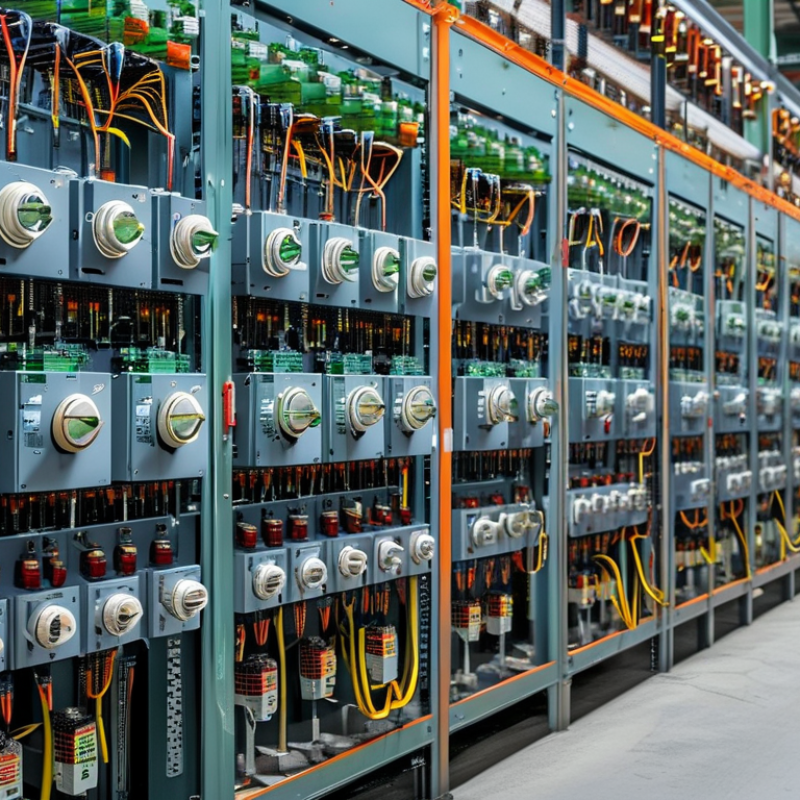
Low voltage switchgear plays a crucial role in modern electrical systems. These devices manage power distribution safely and efficiently. According to the International Electrotechnical Commission (IEC), low voltage switchgear operates under 1,000 volts and is essential for residential, commercial, and industrial applications. Their reliability affects overall system performance.
The importance of low voltage switchgear is underscored by industry data. A report by Grand View Research indicates that the global low voltage switchgear market is expected to reach $34.9 billion by 2025, driven by increasing demand for energy efficiency. Furthermore, advancements in technology are enhancing system capabilities. Smart switchgear offers better control and monitoring, reducing potential risks.
However, challenges remain. The aging infrastructure in many regions risks potential failures. Additionally, integrating new technologies with existing systems can be complex. Investment in training and innovation is crucial for addressing these issues. Balancing performance with safety remains a priority for stakeholders. Emphasizing reliability while embracing innovation is a key focus for the industry moving forward.
When selecting low voltage switchgear, there are several key specifications to consider. An important factor is the rated voltage. Most low voltage switchgear systems operate within a range of 1kV to 15kV. Understanding this range ensures compatibility with your electrical network. According to industry reports, about 63% of electrical failures are linked to improper switchgear selection. This highlights the importance of matching voltage ratings correctly.
Another critical feature is short-circuit protection. Effective switchgear should have a short-circuit withstand rating that meets or exceeds the expected fault levels. In many industrial settings, short-circuit ratings can reach up to 100 kA. Selecting gear that can handle these high levels minimizes downtime during fault conditions.
Additionally, consider the operational convenience. User interfaces should be intuitive for ease of adjustment and monitoring. Some modern systems offer remote monitoring capabilities. However, not all switchgear comes with this functionality. Ensuring that your hardware aligns with current needs and future expansions is vital. Many buyers overlook this aspect, which can lead to insufficient system adaptability down the line.
| Switchgear Model | Rated Voltage (V) | Current Rating (A) | Short-Circuit Protection (kA) | IP Rating | Key Features |
|---|---|---|---|---|---|
| Model A | 400V | 1600A | 50kA | IP54 | Compact design, easy to maintain |
| Model B | 690V | 2000A | 65kA | IP65 | Modular architecture, high safety |
| Model C | 600V | 1200A | 40kA | IP42 | Integrated monitoring system |
| Model D | 400V | 1000A | 30kA | IP55 | Easy installation, high flexibility |
| Model E | 690V | 2500A | 80kA | IP67 | Robust design, comprehensive control options |
Low voltage switchgear is essential in modern electrical systems. They ensure the safe distribution of electrical energy in various applications. Many global buyers seek reliable and efficient low voltage switchgear series. Key factors influence their choices, including safety features, ease of maintenance, and adaptability to different environments.
Several series have gained popularity among buyers. For instance, some models prioritize compact designs while others focus on advanced protection features. Users appreciate switchgear that offers seamless integration with smart grid technology. However, some series may lack flexibility for specific installations. This limitation can lead to extra costs and delays.
Buyers should consider their unique needs before making a decision. Understanding the technical specifications is crucial. Engaging with experienced professionals can help navigate complex choices. Each series offers distinct advantages and potential drawbacks. As demand grows, the market continues to evolve. Quality and innovation remain at the forefront of buyer considerations.
Low voltage switchgear plays a vital role in electrical distribution systems. Its importance is highlighted by the fact that the global low voltage switchgear market is projected to reach approximately $60 billion by 2025, with a compound annual growth rate (CAGR) of 4.5%. As industries evolve, the demand for reliable and efficient switchgear solutions continues to rise.
A comparative analysis reveals distinct features across leading brands. Factors such as design, durability, and environmental impact are crucial. For instance, a recent report indicates that 30% of buyers prioritize energy efficiency when selecting switchgear. However, many brands are criticized for their lack of adaptability to new technologies such as IoT integration. This gap presents a challenge for manufacturers aiming to meet modern demands.
Additionally, user feedback often highlights the need for better customer support. A survey showed that 25% of users have encountered difficulties in installation and after-sales service. These insights underline the importance of considering not just technical specifications but also service quality when evaluating brands. Making informed decisions can lead to better long-term results in managing power systems effectively.
In recent years, low voltage switchgear technology has undergone significant advancements. A key trend is the integration of digitalization. Smart switchgear systems now offer real-time monitoring and predictive maintenance. This helps in reducing downtime and improving operational efficiency. By utilizing IoT technologies, switchgear can communicate with other devices on the grid. Such innovations allow for greater reliability and adaptability.
Another promising development is the move towards more sustainable solutions. Companies are focusing on eco-friendly materials and energy-efficient designs. Manufacturers aim to reduce the carbon footprint associated with production and operation. This shift supports global sustainability goals. It's important to note that not all innovations are flawless. New technologies may come with challenges, such as cybersecurity risks. Companies need to address these vulnerabilities as they develop smarter solutions.
As low voltage switchgear continues to evolve, collaboration among industry experts is crucial. Sharing knowledge and ongoing research can lead to breakthroughs. The push for enhanced safety features also remains a priority. Overall, while the future looks promising, careful attention to new challenges is essential for successful implementation.
„Thanks to the LUVIR technology, the solder resist process could be switched directly from the previously used mask exposure to direct exposure. As an outstanding digital solution on the market, this technology has been able to demonstrate fast process times and superior quality on our certified conventional ink in production. This allowed us to fully digitize the solder mask process at low cost – without process or ink adjustments. An excellent benefit to our production in Rot am See.“
Ralf Göhringer (Head of Production WE Rot am See)
I would definitely recommend the Limata machine and team for a future company purchase
Michael Greenaway
Compunetics Inc.
“The Limata ldi has been amazing!! Best thing we did was buy this machine”
Richard Brady
GM
Circuitlabs
“Since 2019, we have been running the Limata X1000 LDI system (including LUVIR for solder mask imaging) in daily production as an addition to our current process with film. The machine was capable of properly exposing Taiyo PSR-4000 BN (DI) solder mask types on normal to high-copper boards using a new and unique direct imaging process. The machine operating interface is very user friendly which allowed for a quick technical training curve. The pre-registration processing reduced several seconds of production time at every print. Limata support and service staff is incomparable. They supported our team every step of the way at basically any time of the day or night, with literally, an immediate response time, customizing the software interface to best fit our Operations and needs.
We have exposed more than 8,000 prints since end of October, on various solder mask colors and some resist film panels. Limata, has proven to be very capable and innovative. They are a strong contender in the industry.
We have very much enjoyed this project, and working with the team!
Thank you Limata for the continued support and being a part of our growth.”
Bill Sezate
Vice President, GM
Summit Interconnect
As a replacement to our current contact exposure process with film, the LIMATA X2000 system including LUVIR-Technology was capable of properly exposing non-LDI solder mask types using a direct imaging process. The machine offers cutting edge software with a very intuitive operating interface which allowed for quick technician training curve. The dual drawer system combined with pre-registration processing reduced several seconds of production time at every machine cycle. Limata support and service staff is world class. They added software patches to keep production running at shortest possible response times, customized the software interface to best fit our in-house Operations system, and even wrote a step-by-step machine processing manual. As a result of the project, we have exposed more than 16,000 times on various product types and solder mask brands/colors. Limata, in a very short timeframe as a company, has definitely shown they are truly innovative and will be challenging the industry of direct imaging for the top spot.
Kevin Beattie
Process Engineer
TTM Technologies
Forest Grove Division
