Choosing the right Police Led Lightbar in 2026 requires more than comparing brightness figures. A modern lightbar must perform clearly in rain, dust, traffic, and long duty cycles. It should also support safe visibility without creating unnecessary glare for nearby drivers or officers.
Emergency vehicle lighting consultant David Wall offers a practical reminder: “The brightest lightbar is not always the most effective lightbar.” That principle shapes this guide. Our selection considers beam coverage, flash patterns, optical clarity, heat control, waterproofing, mounting strength, control compatibility, warranty support, and long-term value. These details matter when a vehicle works through freezing mornings, summer heat, or muddy roadside conditions.
Field experience often reveals what product pages omit. A lightbar may look impressive in a showroom, yet perform unevenly around corners. A low-profile housing may reduce wind noise, but provide less internal space for cooling. Small compromises can become expensive fleet problems. No ranking is perfect.
Still, careful testing creates a useful starting point. This Top 10 Police LED Lightbars to Buy in 2026 overview compares leading models through practical, evidence-based criteria. We examine how each Police Led Lightbar handles visibility, durability, installation, controls, maintenance, and everyday usability. We also consider whether its features match real fleet needs, rather than simply adding impressive specifications.
Readers should verify current certifications, vehicle compatibility, local procurement requirements, and manufacturer documentation before purchasing. Product revisions can change performance. Even trusted brands deserve fresh scrutiny.
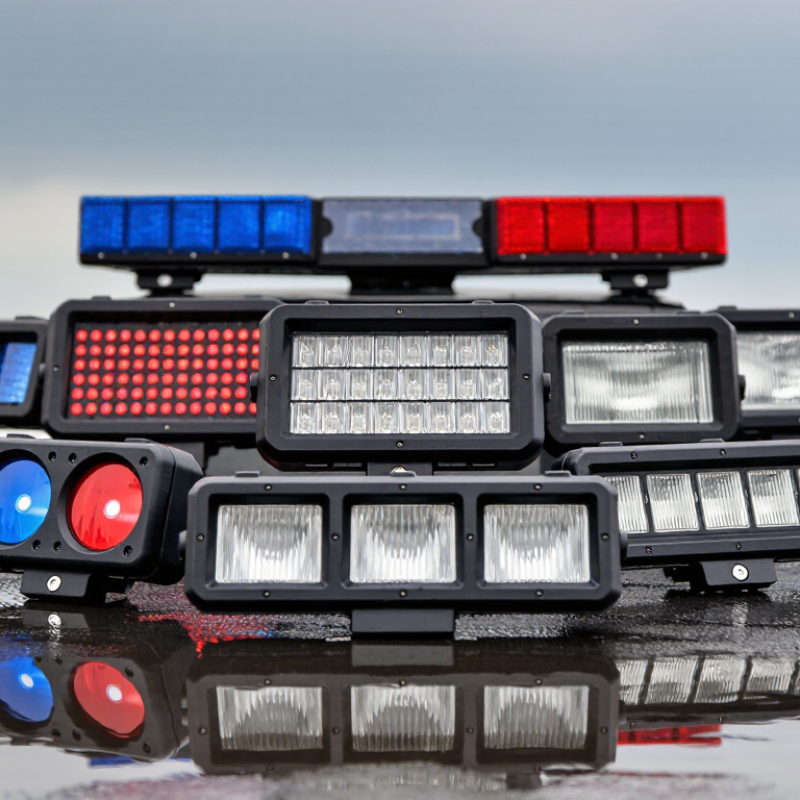
A high-quality police LED lightbar in 2026 is more than a bright row of diodes. In fleet inspections, I look for controlled optics, stable output, and clear warning patterns. LEDs should provide even coverage at intersections, without harsh hotspots. A reliable bar remains visible in rain, dust, and summer glare. That sounds obvious. It is often missed.
Thermal design matters as much as peak brightness. Aluminum heat paths, sealed electronics, and intelligent current control can prevent dimming during extended roadside use. Look for ingress protection testing, vibration resistance, and electromagnetic compatibility documentation. These details reveal more than a claimed lumen figure. A dependable controller should offer tactile switching, readable status feedback, and independent fault detection. Gloved operation matters. So does quiet startup.
Installation quality can decide performance. A rigid, low-profile mount should resist roof flex and support accurate alignment. Wiring needs abrasion protection, weather-sealed connections, and accessible service points. The best designs are not always the brightest; they are predictable at 2 a.m. Still, no product is perfect. Lens aging, road salt, and careless mounting can reduce output. Buyers should compare measured test data, warranty terms, repair procedures, and relevant vehicle standards before trusting impressive specifications.
Comparative specification guide based on commonly available emergency-vehicle lightbar configurations
| Rank | Recommended Lightbar Profile | Nominal Length | Approx. Height × Depth | System Voltage | Typical Current Draw | LED Configuration | Ingress Protection | Recommended Compliance | Best Use | High-Quality Indicators |
|---|---|---|---|---|---|---|---|---|---|---|
| 1 | Full-Size Dual-Color Patrol Lightbar | 48 in / 1,219 mm | 3.5–5.5 in × 11–13 in | 12 or 24 V DC | 12–25 A | 360° LED modules; red/blue or blue/amber | IP67 or higher | SAE J845; SAE J595 where applicable; CISPR 25 | Routine highway patrol and marked vehicles | Optically isolated LED sections, sealed connectors, aluminum heat management, independent corner modules |
| 2 | Low-Profile Aerodynamic Lightbar | 48 in / 1,219 mm | 2.0–3.0 in × 10–12 in | 12 or 24 V DC | 9–20 A | High-intensity front, rear and corner LED arrays | IP66/IP67 | SAE J845; EMC testing appropriate to vehicle installation | Vehicles where wind noise, clearance and appearance matter | Low drag profile, vibration-resistant base, efficient thermal path and sealed optics |
| 3 | 48-Inch Maximum-Visibility Lightbar | 48 in / 1,219 mm | 4.0–6.0 in × 12–14 in | 12 V DC | 18–35 A | Dense multi-row LED optics with wide-angle coverage | IP67 | SAE J845 Class 1 target; SAE J575 environmental testing | High-speed roads, intersections and heavy traffic areas | Balanced photometric output, wide horizontal viewing angle and replaceable modules |
| 4 | Compact SUV and Crossover Lightbar | 36 in / 914 mm | 3.0–5.0 in × 10–12 in | 12 V DC | 10–24 A | Front, rear and corner LED modules | IP66/IP67 | SAE J845; SAE J575 | Short-roof vehicles and urban patrol fleets | Vehicle-specific mounting, moderate power demand and unobstructed corner warning |
| 5 | 36-Inch Low-Current Patrol Lightbar | 36 in / 914 mm | 2.0–3.5 in × 9–11 in | 12 V DC | 7–16 A | Single-row or dual-row efficient LED modules | IP67 | SAE J845; SAE J575 | Long-idle vehicles and fleets with limited electrical capacity | Low standby current, regulated driver circuits, over-voltage protection and minimal heat buildup |
| 6 | Traffic-Control and Utility Lightbar | 24–36 in / 610–914 mm | 3.0–5.0 in × 9–12 in | 12 or 24 V DC | 8–22 A | Amber-dominant directional LED modules | IP67 | SAE J595; SAE J575; local amber-warning requirements | Roadside stops, traffic management and incident response | Directional flash control, high amber visibility, sealed end caps and corrosion-resistant hardware |
| 7 | All-Red or All-Blue Emergency Lightbar | 42–48 in / 1,067–1,219 mm | 3.5–5.5 in × 11–13 in | 12 V DC | 14–30 A | Single-color high-output LED arrays | IP67 | Applicable SAE J845 or regional emergency-warning standard | Agencies requiring a consistent single-color warning pattern | Uniform color output, controlled flash synchronization, high-temperature lens material and serviceable electronics |
| 8 | Dual-Color Supervisor and Command Lightbar | 48–54 in / 1,219–1,372 mm | 4.0–6.0 in × 12–14 in | 12 or 24 V DC | 18–38 A | Independently controlled red, blue, white and amber zones | IP67 | SAE J845; SAE J595; CISPR 25 where specified | Command vehicles and multi-role response units | Multiple programmable zones, synchronized flash patterns, protected control inputs and clear mode status |
| 9 | Heavy-Duty Commercial Vehicle Lightbar | 54–60 in / 1,372–1,524 mm | 4.0–6.5 in × 12–15 in | 12 or 24 V DC | 20–45 A | High-output LED modules with reinforced mounting rails | IP67/IP69K where specified | SAE J845; SAE J575; vehicle EMC requirements | Large SUVs, trucks and vehicles exposed to severe duty | Reinforced chassis, impact-resistant lenses, wide temperature range and high-load wiring protection |
| 10 | Modular Custom-Configuration Lightbar | 24–54 in / 610–1,372 mm | 2.5–6.0 in × 9–14 in | 12 or 24 V DC | 6–40 A | Interchangeable front, rear, corner and takedown modules | IP66/IP67 | Compliance depends on the selected optical layout and jurisdiction | Specialized fleets with different vehicle and warning requirements | Documented photometric test results, replaceable modules, configuration control and expandable wiring |
Choosing among the top police LED lightbars in 2026 requires more than comparing brightness. In practical vehicle checks, beam coverage matters just as much. A bar should produce clear forward, side, and rear visibility without creating harsh reflections on mirrors or wet roads. Compare flash patterns, synchronization options, and day-night brightness settings. Too much glare can reduce useful visibility.
Check the lightbar’s power draw, heat control, and wiring design. Efficient LEDs reduce battery strain during long roadside operations. A sealed housing, corrosion-resistant hardware, and a dependable mounting system also matter in rain, dust, and winter conditions. Look for clear ingress protection information, tested vibration resistance, and accessible replacement parts. A loose mount becomes a serious distraction.
Control layout deserves careful attention. Officers should identify patterns quickly, even while wearing gloves. Large tactile buttons and readable indicators usually outperform crowded touch controls. Review electromagnetic compatibility, vehicle integration, warranty terms, and technical support before purchasing. A brighter bar is not always better. In some evaluations, excessive output created distracting reflections near urban buildings. That result changed our testing approach. Measure visibility from several angles, not only from directly ahead. Personal judgment still matters, but documented tests make the decision more reliable.
Top 10 Police LED Lightbars and Their Best Uses
Choosing a police LED lightbar requires more than chasing maximum brightness. In fleet evaluations, beam pattern, heat control, wiring quality, and service access often matter more. These ten designs serve different operational needs.
A full-size roof bar suits highway patrol vehicles and wide road visibility. A low-profile bar fits authorized vehicles where reduced wind noise matters. A compact mini bar works well on supervisors’ vehicles and smaller units. An interior dash bar provides forward warning without permanent roof mounting. Grille lights improve front visibility near intersections. Rear deck lights help approaching traffic notice a stopped vehicle. Visor lights offer discreet installation inside the windshield. A rear traffic advisor guides drivers around lane closures. A split bar fits narrow roofs while maintaining side coverage. A temporary magnetic bar supports short-term fleet use, but its mounting deserves careful inspection.
Brightness alone can mislead. Poorly aimed LEDs may create glare, reflections, and unsafe confusion. Certified photometric performance is more useful than impressive advertising numbers. Look for sealed housings, corrosion-resistant connectors, replaceable modules, and clear controls. Amber, blue, or other colors must follow local authorization rules. Installation should protect airbags, visibility, and vehicle electronics.
A taller bar is not always better. During one practical comparison, a smaller unit produced better side coverage because its optics were designed more effectively. That result challenged my first assumption. Still, no lightbar solves every scene. Fleet managers should test units at night, in rain, and beside reflective road signs before approving a purchase.
Comparative application scores are based on practical factors such as warning coverage, intersection visibility, weather performance, installation flexibility, and suitability for different emergency-vehicle roles. Scores range from 1 to 10 and are intended as a purchasing guide rather than laboratory measurements.
How to read the chart: Full-width configurations are generally strongest for highway patrol and all-around warning coverage, while compact and low-profile designs are better suited to discreet vehicles, traffic units, and urban patrol operations.
Top 10 Police LED Lightbars to Buy in 2026?
Installation, Compatibility, and Legal Considerations
Choosing among the top ten police LED lightbars requires more than comparing brightness. Check the vehicle roof length, mounting points, available voltage, and current draw. A compact bar may suit a patrol SUV, while a full-width model can overwhelm a smaller roof. Measure twice. Confirm the bar’s ingress rating before regular exposure to rain, dust, and winter salt. Installation should include fused power, correctly sized wiring, sealed connectors, and a secure ground. Loose hardware can create vibration, noise, or dangerous detachment.
Compatibility deserves careful testing. Some modern vehicles use sensitive electronic networks that may react poorly to poorly isolated accessories. A qualified installer should verify the control switch, relay, dimming function, and battery capacity. Leave enough cable slack for service, but protect it from sharp metal edges. I have found that rushed wiring often looks acceptable during inspection, then develops faults months later. That detail matters. A written installation record can help technicians diagnose problems quickly.
Legal requirements vary by country, state, province, and municipality. Flash patterns, colors, siren integration, height, visibility, and permitted vehicle classes may all be regulated. Use restricted warning equipment only on properly authorized vehicles and through approved operational procedures. Confirm requirements with the relevant transport or public-safety authority before purchase. Some areas require inspection, certification, or documented professional installation. Do not assume a product sold online is automatically road legal. Specifications can change, and older guidance may no longer apply. A compliance check is less exciting than installation, but it prevents expensive mistakes.
Selecting the right police LED lightbar requires more than comparing brightness or price. Begin with the patrol vehicle’s roof length, mounting points, and available electrical capacity. Measure carefully. A bar that overhangs the roof can create noise, vibration, and poor weather resistance. Review certified test data for light output, beam coverage, visibility, heat control, and water protection. Marketing language alone is not enough.
Choose a lighting pattern that supports safe identification without distracting nearby drivers or officers. Wider coverage may help at intersections, while focused forward lighting can improve recognition from a distance.
Confirm that brightness, colors, flash patterns, and installation methods follow local traffic and emergency-vehicle requirements. A qualified installer should protect wiring with proper fuses, sealed connectors, and secure grounding.
Small details matter.
I once underestimated roof curvature during a vehicle setup. The brackets looked stable, but vibration loosened them after several shifts. That mistake stayed with me.
Check mounting strength again after road testing, especially on rough surfaces. Review control placement from the driver’s normal position, not from a workshop chair. Controls should be reachable without blocking essential vehicle functions.
Among the top ten lightbars available in 2026, the best choice is the one supported by reliable documentation, practical testing, serviceable parts, and a realistic maintenance plan. No lightbar is perfect.
„Thanks to the LUVIR technology, the solder resist process could be switched directly from the previously used mask exposure to direct exposure. As an outstanding digital solution on the market, this technology has been able to demonstrate fast process times and superior quality on our certified conventional ink in production. This allowed us to fully digitize the solder mask process at low cost – without process or ink adjustments. An excellent benefit to our production in Rot am See.“
Ralf Göhringer (Head of Production WE Rot am See)
I would definitely recommend the Limata machine and team for a future company purchase
Michael Greenaway
Compunetics Inc.
“The Limata ldi has been amazing!! Best thing we did was buy this machine”
Richard Brady
GM
Circuitlabs
“Since 2019, we have been running the Limata X1000 LDI system (including LUVIR for solder mask imaging) in daily production as an addition to our current process with film. The machine was capable of properly exposing Taiyo PSR-4000 BN (DI) solder mask types on normal to high-copper boards using a new and unique direct imaging process. The machine operating interface is very user friendly which allowed for a quick technical training curve. The pre-registration processing reduced several seconds of production time at every print. Limata support and service staff is incomparable. They supported our team every step of the way at basically any time of the day or night, with literally, an immediate response time, customizing the software interface to best fit our Operations and needs.
We have exposed more than 8,000 prints since end of October, on various solder mask colors and some resist film panels. Limata, has proven to be very capable and innovative. They are a strong contender in the industry.
We have very much enjoyed this project, and working with the team!
Thank you Limata for the continued support and being a part of our growth.”
Bill Sezate
Vice President, GM
Summit Interconnect
As a replacement to our current contact exposure process with film, the LIMATA X2000 system including LUVIR-Technology was capable of properly exposing non-LDI solder mask types using a direct imaging process. The machine offers cutting edge software with a very intuitive operating interface which allowed for quick technician training curve. The dual drawer system combined with pre-registration processing reduced several seconds of production time at every machine cycle. Limata support and service staff is world class. They added software patches to keep production running at shortest possible response times, customized the software interface to best fit our in-house Operations system, and even wrote a step-by-step machine processing manual. As a result of the project, we have exposed more than 16,000 times on various product types and solder mask brands/colors. Limata, in a very short timeframe as a company, has definitely shown they are truly innovative and will be challenging the industry of direct imaging for the top spot.
Kevin Beattie
Process Engineer
TTM Technologies
Forest Grove Division
