In the ever-evolving landscape of portable energy solutions, understanding the features of a Powerstation Battery is paramount. By 2026, the demand for robust and reliable power stations is expected to surge, driven by a rise in outdoor activities and emergency preparedness needs. Recent industry reports indicate that over 70% of consumers prioritize battery life and recharge speed when selecting a power station.
As we anticipate cutting-edge developments in battery technology, several critical features stand out. Advanced lithium-ion technologies promise greater efficiency and longer life cycles. However, challenges remain in balancing capacity with portability. Many users still experience frustrations with weight and size, indicating that not all models meet consumer expectations.
Moreover, sustainability has emerged as a crucial factor. Recycled materials in power station batteries can enhance eco-friendliness. However, not every brand commits to environmental standards, raising questions about authenticity in marketing claims. Professionals in the industry emphasize the need for thorough research before investing in these energy solutions. Understanding these features and considerations can lead to more informed purchases as consumers navigate this evolving market.
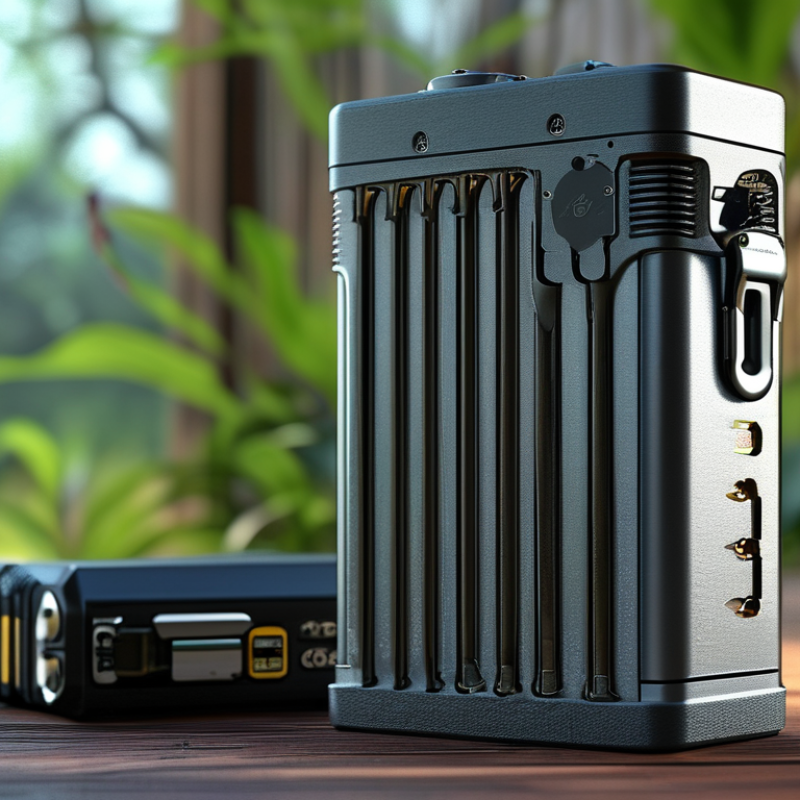
In 2026, powerstation batteries are evolving significantly. One critical feature is their energy density. Higher energy density allows these batteries to store more energy in a compact form. This makes them highly portable for outdoor activities. Users seek batteries that won’t burden them while hiking or camping.
Another important characteristic is battery life. Long-lasting power is essential for users who rely on devices for communication or navigation. The best batteries now offer multiple discharge cycles. This longevity reduces the need for constant recharging, particularly in remote areas. However, users should consider the trade-off between fast charging and battery lifespan. Fast charging can shorten the effective life of batteries over time.
Safety features have also become a focal point. Enhanced thermal management systems prevent overheating, a common issue in previous models. Yet, users need to remain aware of battery health over time. Regular inspection can mitigate risks. A battery may perform well but degrade especially if used improperly or in harsh conditions. Understanding these aspects can significantly improve user experiences and safety in 2026 powerstation batteries.
Advancements in battery technology are shaping the future of powerstations. Enhanced efficiency in battery design is crucial for sustainable energy solutions. New materials are being explored to increase energy density. This means smaller batteries can store more energy. Improved thermal management systems also contribute to better performance. They help maintain optimal operating temperatures, reducing wear and prolonging lifespan.
Some innovations focus on charging speed as well. Faster charging can significantly enhance user experience and reduce downtime. While these advancements are promising, challenges remain. Cost remains a barrier for many consumers. Additionally, the environmental impact of battery production needs further examination. The transition to greener technologies is a work in progress.
Designs are evolving as well. Portable power stations now integrate smarter technology. Users can monitor battery health through apps. This provides real-time updates and alerts. Despite all these improvements, there are still bugs to fix. User feedback plays a vital role in refining these technologies. Engaging with practical concerns ensures that future iterations will be increasingly reliable.
When evaluating power station batteries, understanding capacity and power output is vital. Battery capacity, measured in watt-hours (Wh), determines how long the device can run. A higher capacity means extended usage time. However, users often overlook how power output impacts overall efficiency. The power output, indicated in watts (W), dictates how quickly devices can be charged. Thus, a battery with a high capacity but low power output may not meet your needs.
Comparing different batteries reveals intriguing discrepancies. For instance, some batteries offer impressive capacity figures but fall short in delivering adequate power output for high-demand devices. This can lead to frustration when trying to charge multiple gadgets at once. Meanwhile, other batteries strike a balance, providing sufficient power without compromising capacity. It's essential to consider both metrics when selecting a battery.
Choosing the right battery becomes a nuanced decision. Many users mistakenly prioritize capacity over power output, only to find diminishing returns in practicality. As technology evolves, manufacturers aim to improve these metrics. Nonetheless, understanding individual needs remains paramount. It’s crucial to match the battery’s specifications with your typical usage scenarios for optimal performance.
| Battery Model | Capacity (Wh) | Power Output (W) | Charge Time (hrs) | Weight (lbs) | Ports |
|---|---|---|---|---|---|
| Model A | 2000 | 1500 | 6 | 35 | 3 AC, 2 USB |
| Model B | 2500 | 1800 | 8 | 40 | 4 AC, 3 USB |
| Model C | 3000 | 2000 | 5 | 45 | 2 AC, 4 USB |
| Model D | 3500 | 2200 | 7 | 50 | 3 AC, 2 USB-C |
When it comes to modern powerstation batteries, safety features play a pivotal role in ensuring both reliability and user protection. According to the International Electrotechnical Commission, power batteries must adhere to rigorous safety standards. Compliance with these standards helps mitigate risks such as thermal runaway and short-circuiting. The National Fire Protection Association reports that improper battery management can lead to severe incidents. It’s crucial for consumers to understand these risks and seek devices with robust safety measures.
Recent data from the Battery Safety Initiative emphasizes the importance of features like over-current protection and temperature regulation. These features can prevent overheating issues. For instance, powerstations equipped with battery management systems can monitor various metrics in real-time. This allows them to respond dynamically to potential hazards, enhancing overall safety. While many modern batteries boast high performance, the trade-offs aren’t always clear. Users should reflect on whether they prioritize speed or safety.
In the evolving landscape of battery technology, constant innovation brings both opportunities and challenges. Many powerstation batteries are increasingly designed with advanced materials that enhance safety. However, users must remain vigilant about choosing products from credible sources. The efficacy of safety features can vary significantly across different manufacturers, leading to discrepancies in user experiences.
As battery technology advances, environmental impact remains a key concern. The production and disposal of batteries generate waste and pollution. Understanding these aspects can help consumers make informed choices.
Many batteries contain harmful materials. The mining of metals like lithium can damage ecosystems. Recycling programs are crucial for reducing waste and promoting sustainability. Still, many batteries end up in landfills, contributing to environmental degradation.
Tips for responsible battery use include choosing rechargeable options. These reduce the frequency of disposal and resource extraction. Dispose of worn-out batteries at designated recycling points. Always stay informed about manufacturer practices regarding sustainability. This awareness can help push the market towards greener solutions.
„Thanks to the LUVIR technology, the solder resist process could be switched directly from the previously used mask exposure to direct exposure. As an outstanding digital solution on the market, this technology has been able to demonstrate fast process times and superior quality on our certified conventional ink in production. This allowed us to fully digitize the solder mask process at low cost – without process or ink adjustments. An excellent benefit to our production in Rot am See.“
Ralf Göhringer (Head of Production WE Rot am See)
I would definitely recommend the Limata machine and team for a future company purchase
Michael Greenaway
Compunetics Inc.
“The Limata ldi has been amazing!! Best thing we did was buy this machine”
Richard Brady
GM
Circuitlabs
“Since 2019, we have been running the Limata X1000 LDI system (including LUVIR for solder mask imaging) in daily production as an addition to our current process with film. The machine was capable of properly exposing Taiyo PSR-4000 BN (DI) solder mask types on normal to high-copper boards using a new and unique direct imaging process. The machine operating interface is very user friendly which allowed for a quick technical training curve. The pre-registration processing reduced several seconds of production time at every print. Limata support and service staff is incomparable. They supported our team every step of the way at basically any time of the day or night, with literally, an immediate response time, customizing the software interface to best fit our Operations and needs.
We have exposed more than 8,000 prints since end of October, on various solder mask colors and some resist film panels. Limata, has proven to be very capable and innovative. They are a strong contender in the industry.
We have very much enjoyed this project, and working with the team!
Thank you Limata for the continued support and being a part of our growth.”
Bill Sezate
Vice President, GM
Summit Interconnect
As a replacement to our current contact exposure process with film, the LIMATA X2000 system including LUVIR-Technology was capable of properly exposing non-LDI solder mask types using a direct imaging process. The machine offers cutting edge software with a very intuitive operating interface which allowed for quick technician training curve. The dual drawer system combined with pre-registration processing reduced several seconds of production time at every machine cycle. Limata support and service staff is world class. They added software patches to keep production running at shortest possible response times, customized the software interface to best fit our in-house Operations system, and even wrote a step-by-step machine processing manual. As a result of the project, we have exposed more than 16,000 times on various product types and solder mask brands/colors. Limata, in a very short timeframe as a company, has definitely shown they are truly innovative and will be challenging the industry of direct imaging for the top spot.
Kevin Beattie
Process Engineer
TTM Technologies
Forest Grove Division
