The demand for high-quality Rubber Roller Making Machines is on the rise. As industries evolve, manufacturers seek reliable equipment that meets their production needs. A top-notch machine can enhance efficiency and ensure consistent output.
In 2026, global buyers face various options when selecting a Rubber Roller Making Machine. This landscape can be overwhelming, and it demands careful consideration. Advanced technologies and innovations are emerging, making it crucial for buyers to understand what they need.
Choosing the right machine involves evaluating performance and durability. Buyers must reflect on their specific requirements. Not all machines will meet every need, and that realization can lead to smarter purchases. Knowledge and expertise will play a significant role in making informed decisions.
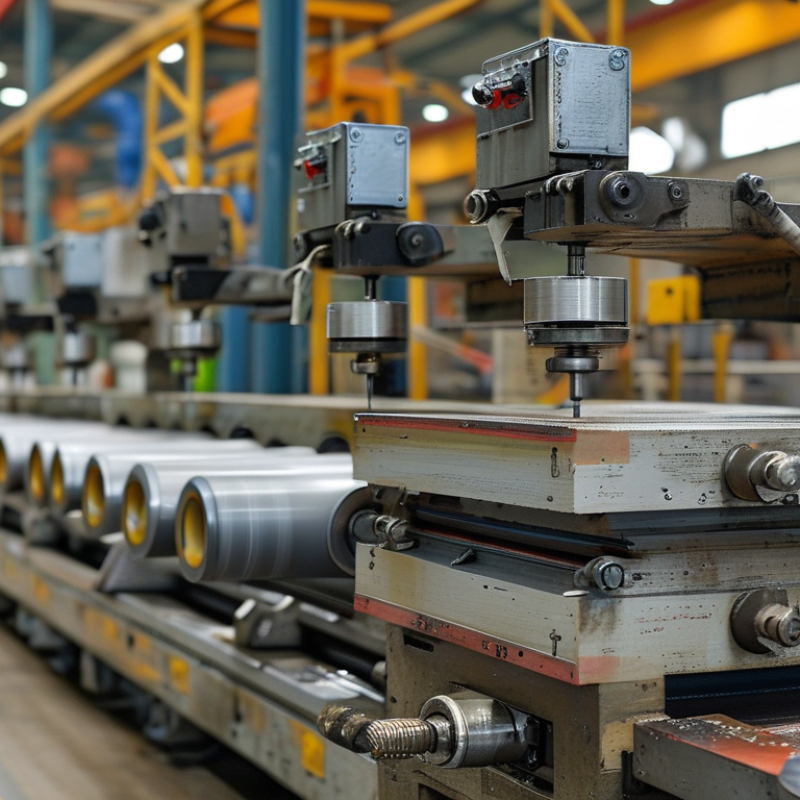
Rubber roller making machines play a crucial role in various industries. From printing to textile, these machines create essential components that influence production efficiency and product quality. According to industry reports, the global rubber roller market is expected to reach $4.88 billion by 2026, showcasing its importance.
The process of manufacturing rubber rollers involves precision engineering and quality control. Machines must accommodate diverse rubber compounds and specifications. An efficient machine can significantly reduce waste and increase output. However, some manufacturers struggle with outdated technology, leading to less efficient production methods. According to studies, around 30% of companies report inefficiencies due to inadequate machinery.
Innovation in rubber roller making machines is vital for staying competitive. Manufacturers should prioritize upgrading equipment to meet evolving market demands. Nonetheless, not all upgrades guarantee improvement. There is a need for careful evaluation of new technology. The challenges of integrating advanced machinery highlight the complexity of the industry. As this market grows, understanding the nuances of rubber roller production becomes increasingly essential for global buyers.
When selecting a rubber roller making machine, understanding the key features is crucial. These machines should offer precision in roller sizing. Look for units that provide adjustable settings for different roller diameters and lengths. This flexibility is essential.
Another important aspect is the material compatibility. The best machines can work with various rubber compounds. This ensures versatility in production. Always check if the machine can handle both synthetic and natural rubber effectively.
Tips: Consider the machine's durability. High-quality components lead to longer operational life. If components wear out quickly, production times will increase.
In addition, look for advanced automation features. Machines with integrated control systems reduce manual labor. This can improve efficiency significantly. However, keep in mind that not all automated systems are user-friendly. Try to evaluate ease of use along with advanced features. Balancing cutting-edge technology with practicality is key.
In 2026, the demand for rubber roller making machines continues to rise globally. Many manufacturers are entering this market, offering diverse solutions. The focus on automation and precision engineering has become a hallmark of top firms.
These advancements help improve production efficiency, thereby reducing waste and costs.
Several manufacturers stand out for their expertise and innovative designs. They prioritize the use of high-quality materials. This ensures the durability and reliability of the machines. However, the shift to sustainable practices poses challenges. Not all manufacturers adapt quickly to environmentally friendly methods. This inconsistency raises concerns about long-term viability in the market.
Global buyers are now more informed than ever. They seek not just functionality, but also ethical manufacturing processes. The role of technology in shaping production lines cannot be overlooked. It requires constant reflection on how machines can evolve.
Potential buyers should pay attention to the adaptation rates of various manufacturers. This often reflects their commitment to excellence in rubber roller production.
The global rubber roller production landscape is shaped by a variety of market trends. As per recent analysis, the rubber roller market is projected to grow at a CAGR of 6.5% from 2023 to 2028. This growth stems from increased demand across sectors like printing, packaging, and manufacturing. The digital printing industry's expansion particularly influences the trajectory of rubber roller manufacturing.
Sustainability is becoming increasingly important. Manufacturers are adopting eco-friendly materials, aligning operations with green initiatives. A survey by the International Rubber Study Group highlights that 45% of buyers prioritize sustainable practices when sourcing materials. However, not all manufacturers have implemented these changes effectively. Some struggle to meet the rising standards while maintaining cost competitiveness.
Automation and technological advancement also play crucial roles. The integration of Artificial Intelligence in manufacturing processes helps improve precision. Yet, reports indicate that 30% of rubber roller producers remain hesitant to invest in modern technology. This creates a significant gap in efficiency and product quality. The industry must innovate to stay relevant amid evolving consumer expectations.
When selecting a rubber roller making machine, understanding your specific needs is vital. Consider factors like production capacity and roller size. According to a 2023 industry report, demand for high-performance rollers growing significantly. The global rubber roller market is projected to reach $2.9 billion by 2027. This growth calls for machines that can keep up with evolving manufacturing standards.
Investing in technology is crucial. Machines utilizing advanced technologies offer better accuracy and efficiency. For instance, some machines feature programmable logic controllers (PLCs) for automation, which reduces labor costs. However, it’s essential to evaluate the learning curve associated with these technologies. Not all employees may adapt quickly.
Support and maintenance are equally critical. A machine with limited support options can lead to downtime. Review warranty details and available technical support from manufacturers. Choose a machine that allows for easy part replacements. Being aware of these aspects ensures a smoother operational process. Consider industry reviews for insights, as real user experience can illuminate significant pros and cons.
| Feature | Details |
|---|---|
| Machine Type | CNC Rubber Roller Making Machine |
| Production Capacity | 100-200 rollers per day |
| Power Consumption | 15 kW |
| Roller Diameter Range | 50 mm - 500 mm |
| Roller Length Range | 100 mm - 3000 mm |
| Control System | Fully Automatic PLC Control |
| Material Compatibility | Natural Rubber, PU, Silicone |
| Machine Weight | 1500 kg |
| Safety Features | Emergency Stop, Safety Guards |
| Maintenance Requirement | Regular Lubrication, Monthly Checks |
„Thanks to the LUVIR technology, the solder resist process could be switched directly from the previously used mask exposure to direct exposure. As an outstanding digital solution on the market, this technology has been able to demonstrate fast process times and superior quality on our certified conventional ink in production. This allowed us to fully digitize the solder mask process at low cost – without process or ink adjustments. An excellent benefit to our production in Rot am See.“
Ralf Göhringer (Head of Production WE Rot am See)
I would definitely recommend the Limata machine and team for a future company purchase
Michael Greenaway
Compunetics Inc.
“The Limata ldi has been amazing!! Best thing we did was buy this machine”
Richard Brady
GM
Circuitlabs
“Since 2019, we have been running the Limata X1000 LDI system (including LUVIR for solder mask imaging) in daily production as an addition to our current process with film. The machine was capable of properly exposing Taiyo PSR-4000 BN (DI) solder mask types on normal to high-copper boards using a new and unique direct imaging process. The machine operating interface is very user friendly which allowed for a quick technical training curve. The pre-registration processing reduced several seconds of production time at every print. Limata support and service staff is incomparable. They supported our team every step of the way at basically any time of the day or night, with literally, an immediate response time, customizing the software interface to best fit our Operations and needs.
We have exposed more than 8,000 prints since end of October, on various solder mask colors and some resist film panels. Limata, has proven to be very capable and innovative. They are a strong contender in the industry.
We have very much enjoyed this project, and working with the team!
Thank you Limata for the continued support and being a part of our growth.”
Bill Sezate
Vice President, GM
Summit Interconnect
As a replacement to our current contact exposure process with film, the LIMATA X2000 system including LUVIR-Technology was capable of properly exposing non-LDI solder mask types using a direct imaging process. The machine offers cutting edge software with a very intuitive operating interface which allowed for quick technician training curve. The dual drawer system combined with pre-registration processing reduced several seconds of production time at every machine cycle. Limata support and service staff is world class. They added software patches to keep production running at shortest possible response times, customized the software interface to best fit our in-house Operations system, and even wrote a step-by-step machine processing manual. As a result of the project, we have exposed more than 16,000 times on various product types and solder mask brands/colors. Limata, in a very short timeframe as a company, has definitely shown they are truly innovative and will be challenging the industry of direct imaging for the top spot.
Kevin Beattie
Process Engineer
TTM Technologies
Forest Grove Division
