In the ever-evolving food industry, the demand for high-quality products is significant. The sausage market is expected to grow rapidly, with a report from IBISWorld indicating annual revenue of approximately $7 billion in the United States alone. A reliable Sausage Making Machine is essential for businesses looking to meet consumer expectations while maintaining efficiency.
Experts in the field, like Chef Mark Adams, highlight the importance of these machines: “The right equipment can elevate your product and streamline production.” Investing in a top-tier Sausage Making Machine not only enhances flavor but also ensures consistency and quality. With myriad options available, selecting the best equipment can be a daunting task, especially with varying needs across different businesses.
However, the choice of a Sausage Making Machine shouldn't merely be based on features. Potential buyers should also consider long-term maintenance, cost-effectiveness, and support. A machine may promise efficiency and speed, but issues can arise if the support isn't up to par. Balancing these factors is crucial for sustainable growth in today’s competitive market.
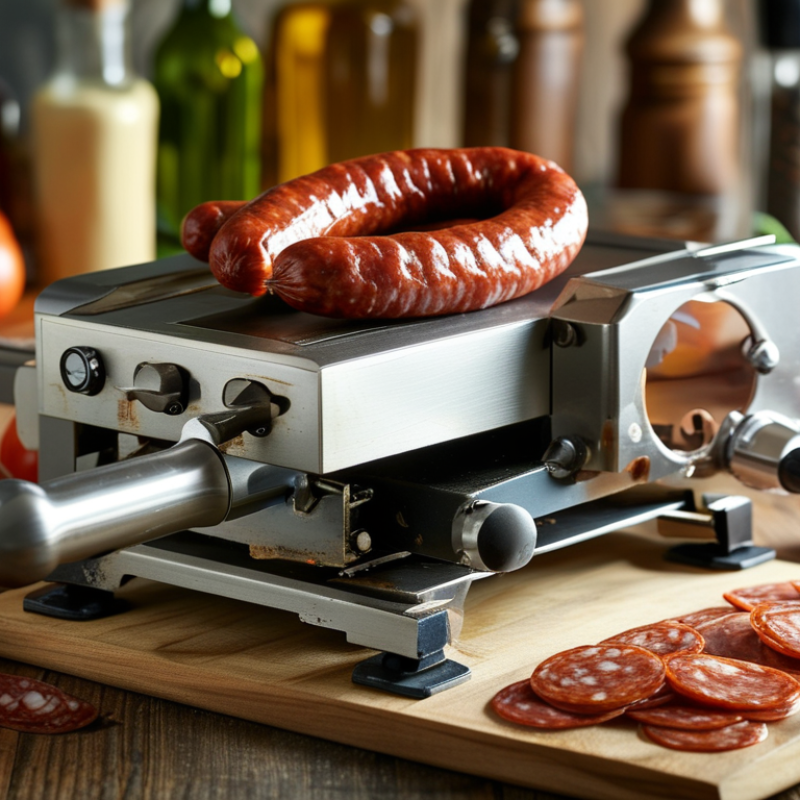
Sausage making machines play a crucial role in the food industry. They allow businesses to streamline production and meet customer demands efficiently. With the right equipment, companies can enhance their workflow, ensuring consistency in size and flavor. This precision not only boosts productivity but also elevates the quality of the final product. Customers appreciate uniformity, which fosters loyalty and repeat business.
Investing in high-quality sausage making machines can be daunting. Business owners may feel overwhelmed by the choices available. Understanding the specific needs of your operation is essential. Consider factors like production volume, space, and budget. Each aspect influences the success of your sausage production. Machines should not only fit current needs but also adapt to future growth. Reflecting on past experiences with equipment can guide better decisions.
The right machine can transform your sausage production. It blends efficiency with creativity. Experimenting with recipes using advanced equipment can lead to unique offerings that set your brand apart. However, it's important to keep refining techniques. Regular maintenance of machines ensures longevity and optimal performance. Evaluating operational challenges can uncover areas for improvement. Embracing innovation while reflecting on past practices can greatly benefit your business.
When selecting a sausage making machine for your business, several key features become critical. One important aspect is the production capacity. Depending on your needs, you may require a machine that can produce anywhere from 10 to 100 pounds of sausage per hour. Reports from the Food Industry Association indicate that output efficiency directly affects profitability. Higher capacity machines often lead to lowered labor costs and increased production rates over time.
Another essential feature to assess is the type of casing the machine can handle. Many operations prefer natural casings for their authentic flavors, while others opt for synthetic casings for consistency and ease of use. Each type has its pros and cons. The right choice often comes down to the specific product offerings of your business.
Durability and ease of cleaning should not be overlooked. According to a study by the American Meat Science Association, equipment longevity can be greatly affected by sanitation practices. Machines made from stainless steel offer higher resistance to corrosion and bacteria. However, they can also be heavier and more difficult to maneuver. Finding a balance between durability and usability is crucial for long-term operations.
Sausage making is a significant part of the food industry, with a reported market value of over $4 billion in the U.S. alone. Choosing the right sausage making machine can drastically affect production efficiency. Machines come in various sizes, capacities, and functionalities, influencing both quality and cost. For instance, a high-capacity machine can produce thousands of sausages in an hour, but the initial investment is often substantial.
Many businesses face challenges when selecting equipment. Not all machines are equal in terms of durability or ease of use. Data suggests that nearly 45% of small food enterprises reported equipment malfunctions within the first year. This can lead to significant downtime and lost revenue. Understanding these nuances is essential. Factors like maintenance requirements and available training for staff should also be considered when making a decision. The right equipment not only boosts production but also affects the overall quality of the sausages.
Comparing features is crucial. Look for machines with robust construction and user-friendly controls. Assess review data indicating durability ratings. Some machines might seem efficient but lack long-term reliability. Investing time in thorough research can prevent costly mistakes for any business serious about sausage production.
Maintaining your Sausage Making Equipment is crucial for ensuring consistent quality and longevity. Regular cleaning is a must. After each use, disassemble the machine carefully and clean all components. Bacteria can thrive in hard-to-reach areas. Pay special attention to the grinding plates and stuffers. Utilize brushes designed for small spaces to ensure thorough cleaning.
Lubrication is another important aspect of maintenance. Use food-grade lubricants on all moving parts. This keeps the machine running smoothly and reduces wear and tear. However, avoid over-lubrication as it can attract dust and debris.
Inspect parts frequently for any signs of wear. Check seals and gaskets regularly. Damage in these areas can affect performance. If something seems off, it’s best to address it sooner rather than later. Overall, maintenance may seem tedious, but it saves time and money. Routine checks can prevent major issues down the line.
When using sausage making machines, efficiency is key. Industrial reports show that well-maintained equipment can improve output by 30%. A lack of proper training is a common issue. Many workers do not fully understand machine operations, leading to slow production and errors. Regular training sessions can mitigate these problems. Aim to foster a knowledge-sharing culture among employees to enhance skills and efficiency.
Regular maintenance is essential for optimal performance. Data suggests that businesses lose about 15% of production time due to machine downtime. Routine checks and cleaning can prevent costly breakdowns. Additionally, integrating advanced technology can streamline operations. For instance, digital monitoring systems can help track usage and maintenance schedules effectively.
Even with robust practices, challenges remain. Variation in sausage formulations can require different settings and adjustments. This can lead to occasional inconsistencies in product quality. It's crucial to establish a feedback loop. Encourage producers to report issues, allowing for continuous improvement. Investing time in refining processes can lead to long-term gains in productivity and product consistency.
„Thanks to the LUVIR technology, the solder resist process could be switched directly from the previously used mask exposure to direct exposure. As an outstanding digital solution on the market, this technology has been able to demonstrate fast process times and superior quality on our certified conventional ink in production. This allowed us to fully digitize the solder mask process at low cost – without process or ink adjustments. An excellent benefit to our production in Rot am See.“
Ralf Göhringer (Head of Production WE Rot am See)
I would definitely recommend the Limata machine and team for a future company purchase
Michael Greenaway
Compunetics Inc.
“The Limata ldi has been amazing!! Best thing we did was buy this machine”
Richard Brady
GM
Circuitlabs
“Since 2019, we have been running the Limata X1000 LDI system (including LUVIR for solder mask imaging) in daily production as an addition to our current process with film. The machine was capable of properly exposing Taiyo PSR-4000 BN (DI) solder mask types on normal to high-copper boards using a new and unique direct imaging process. The machine operating interface is very user friendly which allowed for a quick technical training curve. The pre-registration processing reduced several seconds of production time at every print. Limata support and service staff is incomparable. They supported our team every step of the way at basically any time of the day or night, with literally, an immediate response time, customizing the software interface to best fit our Operations and needs.
We have exposed more than 8,000 prints since end of October, on various solder mask colors and some resist film panels. Limata, has proven to be very capable and innovative. They are a strong contender in the industry.
We have very much enjoyed this project, and working with the team!
Thank you Limata for the continued support and being a part of our growth.”
Bill Sezate
Vice President, GM
Summit Interconnect
As a replacement to our current contact exposure process with film, the LIMATA X2000 system including LUVIR-Technology was capable of properly exposing non-LDI solder mask types using a direct imaging process. The machine offers cutting edge software with a very intuitive operating interface which allowed for quick technician training curve. The dual drawer system combined with pre-registration processing reduced several seconds of production time at every machine cycle. Limata support and service staff is world class. They added software patches to keep production running at shortest possible response times, customized the software interface to best fit our in-house Operations system, and even wrote a step-by-step machine processing manual. As a result of the project, we have exposed more than 16,000 times on various product types and solder mask brands/colors. Limata, in a very short timeframe as a company, has definitely shown they are truly innovative and will be challenging the industry of direct imaging for the top spot.
Kevin Beattie
Process Engineer
TTM Technologies
Forest Grove Division
