In the construction industry, the importance of selecting the right Scaffold Plank cannot be overstated. According to a report by MarketsandMarkets, the global scaffolding market is expected to reach $60.5 billion by 2026, indicating robust growth that reflects the rising construction activity globally. Scaffold Planks, as key components of scaffolding systems, play a critical role in ensuring worker safety and project efficiency.
With various materials available, buyers face the challenge of choosing the most suitable options. For instance, wood planks, due to their affordability, are popular but may lack durability. Conversely, aluminum and steel planks provide strength but often come at a higher cost. A recent industry survey revealed that 73% of contractors prioritize safety and stability over cost when selecting Scaffold Planks. This underscores the need for informed decision-making to balance budget constraints with safety requirements.
Furthermore, regional differences in regulations and material availability complicate the selection process for global buyers. What works in one market may not be suitable in another. As we explore the top five Scaffold Plank options, it's essential to consider these various factors, ensuring that all choices align with both safety standards and operational needs.
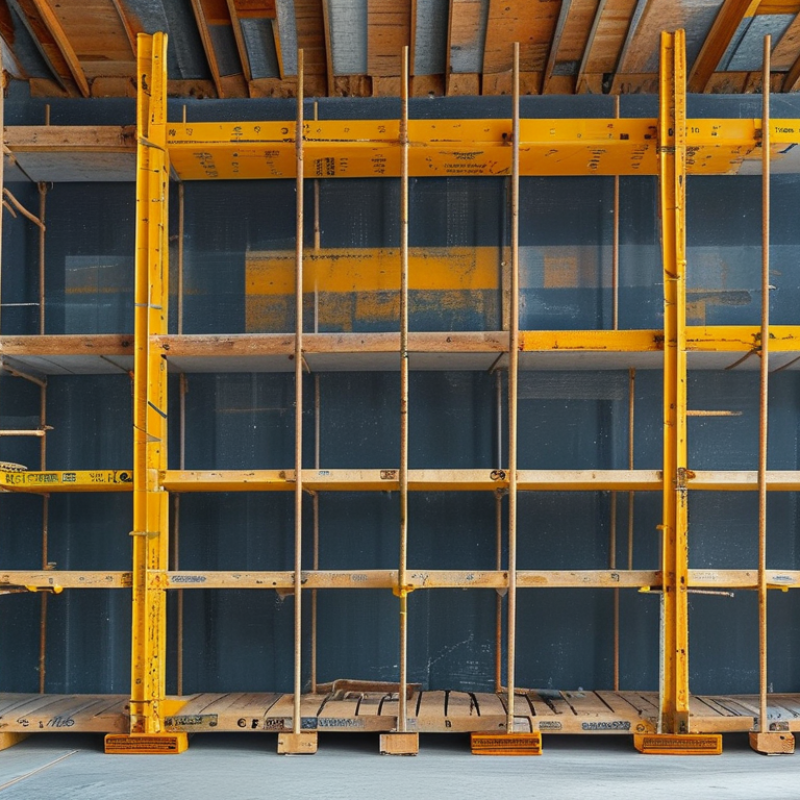
When choosing scaffold planks, material selection is crucial. Different materials offer varying levels of strength, durability, and safety. Wood, for instance, has been a traditional choice. It is readily available and relatively inexpensive. However, wooden planks can splinter, warp, or decay over time, which may pose safety risks.
Metal planks are another popular option. They provide superior strength and resistance to environmental factors. Aluminum and steel are commonly used in construction. These materials may increase upfront costs, but their longevity can justify the investment. Metal planks can also support heavier loads, which is essential for many construction sites.
Composite materials are emerging in the market. These can combine the benefits of natural and synthetic materials. They tend to be lighter than wood yet sturdier than conventional plastics. However, their performance in extreme weather can vary. Global buyers should analyze their construction needs and site conditions before making a decision. Ultimately, choosing the right scaffolding material requires careful consideration of both safety and economics.
When selecting scaffold planks, several key features require attention. Material type plays a crucial role. Common options include wood, metal, and composites. Each material has its strengths and limitations. For instance, wooden planks can be cost-effective but may deteriorate over time. Metal options provide durability but can be heavier and more expensive.
Load capacity is another critical factor. It's vital to ensure the plank can support the intended weight, including workers and equipment. Checking the manufacturer's specifications is essential. Safety features should not be overlooked. Some planks come with slip-resistant surfaces, enhancing stability while working at heights.
Lastly, consider size and portability. The length and thickness of the planks can affect their ease of handling and storage. If workers need to transport them frequently, lighter, and more compact planks might be advantageous. Reflecting on these aspects can lead to a more informed decision, ensuring safety and efficiency on construction sites.
When selecting scaffold planks, buyers often prioritize both price and performance. Recent industry reports highlight that the cost of timber scaffold planks ranges from $2 to $6 per linear foot, depending on quality. Composite planks, though typically more expensive at $8 to $12 per linear foot, offer durability and a longer lifespan. This price consideration is crucial for global buyers managing tight budgets.
Performance metrics indicate that timber planks generally have a load capacity of up to 50 pounds per square foot. However, composite options can withstand 75 pounds per square foot, making them a safer choice for larger projects. Safety performance varies across materials. Some timber planks may splinter, posing risks at construction sites. On the other hand, composite materials resist weathering and provide excellent grip, which can reduce accidents.
Despite the advantages, not all composite materials are eco-friendly. Buyers must consider sourcing and recycling options. Likewise, timber needs careful inspection, as untreated options can lead to rapid deterioration in moist climates. Finding a balance between cost and performance involves examining available materials, understanding their limitations, and investing in safer choices.
When sourcing scaffold planks, buyers must prioritize quality to ensure safety and compliance. Reports indicate that scaffolding accidents account for 35% of construction-related fatalities. Therefore, selecting reliable materials is critical. Buyers should look for planks made from treated wood or high-strength composite materials. These options not only offer durability but also provide better resistance to adverse weather conditions.
Quality assurance is indispensable in this process. Buyers should require certifications representing compliance with industry standards, such as ASTM or EN. Factories with ISO 9001 certification demonstrate that they follow rigorous quality management practices. However, even certified manufacturers can mislabel products. It's crucial to conduct on-site inspections and random testing of scaffold planks.
Engaging local experts can also help navigate potential pitfalls in sourcing. Language barriers and cultural differences can lead to misunderstanding specifications. Building relationships in the supplier's home country might reduce risks. Additionally, seeking recommendations from industry peers can provide insights into trustworthy suppliers. Ultimately, the goal is to ensure safety while maintaining cost-effectiveness across the board.
Global regulations significantly influence the selection of scaffold planks. Safety standards vary across regions. In the U.S., OSHA mandates specific specifications for scaffold materials, primarily aiming to reduce workplace injuries. For example, wooden planks must meet ANSI standards, ensuring load capacities and durability.
In Europe, EN 12811 standards provide guidelines for scaffold safety. These regulations dictate the types of materials allowed. They focus on strength and flexibility, impacting construction practices. In countries like Germany and the UK, these regulations have led to the preference for aluminum and composite materials. According to recent reports, more than 60% of contractors in the EU are opting for aluminum due to its lightweight and corrosion-resistant properties.
Additionally, environmental concerns are shaping regulations. The push for sustainable materials is gaining traction. Many regions are encouraging the use of recycled materials in scaffold manufacturing. However, compliance with these evolving regulations can be challenging. Companies often struggle to balance cost with compliance. Understanding these regulations is crucial for global buyers in the scaffold industry.
„Thanks to the LUVIR technology, the solder resist process could be switched directly from the previously used mask exposure to direct exposure. As an outstanding digital solution on the market, this technology has been able to demonstrate fast process times and superior quality on our certified conventional ink in production. This allowed us to fully digitize the solder mask process at low cost – without process or ink adjustments. An excellent benefit to our production in Rot am See.“
Ralf Göhringer (Head of Production WE Rot am See)
I would definitely recommend the Limata machine and team for a future company purchase
Michael Greenaway
Compunetics Inc.
“The Limata ldi has been amazing!! Best thing we did was buy this machine”
Richard Brady
GM
Circuitlabs
“Since 2019, we have been running the Limata X1000 LDI system (including LUVIR for solder mask imaging) in daily production as an addition to our current process with film. The machine was capable of properly exposing Taiyo PSR-4000 BN (DI) solder mask types on normal to high-copper boards using a new and unique direct imaging process. The machine operating interface is very user friendly which allowed for a quick technical training curve. The pre-registration processing reduced several seconds of production time at every print. Limata support and service staff is incomparable. They supported our team every step of the way at basically any time of the day or night, with literally, an immediate response time, customizing the software interface to best fit our Operations and needs.
We have exposed more than 8,000 prints since end of October, on various solder mask colors and some resist film panels. Limata, has proven to be very capable and innovative. They are a strong contender in the industry.
We have very much enjoyed this project, and working with the team!
Thank you Limata for the continued support and being a part of our growth.”
Bill Sezate
Vice President, GM
Summit Interconnect
As a replacement to our current contact exposure process with film, the LIMATA X2000 system including LUVIR-Technology was capable of properly exposing non-LDI solder mask types using a direct imaging process. The machine offers cutting edge software with a very intuitive operating interface which allowed for quick technician training curve. The dual drawer system combined with pre-registration processing reduced several seconds of production time at every machine cycle. Limata support and service staff is world class. They added software patches to keep production running at shortest possible response times, customized the software interface to best fit our in-house Operations system, and even wrote a step-by-step machine processing manual. As a result of the project, we have exposed more than 16,000 times on various product types and solder mask brands/colors. Limata, in a very short timeframe as a company, has definitely shown they are truly innovative and will be challenging the industry of direct imaging for the top spot.
Kevin Beattie
Process Engineer
TTM Technologies
Forest Grove Division
