In the world of industrial valves, Side Entry Ball Valves play a critical role. Their design allows for easy access and maintenance, making them a preferred choice in various applications. Choosing the right valve is essential for efficiency and reliability.
The global market offers numerous options, but understanding their features is vital. Not all Side Entry Ball Valves are created equal. Differences in materials, pressure ratings, and design can impact performance. Buyers need to consider their specific needs carefully.
This guide highlights the top 10 Side Entry Ball Valves. Each selection stands out for its durability, ease of use, and proven performance. The goal is to provide insights that help buyers make informed decisions. With the right valve, operational efficiency can significantly improve.
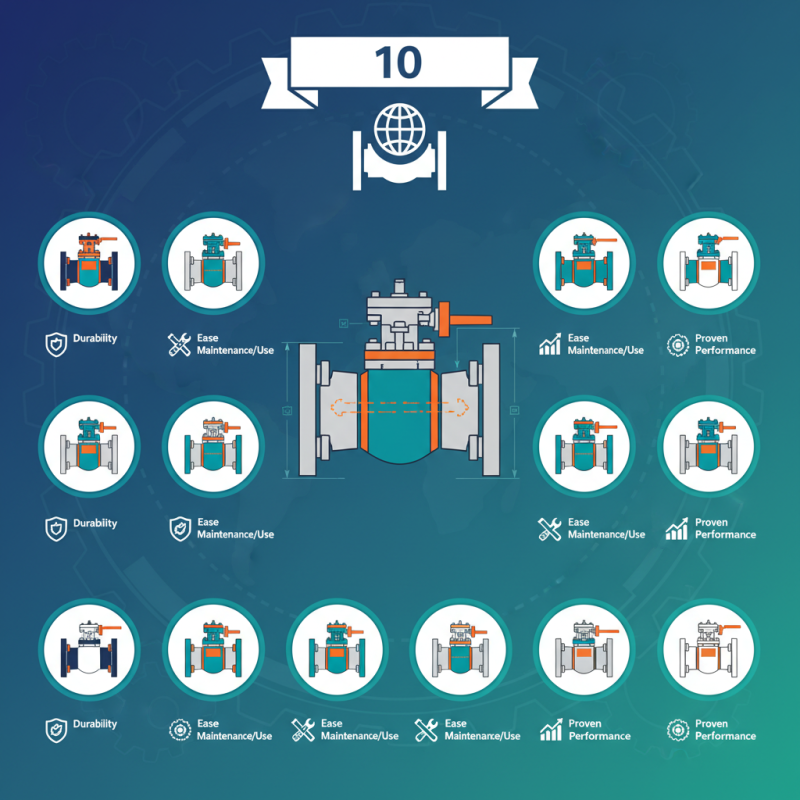
Side entry ball valves are essential components in various industrial applications. Their design allows for easy installation and maintenance, making them popular in the process industries. These valves help control the flow of fluids effectively. The side entry feature enables robust sealing and minimizes leaks, enhancing reliability.
When selecting a side entry ball valve, consider material compatibility. Different environments require specific materials to resist corrosion and wear. This ensures longevity in applications like oil and gas, water treatment, and chemical processing. Always assess the pressure and temperature ratings. Using valves within these limits promotes safety and performance.
Tips to keep in mind: Regularly inspect your valves for wear and tear. This can prevent unplanned downtime. Also, ensure proper alignment during installation. Misalignment can cause premature failure. A little attention goes a long way in maintaining valve efficiency and safety in the long run.
When considering side entry ball valves, industry standards play a significant role in guiding buyers. Many manufacturers adhere to specific protocols, ensuring safety and reliability. This consistency is crucial for maintaining the quality of these valves across various applications. Understanding the standards can help buyers make informed choices.
One essential standard to be aware of is the ISO 9001 certification. This indicates that a manufacturer commits to quality management systems. Look for valves that meet this requirement for assurance. Another key aspect is material specifications. Valves should be constructed from corrosion-resistant materials, depending on the application.
Tips: Always verify product certifications before purchase. Research common materials used in your industry to ensure compatibility. Regular maintenance is key; neglected valves can lead to costly failures. Investing time in understanding these factors can yield better long-term results. Be cautious of low-cost options that may not meet industry standards.
| Model Number | Material | Pressure Rating (PN) | Size range (inch) | Connection Type | Temperature Rating (°C) |
|---|---|---|---|---|---|
| V001 | Carbon Steel | 16 | 1 - 6 | Flanged | -20 to 180 |
| V002 | Stainless Steel | 40 | 2 - 8 | Welded | -50 to 200 |
| V003 | Brass | 30 | 1/2 - 4 | Threaded | -10 to 150 |
| V004 | PVC | 10 | 1 - 3 | Socket | 0 to 60 |
| V005 | CPVC | 16 | 1 - 6 | Socket | 0 to 90 |
| V006 | Ductile Iron | 25 | 2 - 10 | Flanged | -40 to 200 |
| V007 | Cast Iron | 20 | 3 - 12 | Flanged | -10 to 150 |
| V008 | Alloy Steel | 40 | 2 - 8 | Welded | -20 to 200 |
| V009 | Nickel Alloy | 50 | 2 - 6 | Flanged | -50 to 250 |
| V010 | Titanium | 100 | 1 - 2 | Threaded | -100 to 300 |
When selecting side entry ball valves, material considerations play a crucial role. Material choice impacts the valve's longevity and performance under various conditions. Common materials include carbon steel, stainless steel, and polymer composites. Each material has its own strengths and weaknesses, which can affect reliability.
Stainless steel, for example, is resistant to corrosion and robust against high temperatures. It's a frequent choice for industries like oil and gas. However, it can be more expensive than alternatives. On the other hand, carbon steel offers good durability but may struggle in corrosive environments. Polymer composites are lightweight and resistant to chemicals, but their mechanical strength can be lower.
Despite the advantages each material presents, challenges still exist. Variability in manufacturing processes can lead to inconsistencies. You may find that not all valves meet expectations, even from reputable suppliers. Regular testing and quality checks are essential. Buyers must consider these factors carefully to ensure optimal performance.
When considering side entry ball valves, understanding performance metrics like flow coefficient and pressure ratings is crucial. The flow coefficient (Cv) indicates how well a valve allows fluid to pass through. It reflects the valve's efficiency in different applications. Higher Cv values mean more fluid can flow with less pressure drop. Therefore, selecting a valve with an appropriate Cv is essential for maintaining system performance.
Pressure ratings define how much pressure a valve can handle without failure. It's vital to choose a valve that can withstand system pressures to avoid leaks or catastrophic failures. Overlooking these metrics can lead to issues in your system. It's a common mistake that can result in costly downtime. Always verify the pressure ratings before making a decision.
Tips: Choose a valve that matches your system's specific requirements. Be cautious of assumptions about pressure limits. Always refer to reliable technical specifications. Remember, even small variances in Cv can impact flow dramatically. Regularly review your setup to ensure its effectiveness. Addressing potential weaknesses now can prevent larger problems in the future.
The side entry ball valve market is evolving rapidly. One significant trend is the increasing adoption of smart technologies. Smart valves provide real-time data and analytics. This capability enhances operational efficiency and reduces maintenance costs. More users are prioritizing energy efficiency. As regulations become stricter, manufacturers focus on creating eco-friendly options.
Another emerging trend is the use of innovative materials. Advanced polymers and composites are being introduced to improve durability. These materials offer better resistance to corrosion and wear. As industries face harsh environments, this advancement is crucial. However, the long-term reliability of these materials remains a point of consideration.
Tips for buyers: Ensure that you evaluate the materials used in valves. Prioritize those that align with your operational environment. Research the benefits of integrating smart technology. It can significantly impact your decision-making process. This trend reflects a broader shift towards automation in industrial processes. Understanding these innovations will help buyers make informed choices.
„Thanks to the LUVIR technology, the solder resist process could be switched directly from the previously used mask exposure to direct exposure. As an outstanding digital solution on the market, this technology has been able to demonstrate fast process times and superior quality on our certified conventional ink in production. This allowed us to fully digitize the solder mask process at low cost – without process or ink adjustments. An excellent benefit to our production in Rot am See.“
Ralf Göhringer (Head of Production WE Rot am See)
I would definitely recommend the Limata machine and team for a future company purchase
Michael Greenaway
Compunetics Inc.
“The Limata ldi has been amazing!! Best thing we did was buy this machine”
Richard Brady
GM
Circuitlabs
“Since 2019, we have been running the Limata X1000 LDI system (including LUVIR for solder mask imaging) in daily production as an addition to our current process with film. The machine was capable of properly exposing Taiyo PSR-4000 BN (DI) solder mask types on normal to high-copper boards using a new and unique direct imaging process. The machine operating interface is very user friendly which allowed for a quick technical training curve. The pre-registration processing reduced several seconds of production time at every print. Limata support and service staff is incomparable. They supported our team every step of the way at basically any time of the day or night, with literally, an immediate response time, customizing the software interface to best fit our Operations and needs.
We have exposed more than 8,000 prints since end of October, on various solder mask colors and some resist film panels. Limata, has proven to be very capable and innovative. They are a strong contender in the industry.
We have very much enjoyed this project, and working with the team!
Thank you Limata for the continued support and being a part of our growth.”
Bill Sezate
Vice President, GM
Summit Interconnect
As a replacement to our current contact exposure process with film, the LIMATA X2000 system including LUVIR-Technology was capable of properly exposing non-LDI solder mask types using a direct imaging process. The machine offers cutting edge software with a very intuitive operating interface which allowed for quick technician training curve. The dual drawer system combined with pre-registration processing reduced several seconds of production time at every machine cycle. Limata support and service staff is world class. They added software patches to keep production running at shortest possible response times, customized the software interface to best fit our in-house Operations system, and even wrote a step-by-step machine processing manual. As a result of the project, we have exposed more than 16,000 times on various product types and solder mask brands/colors. Limata, in a very short timeframe as a company, has definitely shown they are truly innovative and will be challenging the industry of direct imaging for the top spot.
Kevin Beattie
Process Engineer
TTM Technologies
Forest Grove Division
