A Smart Photo Booth is more than a camera beside a touchscreen. It is a compact guest experience, combining image quality, lighting, software, printing, and sharing. For global buyers, the right choice depends on more than a polished product photo. It must also fit the venue, event style, support needs, and available budget.
Ansel Adams, the renowned photographer, wrote, “You don’t take a photograph, you make it.” His words were not about modern photo booths, but they capture an important buying question: how much control does each system give users over the final image? A bright screen cannot compensate for uneven lighting or confusing software. Small details matter. So does reliability.
This Top 10 guide compares Smart Photo Booth options through practical criteria: camera and lighting performance, customization, setup, printing, sharing, durability, and after-sales support. It considers different needs, from a compact booth for a hotel lobby to a more elaborate setup for high-volume events. Global buyers should also check regional service coverage and compatibility before ordering. Those details are easy to overlook.
No single model suits every buyer. Some features may look impressive in a demo yet add little value on site. A closer comparison helps separate useful tools from attractive extras—and makes the final choice more informed.
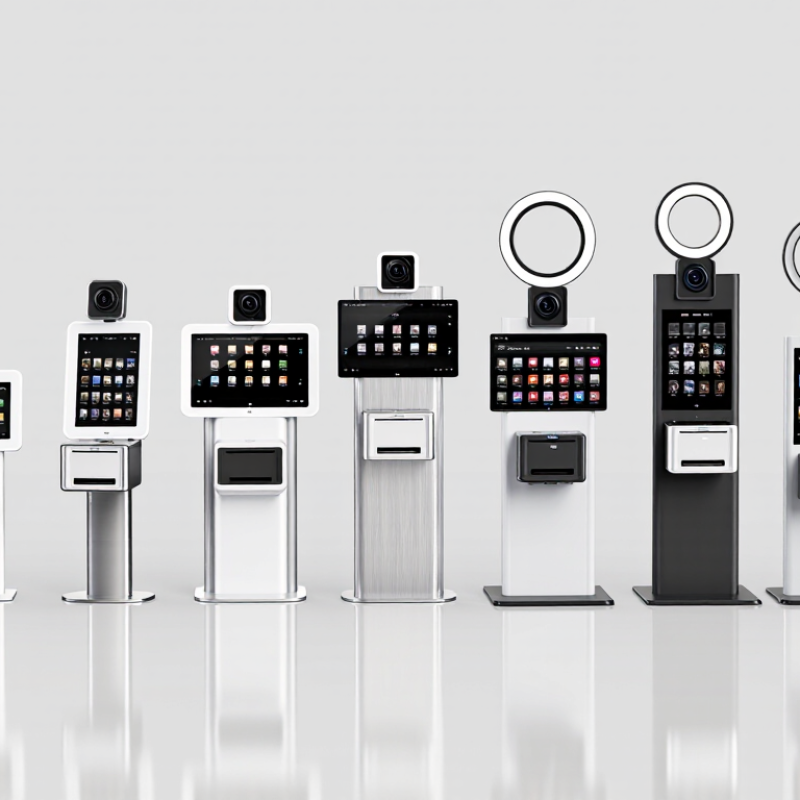
A smart photo booth is a self-service imaging station that captures, processes, and shares photos with limited staff support. Its core components include a camera, lens, lighting, touchscreen, computer, printer, and network connection. Some models add sensors or software for background removal, digital props, and image filtering. In practice, the screen should remain readable under bright venue lights, while the camera and flash need to handle different skin tones and group sizes. Details matter.
Core functions typically include guided capture, image preview, optional printing, and delivery through a QR code, email, or text message. Grand View Research estimated the global photo booth market at USD 818.4 million in 2023 and projected a 9.7% compound annual growth rate from 2024 to 2030. This market estimate signals commercial interest, but it does not prove that every feature will suit every venue. Buyers should test workflow speed, image quality, and network performance before deployment.
Tips: Ask for a live demonstration using your expected lighting and busiest group size. Check whether the booth can keep operating when the internet drops. Also confirm how images are stored and deleted; product specifications can leave this point unclear. Keep it simple.
A smart photo booth is more than a camera behind a screen. Its image quality depends on the lens, sensor, and lighting working together. Soft, even light helps faces look natural, while a bright touchscreen makes choices easier in a dim event hall.
Small details matter. A clear countdown and a visible preview can prevent missed shots. Background removal and filters add flexibility, but they work best when the subject is well lit and separated from the backdrop. Automation is not magic.
Connectivity shapes the experience, too. A stable network can support digital sharing, remote setup, and software updates, though booths should still handle temporary signal loss gracefully. Operators should check storage controls, access permissions, and image-retention settings before an event. These are practical safeguards, not optional extras.
Accessibility also deserves attention: readable text, reachable controls, and simple instructions help more guests use the booth without assistance. Test the workflow. A feature that looks impressive in a product demo may feel slow when a queue forms.
Reliable printing, quick resets, and easy-to-clean touch surfaces can matter more during a long event than another flashy effect.
Smart photo booths serve different needs, and the best format depends on the venue. Enclosed booths suit malls and family entertainment centers, where privacy, simple touchscreens, and quick prints matter. Open-air booths work better at weddings, trade shows, and hotel events; guests can gather around a wide backdrop. A 2023 Grand View Research report valued the global photo booth market at about US$818.8 million and projected 9.7% annual growth through 2030. That estimate suggests room for varied formats, not one universal winner.
For brand activations and nightlife venues, 360-degree booths capture short rotating videos, but they need floor space and staff oversight. Compact self-service kiosks fit retail counters and smaller venues, especially when digital delivery matters more than printed strips. DataReportal’s Digital 2024 report counted 5.04 billion social media user identities worldwide, supporting the appeal of easy-to-share images, though this is not direct evidence of booth sales. Practical details still decide performance: lighting, queue time, accessible controls, and reliable connectivity. A dazzling setup can disappoint when uploads lag. Some buyers may also overestimate how much novelty alone will drive repeat use.
For global buyers, a smart photo booth is more than a camera and a bright screen. The right setup should fit the venue, local workflows, and the people using it. A practical top-ten comparison might include compact kiosk booths, mirror booths, 360-degree platforms, roaming units, and enclosed models. Each serves a different setting. A hotel lobby needs a small footprint; a trade-show floor may need fast sharing and durable wheels.
Check the details before comparing prices. Can the interface display the languages your guests need? Does the booth support the venue’s power supply and network conditions? Look for adjustable lighting, a sharp camera, accessible controls, and clear instructions on photo storage and sharing. Test the screen under strong overhead lights. Small text can disappear in a busy hall. Ask for real sample images, not only polished catalog shots.
Convenience matters. So does maintenance. Confirm how quickly staff can reload paper, clean the screen, or restart the system without a technician. For international use, written setup guides and responsive support can save a difficult event day. Still, a longer feature list does not always mean a better booth. I would compare each option in the actual venue when possible; online specifications can miss awkward cable placement or cramped guest space. Some surprises are avoidable. Others are not.
Choosing a smart photo booth means matching its features to the way your business actually operates. Start with the guest experience: Can visitors begin a session without staff coaching them? Check screen brightness, camera performance in dim rooms, and how quickly prints or digital galleries are delivered. Test it live. A smooth demo matters more than a long feature list, but ask to see the system handle a busy queue.
Look closely at setup and ongoing costs. Measure the booth’s footprint, confirm its power requirements, and check whether its software works reliably with your venue’s internet connection. For international purchases, clarify shipping, installation guidance, replacement parts, and support hours across time zones. Small details matter. Ask how updates are delivered and whether staff can change templates, languages, or print layouts without technical help.
Privacy controls, data storage options, and clear guest consent tools deserve attention, especially when photos are shared online. Request written specifications and a realistic service plan, not just sales estimates. If possible, run a full event simulation with sample lighting, props, and several users. A booth may look impressive in a showroom and feel cumbersome after three hours of operation. That difference is easy to underestimate.
Suggested evaluation weights for comparing photo booths for your business (%)
Prioritize total cost, reliability, and image quality, then adjust the weights to fit your venue, audience, and business model. These are illustrative planning weights, not results from a market survey.
„Thanks to the LUVIR technology, the solder resist process could be switched directly from the previously used mask exposure to direct exposure. As an outstanding digital solution on the market, this technology has been able to demonstrate fast process times and superior quality on our certified conventional ink in production. This allowed us to fully digitize the solder mask process at low cost – without process or ink adjustments. An excellent benefit to our production in Rot am See.“
Ralf Göhringer (Head of Production WE Rot am See)
I would definitely recommend the Limata machine and team for a future company purchase
Michael Greenaway
Compunetics Inc.
“The Limata ldi has been amazing!! Best thing we did was buy this machine”
Richard Brady
GM
Circuitlabs
“Since 2019, we have been running the Limata X1000 LDI system (including LUVIR for solder mask imaging) in daily production as an addition to our current process with film. The machine was capable of properly exposing Taiyo PSR-4000 BN (DI) solder mask types on normal to high-copper boards using a new and unique direct imaging process. The machine operating interface is very user friendly which allowed for a quick technical training curve. The pre-registration processing reduced several seconds of production time at every print. Limata support and service staff is incomparable. They supported our team every step of the way at basically any time of the day or night, with literally, an immediate response time, customizing the software interface to best fit our Operations and needs.
We have exposed more than 8,000 prints since end of October, on various solder mask colors and some resist film panels. Limata, has proven to be very capable and innovative. They are a strong contender in the industry.
We have very much enjoyed this project, and working with the team!
Thank you Limata for the continued support and being a part of our growth.”
Bill Sezate
Vice President, GM
Summit Interconnect
As a replacement to our current contact exposure process with film, the LIMATA X2000 system including LUVIR-Technology was capable of properly exposing non-LDI solder mask types using a direct imaging process. The machine offers cutting edge software with a very intuitive operating interface which allowed for quick technician training curve. The dual drawer system combined with pre-registration processing reduced several seconds of production time at every machine cycle. Limata support and service staff is world class. They added software patches to keep production running at shortest possible response times, customized the software interface to best fit our in-house Operations system, and even wrote a step-by-step machine processing manual. As a result of the project, we have exposed more than 16,000 times on various product types and solder mask brands/colors. Limata, in a very short timeframe as a company, has definitely shown they are truly innovative and will be challenging the industry of direct imaging for the top spot.
Kevin Beattie
Process Engineer
TTM Technologies
Forest Grove Division
