Sourcing textile machine parts is crucial for manufacturers worldwide. A solid understanding of these components can enhance production efficiency. In a competitive industry, the right parts can significantly impact output quality and operational cost.
Textile machine parts include various elements that ensure machinery runs smoothly. From spindles to looms, each component plays a vital role. However, sourcing these parts can pose challenges, such as quality inconsistencies and lead times.
Having reliable suppliers is essential for success. Established partnerships can lead to better pricing and access to high-quality parts. Companies must evaluate their supply chains and identify gaps. By focusing on the right equipment, businesses can avoid costly mistakes and improve their overall performance.
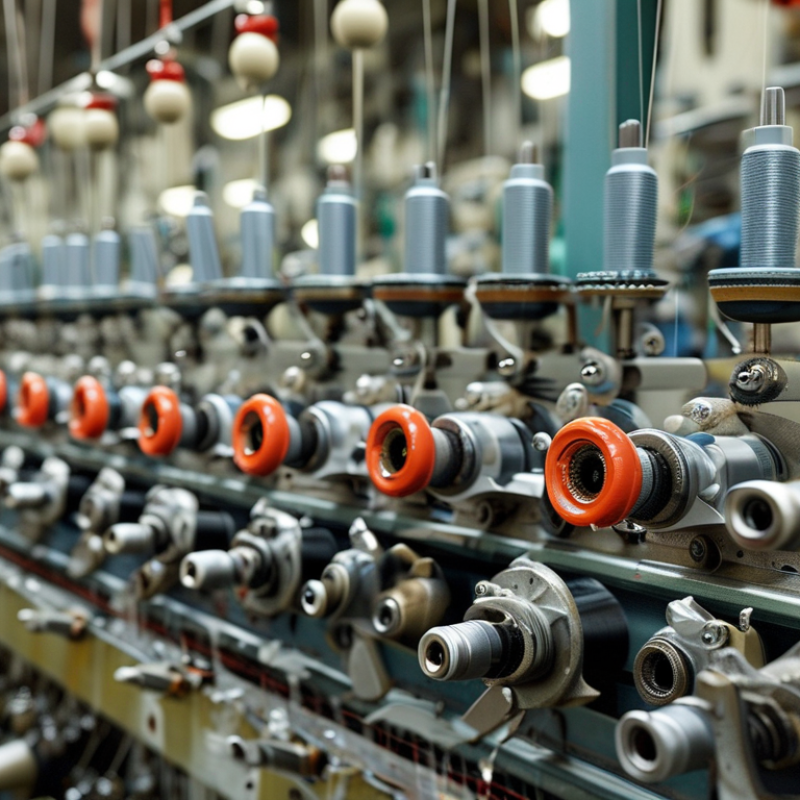
When sourcing textile machinery, understanding essential components is crucial for efficiency. Key parts significantly influence productivity and durability. The textile industry reports show that proper machine parts can increase output by 20%. This is vital for manufacturers looking to improve their profit margins.
Among the necessary components, spindles and looms stand out. These elements are foundational for spinning and weaving, respectively. High-quality spindles can reduce energy consumption by up to 30%, according to industry findings. Additionally, looms with advanced features allow for diverse fabric creation. This flexibility can address market demands effectively.
However, not all sourcing strategies are perfect. Challenges may arise in identifying reliable suppliers. Quality control remains a concern as parts sourced globally can have varying standards. Research shows that suppliers often fail to meet expected specifications. Regular audits can help mitigate these risks. Focusing on transparent relationships is key. Ensuring component quality can improve operational reliability and ultimately lead to better end products.
| Part Name | Functionality | Material | Typical Applications | Estimated Cost |
|---|---|---|---|---|
| Spindle | Rotates the yarn or fabric | Steel | Weaving machines | $150 - $300 |
| Needle | Holds and moves the yarn | Metal | Sewing machines | $50 - $100 |
| Belt | Transmits power between components | Rubber | Textile machinery | $25 - $50 |
| Gear | Provides controlled motion | Steel | Knitting machines | $70 - $120 |
| Motor | Drives the machinery | Aluminum | Various textile machines | $200 - $500 |
| Sensor | Detects position and speed | Plastic | Automation in textile machines | $30 - $70 |
| Frame | Holds the machine components | Steel | All textile machines | $150 - $350 |
| Controller | Controls machine operation | Plastic | Automatic textile machinery | $100 - $250 |
| Blower | Removes lint and dust | Metal | Cleaning textile machines | $80 - $150 |
When sourcing textile machine parts globally, several key factors come into play. Quality is paramount. Ensure that the parts meet international standards. This guarantees durability and performance. It's essential to check certifications. These documents demonstrate a manufacturer's commitment to quality. A reliable supplier should provide them upfront.
Cost is another critical aspect. While looking for the best deal, don’t compromise on quality. Low-priced parts can lead to higher long-term costs due to repairs or replacements. It is wise to conduct a thorough cost analysis. Consider logistics costs and shipping times. They can significantly impact your overall budget and timeline.
Communication is crucial in this process. Engage with suppliers openly about your needs. Misunderstandings can lead to unsuitable products. Clear specifications help avoid mistakes. Language barriers can complicate matters, so clarity is key. Regular follow-ups ensure that everyone is on the same page. Reflect on these factors for a smoother sourcing experience.
In the textile industry, choosing the right materials is crucial for machinery longevity. Durable materials enhance efficiency and reduce maintenance costs. For the key components of textile machines, there are several robust materials to consider.
Steel is one of the most common materials used in textile machinery. Its strength and durability make it ideal for gears and frames. However, not all steel is the same. Different grades offer varying resistance to wear and corrosion. For instance, stainless steel is often preferred for parts exposed to moisture.
Another significant material is composite plastics. They are lightweight and resistant to chemicals. This makes them suitable for various textile applications. Yet, some composites may not withstand high temperatures as effectively as metals. Understanding these limitations is essential when selecting the right parts. Additionally, rubber is used for seals and belts. It provides flexibility and shock absorption, but its lifespan can be shorter than desired if exposed to harsh chemicals.
Choosing the right materials for textile machinery components requires careful consideration. Each material has its own strengths and weaknesses. Knowing these details helps in making informed decisions. Remember, the key is balancing durability with functionality.
This chart displays the durability ratings of the top ten textile machine parts necessary for global sourcing. Each part is rated on a scale of 1 to 10, indicating their relative durability and importance in textile machinery.
When sourcing textile machine parts globally, it's vital to know where to find quality suppliers. The textile industry relies heavily on precision components. According to a report by Technavio, the global textile machinery market is expected to grow by over 24 billion USD by 2026. This growth highlights the increasing demand for high-quality machine parts.
Quality assurance is crucial. Many suppliers focus on quality control measures to uphold standards. For example, 70% of manufacturers now utilize ISO certification to ensure reliability. This gives buyers leverage when assessing international suppliers. Finding trustworthy suppliers in markets like China or India can be challenging. You must consider the nuances of local practices and regulations.
Sourcing may also require flexibility. Some regions excel in certain components, such as weaving parts or dyeing machinery. However, regional limitations could affect price and availability. Engaging with multiple suppliers may help mitigate risks, but it can also complicate logistics. Keeping an eye on industry reports can aid in making informed decisions. Regularly updated industry analyses can provide insights into shifting supplier landscapes. Make sure to adapt your sourcing strategies accordingly.
Maintaining textile machine parts is crucial for optimal performance. Regular maintenance can extend the lifespan of these components significantly. According to industry reports, proper upkeep can result in a 30% reduction in replacement costs. Simple tasks, like cleaning and lubrication, often go overlooked but are essential.
Each textile machine part has specific needs. For example, bearings and gears require routine checks for wear and tear. Ignoring these can lead to failure, resulting in costly downtime. Regularly inspect the alignment of components. Misalignment can cause excessive wear, leading to premature failure.
Investing in quality parts often pays off in the long run. However, even the best parts need care. Data shows that up to 40% of machinery failures are due to improper maintenance. Cultivating an awareness of maintenance protocols can lead to more efficient operations. Operators should document any irregular sounds or vibrations. These could indicate potential issues, prompting preemptive action. Ensuring all staff is trained in maintenance routines is vital, yet often neglected.
„Thanks to the LUVIR technology, the solder resist process could be switched directly from the previously used mask exposure to direct exposure. As an outstanding digital solution on the market, this technology has been able to demonstrate fast process times and superior quality on our certified conventional ink in production. This allowed us to fully digitize the solder mask process at low cost – without process or ink adjustments. An excellent benefit to our production in Rot am See.“
Ralf Göhringer (Head of Production WE Rot am See)
I would definitely recommend the Limata machine and team for a future company purchase
Michael Greenaway
Compunetics Inc.
“The Limata ldi has been amazing!! Best thing we did was buy this machine”
Richard Brady
GM
Circuitlabs
“Since 2019, we have been running the Limata X1000 LDI system (including LUVIR for solder mask imaging) in daily production as an addition to our current process with film. The machine was capable of properly exposing Taiyo PSR-4000 BN (DI) solder mask types on normal to high-copper boards using a new and unique direct imaging process. The machine operating interface is very user friendly which allowed for a quick technical training curve. The pre-registration processing reduced several seconds of production time at every print. Limata support and service staff is incomparable. They supported our team every step of the way at basically any time of the day or night, with literally, an immediate response time, customizing the software interface to best fit our Operations and needs.
We have exposed more than 8,000 prints since end of October, on various solder mask colors and some resist film panels. Limata, has proven to be very capable and innovative. They are a strong contender in the industry.
We have very much enjoyed this project, and working with the team!
Thank you Limata for the continued support and being a part of our growth.”
Bill Sezate
Vice President, GM
Summit Interconnect
As a replacement to our current contact exposure process with film, the LIMATA X2000 system including LUVIR-Technology was capable of properly exposing non-LDI solder mask types using a direct imaging process. The machine offers cutting edge software with a very intuitive operating interface which allowed for quick technician training curve. The dual drawer system combined with pre-registration processing reduced several seconds of production time at every machine cycle. Limata support and service staff is world class. They added software patches to keep production running at shortest possible response times, customized the software interface to best fit our in-house Operations system, and even wrote a step-by-step machine processing manual. As a result of the project, we have exposed more than 16,000 times on various product types and solder mask brands/colors. Limata, in a very short timeframe as a company, has definitely shown they are truly innovative and will be challenging the industry of direct imaging for the top spot.
Kevin Beattie
Process Engineer
TTM Technologies
Forest Grove Division
