Choosing the right Iron Pipe Bending Machine is crucial for your projects. A quality machine can enhance efficiency and precision in pipe bending. However, many factors influence this decision. It's not just about price. The right features and reliability matter significantly.
Understanding your specific needs is essential. Consider the types of pipes you will bend and the production volume. Many machines cater to different materials and sizes. Researching brands and models can help identify the best options. Expert reviews and user experiences are valuable resources. They offer insights into performance and durability.
Selecting an Iron Pipe Bending Machine can be overwhelming. Mistakes often happen. Lack of proper research may lead to choosing the wrong machine. This could result in increased costs and downtime. Therefore, investing time in understanding available options is vital. The right choice can dramatically impact your workflow and product quality.
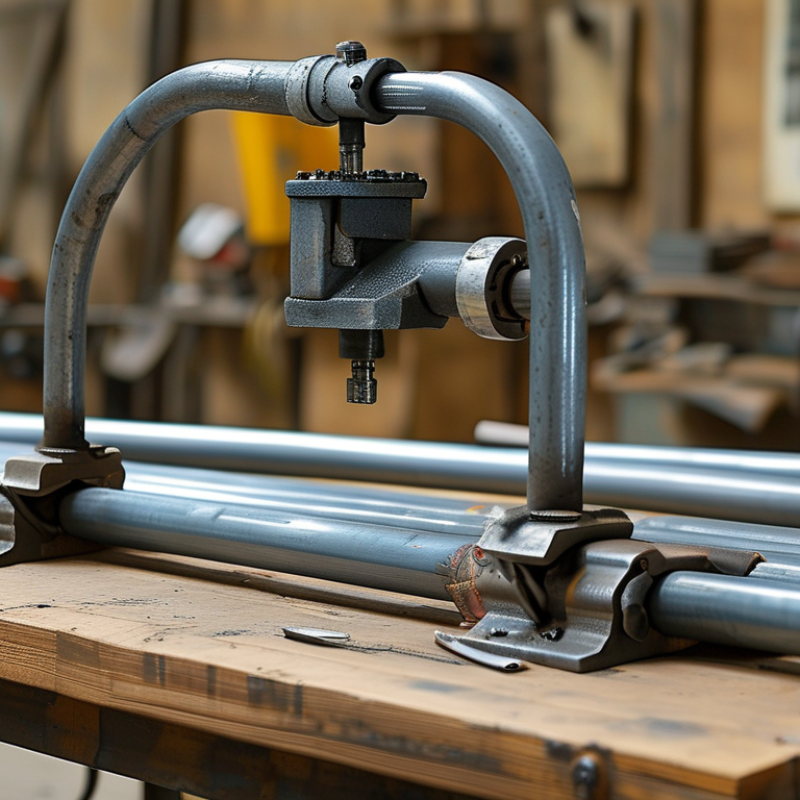
Iron pipe bending machines are essential in various industries, especially for those working with metal frameworks. Understanding their basics can help you make informed choices. These machines can bend pipes at different angles. The process often involves hydraulic pressure or mechanical force. Familiarity with these mechanisms is key.
When choosing a machine, consider the types of materials it can handle. Some machines are versatile, while others are specialized. You may find that simpler machines suffice for smaller projects. However, complex designs may require advanced capabilities. The learning curve can sometimes be steep, so consider whether you will adapt quickly.
Maintenance and operational costs are also important factors. Regular upkeep can prevent costly downtime. Pay attention to the machine's specifications and durability. Understanding these features can enhance your decision-making process. Ultimately, investing time in research will yield better results in the long run. Whether you are a novice or seasoned professional, taking these factors into account is crucial for maximizing efficiency.
| Tip Number | Tip Description | Key Features to Look For | Average Price Range |
|---|---|---|---|
| 1 | Assess Your Needs | Capacity, Bend Radius, Material Type | $1,000 - $5,000 |
| 2 | Research Machine Types | Manual, Hydraulic, Electric | $1,500 - $10,000 |
| 3 | Look for Durability | Material quality, Build stability | $2,000 - $15,000 |
| 4 | Check for Warranty and Support | Warranty period, Customer service | N/A |
| 5 | Read Reviews and Feedback | User reviews, Expert recommendations | N/A |
When selecting an iron pipe bending machine, key features directly impact productivity and quality. Precision is paramount. Machines offering advanced CNC controls increase accuracy in bends, reducing material waste. A recent industry report found that precision machines can enhance efficiency by up to 30%. Steel and iron pipes must often withstand significant stress, so the machine should also possess adequate strength and durability.
User interfaces play a crucial role. Machines equipped with intuitive software require less training time. This can lead to quicker production ramp-ups. Ergonomics shouldn't be overlooked either. An awkwardly designed machine can lead to operator fatigue, impacting productivity. Many operators have reported discomfort, which sometimes results in errors and downtime.
Maintenance accessibility is another vital aspect. Machines requiring complicated servicing schedules can lead to excessive delays. Industry professionals suggest looking for models that offer easy part replacement and routine checks. According to recent surveys, up to 20% of machine downtime is linked to maintenance issues. Balancing features, reliability, and ease of use can lead to better long-term investments in pipe bending.
When selecting an iron pipe bending machine, evaluating its durability and build quality is crucial. A well-constructed machine ensures long-term performance. Machines made from high-quality materials, such as heavy-duty steel, offer better resistance to wear. Pay attention to the thickness of the frame and components. A solid frame reduces vibrations, leading to more precise bends.
Consider the machine's design features. Look for reinforced joints and robust welds, as these enhance overall strength. It's advisable to examine the manufacturer's specifications and user reviews. Feedback from other users can provide insights into reliability over time. Opt for machines that undergo rigorous quality checks during production.
Don’t overlook maintenance recommendations. Machines requiring minimal upkeep tend to offer better longevity. Regular maintenance contributes to operational efficiency. Proper care reduces the likelihood of unexpected downtime. Ultimately, investing time in assessing durability can save costs in repairs or replacements. Choosing the right machine means prioritizing reliability over flashy features.
When selecting an iron pipe bending machine, assessing its ease of use is crucial. A user-friendly interface simplifies the operation. Look for machines with clear controls and displays. Operators should feel comfortable navigating the functions. Machines with intuitive design allow for quicker learning. Ease of use can significantly reduce training time.
Operational efficiency is another key factor to consider. A machine that bends pipes smoothly will enhance production speed. Watch for features like automatic settings that adjust for various pipe sizes. Efficient machines minimize waste and maximize output. However, some machines may compromise on precision for speed. It's important to find the right balance between these aspects for optimal results.
Not all machines will fit every budget or need. Take the time to evaluate how they perform in real-world scenarios. Seek feedback from current users. Their experiences can guide you toward the best choice. Pay attention to potential limitations or drawbacks of specific models. Each machine has its unique strengths and weaknesses. Understanding these nuances will help ensure a more reliable selection.
When considering an iron pipe bending machine, striking the right balance between price and performance is crucial. Many machines come with attractive price tags, but that doesn't always indicate excellent quality. An affordable option may lack durability or precision, leading to potential inefficiencies in your workflow. It's essential to assess what you truly need from a bending machine.
Evaluate the features that matter most to your projects. Does the machine offer various degrees of bending? Can it handle the materials you use? Many cheaper models may fall short on these specifications. Pay careful attention to the specifications provided by manufacturers. Performance can differ based on how the machine is designed, and sometimes, higher performance means a higher initial investment.
Consider the long-term implications of your purchase. A low-priced machine might require frequent repairs or replacement parts, which can quickly add up. Investing in a reliable machine can promote efficiency and reduce downtime. Reflect on your production needs and budget over time. It's about making a choice that aligns with your operational demands while ensuring reliability.
„Thanks to the LUVIR technology, the solder resist process could be switched directly from the previously used mask exposure to direct exposure. As an outstanding digital solution on the market, this technology has been able to demonstrate fast process times and superior quality on our certified conventional ink in production. This allowed us to fully digitize the solder mask process at low cost – without process or ink adjustments. An excellent benefit to our production in Rot am See.“
Ralf Göhringer (Head of Production WE Rot am See)
I would definitely recommend the Limata machine and team for a future company purchase
Michael Greenaway
Compunetics Inc.
“The Limata ldi has been amazing!! Best thing we did was buy this machine”
Richard Brady
GM
Circuitlabs
“Since 2019, we have been running the Limata X1000 LDI system (including LUVIR for solder mask imaging) in daily production as an addition to our current process with film. The machine was capable of properly exposing Taiyo PSR-4000 BN (DI) solder mask types on normal to high-copper boards using a new and unique direct imaging process. The machine operating interface is very user friendly which allowed for a quick technical training curve. The pre-registration processing reduced several seconds of production time at every print. Limata support and service staff is incomparable. They supported our team every step of the way at basically any time of the day or night, with literally, an immediate response time, customizing the software interface to best fit our Operations and needs.
We have exposed more than 8,000 prints since end of October, on various solder mask colors and some resist film panels. Limata, has proven to be very capable and innovative. They are a strong contender in the industry.
We have very much enjoyed this project, and working with the team!
Thank you Limata for the continued support and being a part of our growth.”
Bill Sezate
Vice President, GM
Summit Interconnect
As a replacement to our current contact exposure process with film, the LIMATA X2000 system including LUVIR-Technology was capable of properly exposing non-LDI solder mask types using a direct imaging process. The machine offers cutting edge software with a very intuitive operating interface which allowed for quick technician training curve. The dual drawer system combined with pre-registration processing reduced several seconds of production time at every machine cycle. Limata support and service staff is world class. They added software patches to keep production running at shortest possible response times, customized the software interface to best fit our in-house Operations system, and even wrote a step-by-step machine processing manual. As a result of the project, we have exposed more than 16,000 times on various product types and solder mask brands/colors. Limata, in a very short timeframe as a company, has definitely shown they are truly innovative and will be challenging the industry of direct imaging for the top spot.
Kevin Beattie
Process Engineer
TTM Technologies
Forest Grove Division
