Choosing the right mechanical parts suppliers can be challenging. It's crucial to find a reliable partner for your business needs. A good supplier can significantly improve your production efficiency. However, not all suppliers meet the same standards.
Many factors affect your choice. You might consider price, quality, and delivery times. But sometimes, these factors can be misleading. A cheap supplier might not offer the best quality. On the other hand, a premium supplier may not meet your specific requirements.
Pay attention to customer service as well. Communication is key in any supplier relationship. If a supplier fails to respond timely, it may indicate future problems. Reflect on your experiences with past suppliers. Learning from those could guide you to make better choices now. In the end, the best mechanical parts suppliers are those who align closely with your production goals.
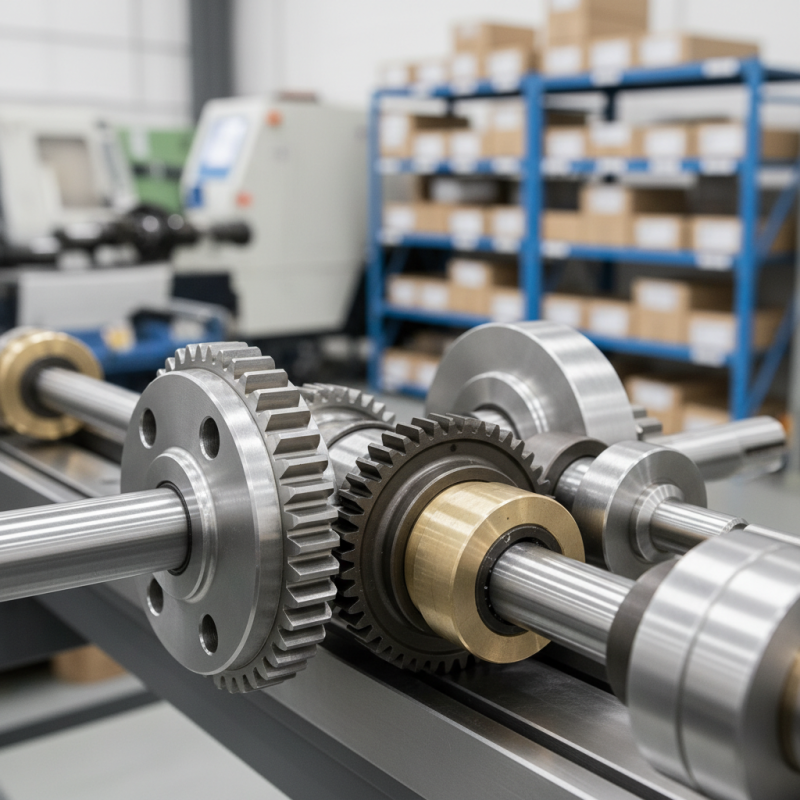
When selecting mechanical parts suppliers, several key factors come into play. Quality assurance is crucial. Data from industry reports indicate that 70% of production failures stem from poor-quality components. Suppliers who provide certifications and allow you to inspect their facilities can help ensure reliability. Understanding their quality control processes is essential. Ask for samples and test them vigorously.
Another important factor is delivery time. In today's fast-paced market, delays can be costly. Reports show that over 60% of companies reported financial losses due to late deliveries. Evaluate a supplier’s track record for on-time shipments.
Communication is also vital. Experience suggests that suppliers who maintain open lines of dialogue are more reliable and responsive to customer needs.
Price can be misleading; a lower cost might indicate inferior materials. It’s essential to consider total cost of ownership. In manufacturing, using low-quality parts can lead to higher maintenance costs. Reflect on the long-term implications of your choices.
Gathering references and reading reviews can shed light on a supplier’s reputation. Take time to assess all these factors to avoid potential pitfalls in your production process.
When selecting mechanical parts suppliers, reliability and reputation are paramount. Industry data indicates that 75% of supply chain disruptions stem from poor supplier performance. Investing time in evaluating these factors can save companies significant costs and time.
One key tip is to assess a supplier's track record. Look for reviews and testimonials. Reliable suppliers often showcase past success stories. However, be cautious. Not all feedback may reflect the truth. It's essential to filter through both positive and negative experiences.
Another aspect is communication. A responsive supplier can prevent misunderstandings. Reports show that 68% of organizations suffer due to communication breakdowns with suppliers. Ensure they have clear channels for inquiries and updates. Check their response times and willingness to address concerns.
Finally, certifications matter. Suppliers with industry-specific certifications can often deliver higher quality. Yet, don’t assume that certifications guarantee excellence. Regular audits and performance assessments are necessary to maintain standards.
When selecting mechanical parts suppliers, understanding pricing structures is crucial. Prices can vary significantly based on materials, manufacturing techniques, and even supplier reputation. It’s vital to ask for detailed quotes. Look for breakdowns that clarify costs for raw materials, labor, and shipping. This transparency helps in comparing suppliers effectively.
Consider the payment terms as well. Some suppliers might offer discounts for bulk purchases or early payments. Others may impose fees for late payments. Be aware of these terms upfront. Additionally, assess the minimum order quantities. They can impact your overall costs. If a supplier requires larger orders than you need, it might not be a fit.
Don’t ignore additional costs like shipping and handling. Sometimes, what seems like a good deal might not be once these costs are added. A hidden charge can throw off your entire budget. It’s worth discussing all aspects of pricing early in the conversation. This will help avoid misunderstandings later. Communicating openly about expectations can reveal potential issues and pave the way for a smoother partnership.
When selecting mechanical parts suppliers, assessing their quality standards and certifications is crucial. According to a recent industry report by the International Organization for Standardization (ISO), about 70% of all quality issues stem from supplier deficiencies. Understanding these standards ensures that parts meet specific performance and safety requirements. Look for suppliers who are ISO 9001 certified, indicating a commitment to quality management.
Certification is not just a formality; it impacts your operations directly. A study by the National Institute of Standards and Technology revealed that companies with certified suppliers reported a 15% reduction in manufacturing defects. However, not all certifications are created equal. Some may focus on product quality while overlooking service quality. This lack of balance can lead to delays and extra costs.
Moreover, it's essential to review certificates regularly. Certifications can expire or evolve, potentially affecting supplier quality. Relying on outdated certifications might compromise your production. Be proactive. Regularly verify the supplier’s compliance with relevant standards. The goal is to build a robust supply chain that supports your production needs reliably. Quality assurance begins at the source; make informed choices and foster ongoing supplier evaluations.
Effective communication is crucial when establishing relationships with mechanical parts suppliers. A recent industry report revealed that 70% of supplier-related issues stem from poor communication. Clear dialogue can prevent misunderstandings and optimize order accuracy. For example, if specifications for a component are unclear, this may lead to delays and increased costs.
Customer support also plays a significant role. Suppliers who prioritize customer service tend to build stronger partnerships. According to a survey, 65% of companies prefer suppliers that provide prompt support responses. Reliable support ensures that any problems can be resolved swiftly. These interactions foster trust and loyalty, creating a better overall experience for both parties.
There are areas for improvement, though. Not all suppliers offer the same level of transparency. Some may delay updates on order status, leading to frustration. Potential buyers should assess a supplier's communication methods before engagement. Real-time updates and quick responses can significantly enhance the collaborative process. Analyzing these aspects helps in choosing the right supplier.
„Thanks to the LUVIR technology, the solder resist process could be switched directly from the previously used mask exposure to direct exposure. As an outstanding digital solution on the market, this technology has been able to demonstrate fast process times and superior quality on our certified conventional ink in production. This allowed us to fully digitize the solder mask process at low cost – without process or ink adjustments. An excellent benefit to our production in Rot am See.“
Ralf Göhringer (Head of Production WE Rot am See)
I would definitely recommend the Limata machine and team for a future company purchase
Michael Greenaway
Compunetics Inc.
“The Limata ldi has been amazing!! Best thing we did was buy this machine”
Richard Brady
GM
Circuitlabs
“Since 2019, we have been running the Limata X1000 LDI system (including LUVIR for solder mask imaging) in daily production as an addition to our current process with film. The machine was capable of properly exposing Taiyo PSR-4000 BN (DI) solder mask types on normal to high-copper boards using a new and unique direct imaging process. The machine operating interface is very user friendly which allowed for a quick technical training curve. The pre-registration processing reduced several seconds of production time at every print. Limata support and service staff is incomparable. They supported our team every step of the way at basically any time of the day or night, with literally, an immediate response time, customizing the software interface to best fit our Operations and needs.
We have exposed more than 8,000 prints since end of October, on various solder mask colors and some resist film panels. Limata, has proven to be very capable and innovative. They are a strong contender in the industry.
We have very much enjoyed this project, and working with the team!
Thank you Limata for the continued support and being a part of our growth.”
Bill Sezate
Vice President, GM
Summit Interconnect
As a replacement to our current contact exposure process with film, the LIMATA X2000 system including LUVIR-Technology was capable of properly exposing non-LDI solder mask types using a direct imaging process. The machine offers cutting edge software with a very intuitive operating interface which allowed for quick technician training curve. The dual drawer system combined with pre-registration processing reduced several seconds of production time at every machine cycle. Limata support and service staff is world class. They added software patches to keep production running at shortest possible response times, customized the software interface to best fit our in-house Operations system, and even wrote a step-by-step machine processing manual. As a result of the project, we have exposed more than 16,000 times on various product types and solder mask brands/colors. Limata, in a very short timeframe as a company, has definitely shown they are truly innovative and will be challenging the industry of direct imaging for the top spot.
Kevin Beattie
Process Engineer
TTM Technologies
Forest Grove Division
