Choosing the right Expansion Joint for your project can be challenging. It requires a blend of knowledge and experience. Expansion Joints are critical in managing movements in structures. They allow for thermal expansion and contraction. This prevents damage and ensures longevity.
Not all Expansion Joints are created equal. Different materials and designs cater to specific needs. It's essential to consider factors such as the environment and load conditions. Consult with experts in this field. Their insights can provide clarity in your decision-making process.
Mistakes in selecting an Expansion Joint can lead to significant issues. Poor choices may result in leaks or structural failures. Take time to research and reflect on your needs. Prioritize quality and alignment with your project's requirements. By following reliable guidelines, you can make a confident choice.
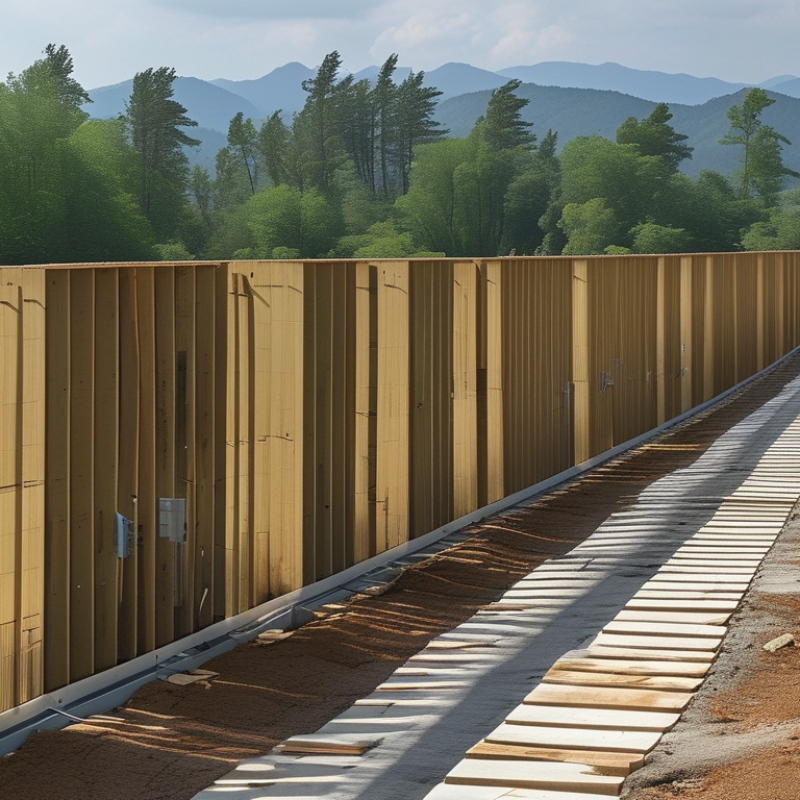
Expansion joints are vital in construction. They allow for movement due to temperature changes, settling, and other factors. Without them, structures may crack and weaken over time. These joints absorb stress and help maintain the integrity of buildings and pavements.
When selecting the right expansion joint, consider the materials used. Different materials respond differently to temperature fluctuations. Rubber and metal, for example, have their unique benefits and drawbacks.
Assess the environment where the joint will be placed. Do you expect heavy traffic or extreme weather? Inadequate consideration may lead to costly repairs later.
Another aspect to evaluate is the joint's design. Some joints can accommodate larger movements than others. A miscalculation here could cause issues down the line. Gaps may also occur if the installation is done incorrectly. This highlights the importance of having trained professionals on your project. Their expertise can guide you to make informed choices.
When selecting an expansion joint, it's essential to understand the various types available and their specific applications. There are several categories of expansion joints, including rubber, metal, and fabric joints. According to a recent industry report, the demand for rubber expansion joints is projected to grow at a rate of 5.2% annually due to their flexibility and ease of installation. They are often used in HVAC systems and piping applications.
In contrast, metal expansion joints are preferred for high-temperature environments. They can handle extreme heat and pressure. However, they are more expensive and might require skilled installation. Data shows that metal joints account for about 30% of the overall market share in this sector. On the other hand, fabric expansion joints are flexible and lightweight, suitable for ducting in industrial applications. Their growing popularity is driven by the increasing emphasis on efficiency and cost-effectiveness.
It's crucial to consider the operational conditions and media types when making a choice. Some joints may not perform well under specific temperatures or pressures, leading to premature failure. Misjudging these factors can result in costly repairs and downtime. Collecting expert insights and case studies can provide valuable guidance, but always verify the information against current industry standards.
Choosing the right expansion joint involves careful evaluation of material compatibility. Expansion joints are essential for accommodating movement in structures. They reduce stress caused by thermal expansion or contraction. The correct material selection can significantly extend the lifespan of an expansion joint.
Industry reports indicate that nearly 30% of expansion joint failures are due to incorrect material choices. For example, rubber may work well in some environments but could degrade under chemicals. Similarly, metal joints might corrode in humid or saline conditions. Evaluating environmental factors is critical. Consider temperature fluctuations, exposure to chemicals, and potential for moisture.
Additionally, the compatibility of the joint materials with adjacent components must be assessed. Mismatched materials can lead to leaks or failures. A recent study found that 20% of joint failures are linked to inadequate compatibility analysis. This underscores the importance of thorough inspections and material assessments. Using widely accepted guidelines ensures that the right materials are chosen, promoting longevity and reliability.
When selecting the right expansion joint, understanding environmental factors is crucial. These joints endure various conditions, affecting their longevity and performance. According to a report by the International Institute of Structural Engineers, 78% of expansion joint failures correlate with environmental influences. Factors such as temperature fluctuations and moisture levels can severely impact the material choices in expansion joints.
Choosing the right expansion joint isn't just about the materials; it's about the environment too. For instance, in coastal areas, corrosion resistance is vital. Harsh weather conditions can weaken joints faster than expected. It’s essential to consider chemical exposure as well. A study by the Construction Materials Society indicates that nearly 65% of joints in industrial applications are at risk due to chemical reactions.
**Tip**: Always assess temperature ranges when selecting expansion joints. Materials perform differently in extreme heat or cold.
Regular maintenance checks are another aspect that should not be overlooked. Environmental conditions can change, impacting the joints over time. Remaining vigilant about potential shifts in the environment can save costly repairs later.
**Tip**: Reevaluate joint conditions annually, especially in variable climates. This proactive approach helps ensure reliability in structural integrity.
When selecting the right expansion joint, installation and maintenance requirements should be at the forefront of your decision-making process. Understanding how these joints will be installed can significantly impact their performance over time. Incorrect installation can lead to early wear and tear. Thus, always consult installation experts who have the experience to guide you.
One key tip is considering the joint's flexibility. Different applications demand different levels of movement capability. Some joints may need to handle more stress, which leads to tougher installation scenarios. Improper selection based on these factors can result in frequent maintenance, causing unexpected costs.
Another crucial point is the ease of maintenance. Certain materials are easier to maintain than others. For instance, rubber joints may require less frequent inspections compared to metallic options. However, if overlooked, rubber can degrade faster. Evaluate the long-term maintenance needs and predict any potential issues that could arise from improper upkeep. Always choose an expansion joint that aligns with both your installation capabilities and your maintenance readiness.
„Thanks to the LUVIR technology, the solder resist process could be switched directly from the previously used mask exposure to direct exposure. As an outstanding digital solution on the market, this technology has been able to demonstrate fast process times and superior quality on our certified conventional ink in production. This allowed us to fully digitize the solder mask process at low cost – without process or ink adjustments. An excellent benefit to our production in Rot am See.“
Ralf Göhringer (Head of Production WE Rot am See)
I would definitely recommend the Limata machine and team for a future company purchase
Michael Greenaway
Compunetics Inc.
“The Limata ldi has been amazing!! Best thing we did was buy this machine”
Richard Brady
GM
Circuitlabs
“Since 2019, we have been running the Limata X1000 LDI system (including LUVIR for solder mask imaging) in daily production as an addition to our current process with film. The machine was capable of properly exposing Taiyo PSR-4000 BN (DI) solder mask types on normal to high-copper boards using a new and unique direct imaging process. The machine operating interface is very user friendly which allowed for a quick technical training curve. The pre-registration processing reduced several seconds of production time at every print. Limata support and service staff is incomparable. They supported our team every step of the way at basically any time of the day or night, with literally, an immediate response time, customizing the software interface to best fit our Operations and needs.
We have exposed more than 8,000 prints since end of October, on various solder mask colors and some resist film panels. Limata, has proven to be very capable and innovative. They are a strong contender in the industry.
We have very much enjoyed this project, and working with the team!
Thank you Limata for the continued support and being a part of our growth.”
Bill Sezate
Vice President, GM
Summit Interconnect
As a replacement to our current contact exposure process with film, the LIMATA X2000 system including LUVIR-Technology was capable of properly exposing non-LDI solder mask types using a direct imaging process. The machine offers cutting edge software with a very intuitive operating interface which allowed for quick technician training curve. The dual drawer system combined with pre-registration processing reduced several seconds of production time at every machine cycle. Limata support and service staff is world class. They added software patches to keep production running at shortest possible response times, customized the software interface to best fit our in-house Operations system, and even wrote a step-by-step machine processing manual. As a result of the project, we have exposed more than 16,000 times on various product types and solder mask brands/colors. Limata, in a very short timeframe as a company, has definitely shown they are truly innovative and will be challenging the industry of direct imaging for the top spot.
Kevin Beattie
Process Engineer
TTM Technologies
Forest Grove Division
