Choosing the right Steel Grating can be a challenging task. Various projects have different requirements. Understanding these needs is crucial.
Steel Grating is known for its strength and durability. However, factors like load-bearing capacity and environmental conditions play a vital role in selection. Take the time to evaluate these aspects. For instance, certain grating types may not perform well in corrosive environments. This requires careful planning and consideration.
Research shows that many people overlook the importance of quality. This can lead to safety issues and increased costs. Making a well-informed decision about Steel Grating not only ensures safety but also enhances project efficiency. A thoughtful approach will lead to better outcomes. Always aim for a balance between cost and quality.
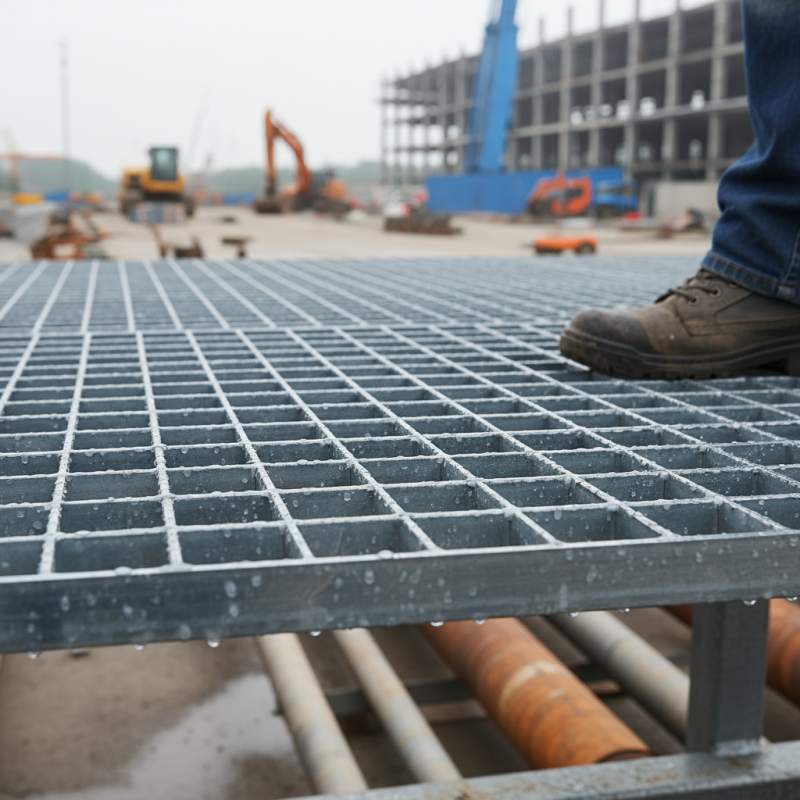
When selecting steel grating, it’s crucial to understand the various types available. Steel grating is commonly categorized into three main types: welded, riveted, and swaged. Each type offers unique benefits and limitations. Welded steel grating is highly durable, making it ideal for heavy loads. However, its rigidity can limit flexibility in design.
Riveted grating, on the other hand, allows for better airflow and light passage. This can be an advantage in specific projects where ventilation is essential. However, riveted options may not be as strong as their welded counterparts.
Swaged grating is another option. It combines strength with a lightweight design, suitable for applications where weight is a concern.
Consider the environment where the grating will be installed. Factors like exposure to chemicals or moisture can influence material choice. Some grates may corrode over time if not properly maintained. That’s a point worth reflecting on. Regular evaluations can help determine if the current grating meets safety and performance standards. Always keep project requirements in mind while navigating these choices. Simple details can significantly impact the overall success of your project.
When selecting steel grating for a project, one of the most critical aspects is evaluating the load-bearing requirements. According to industry reports, steel grating must support specific weight thresholds. For example, it must bear at least 5,000 lbs in industrial applications. Understanding these requirements ensures safety and durability.
Ensure you analyze the load distribution carefully. This will determine the type of steel grating needed. Heavy loads require grating with a deeper bearing bar. Some projects may necessitate custom solutions to meet unusual load specifications. Concrete flooring may influence the choice too. It’s essential to match grating type to the intended surface.
Tip: Consider the frequency of foot traffic. Gratings suited for high pedestrian areas need to be slip-resistant. Conversely, for heavy machinery, select grating with a higher load capacity. Not every grating option will meet all project demands. Reflect on your needs before purchasing. Missteps here can lead to costly rework. Always consult engineering guidelines. They provide vital insights into load requirements. Ensure you also check for certification standards to guarantee quality and reliability.
When selecting steel grating for your projects, understanding environmental conditions is crucial. Corrosion resistance plays a significant role in the longevity of your grating. Different environments can accelerate rust and deterioration. Coastal areas, for example, face higher corrosion risks due to salt in the air. Choosing the right material can mitigate these risks and extend the grating’s lifespan.
Additionally, consider the local weather patterns. High humidity or frequent rainfall can contribute to corrosion. If your project is in a wet area, investing in galvanized or stainless steel may be wise. While these materials can cost more initially, they often save money in the long run. However, it’s essential to analyze the specific conditions and choose accordingly.
It’s easy to overlook these factors when focusing on aesthetics or cost. Make sure to weigh the potential long-term impacts on your project. Inadequate corrosion resistance can lead to costly repairs and replacements. Ask experts for advice, but do your research. Understanding the environmental context empowers you to make better choices.
When selecting steel grating, installation and maintenance needs often shape choices. Consider the environment where the grating will be used. Corrosive or harsh conditions require grating with protective coatings or specific materials. Ensure the design allows for easy installation. Complicated setups can lead to delays and increased labor costs.
Maintenance is another essential factor. Steel grating may require regular inspections to prevent buildup of debris or contaminants. This is particularly important in industrial settings. If not properly maintained, grating can become slippery, posing safety risks. Look for designs that offer easy access for cleaning.
Weighing these needs can help in making informed decisions. Project timelines also affect grating choices. Delays in installation can cost money. Selecting grating that simplifies assembly can save time. Reflect on current practices and areas for improvement. Each project presents unique challenges, so flexibility in your approach can be vital.
When considering steel grating for projects, cost-effectiveness and lifespan are crucial factors. Steel grating offers durability and strength. According to industry reports, properly maintained steel can last 30 years or more. This longevity makes it a wise investment, especially for high-traffic areas.
Comparing various grating options, fiberglass and aluminum are often touted for their lightweight properties. However, they tend to have lower load-bearing capacities. Some studies indicate that steel grating can support loads exceeding 1,000 pounds per square foot, while alternatives may only manage a fraction of that. In projects where safety and structural integrity are priorities, steel clearly outperforms.
Maintenance is another aspect to consider. Steel grating can develop rust without proper treatment. Regular inspections can help mitigate this issue. In contrast, aluminum is resistant to corrosion but may require frequent replacement. Weighing these factors can guide you to a suitable choice for your project needs.
„Thanks to the LUVIR technology, the solder resist process could be switched directly from the previously used mask exposure to direct exposure. As an outstanding digital solution on the market, this technology has been able to demonstrate fast process times and superior quality on our certified conventional ink in production. This allowed us to fully digitize the solder mask process at low cost – without process or ink adjustments. An excellent benefit to our production in Rot am See.“
Ralf Göhringer (Head of Production WE Rot am See)
I would definitely recommend the Limata machine and team for a future company purchase
Michael Greenaway
Compunetics Inc.
“The Limata ldi has been amazing!! Best thing we did was buy this machine”
Richard Brady
GM
Circuitlabs
“Since 2019, we have been running the Limata X1000 LDI system (including LUVIR for solder mask imaging) in daily production as an addition to our current process with film. The machine was capable of properly exposing Taiyo PSR-4000 BN (DI) solder mask types on normal to high-copper boards using a new and unique direct imaging process. The machine operating interface is very user friendly which allowed for a quick technical training curve. The pre-registration processing reduced several seconds of production time at every print. Limata support and service staff is incomparable. They supported our team every step of the way at basically any time of the day or night, with literally, an immediate response time, customizing the software interface to best fit our Operations and needs.
We have exposed more than 8,000 prints since end of October, on various solder mask colors and some resist film panels. Limata, has proven to be very capable and innovative. They are a strong contender in the industry.
We have very much enjoyed this project, and working with the team!
Thank you Limata for the continued support and being a part of our growth.”
Bill Sezate
Vice President, GM
Summit Interconnect
As a replacement to our current contact exposure process with film, the LIMATA X2000 system including LUVIR-Technology was capable of properly exposing non-LDI solder mask types using a direct imaging process. The machine offers cutting edge software with a very intuitive operating interface which allowed for quick technician training curve. The dual drawer system combined with pre-registration processing reduced several seconds of production time at every machine cycle. Limata support and service staff is world class. They added software patches to keep production running at shortest possible response times, customized the software interface to best fit our in-house Operations system, and even wrote a step-by-step machine processing manual. As a result of the project, we have exposed more than 16,000 times on various product types and solder mask brands/colors. Limata, in a very short timeframe as a company, has definitely shown they are truly innovative and will be challenging the industry of direct imaging for the top spot.
Kevin Beattie
Process Engineer
TTM Technologies
Forest Grove Division
