In the world of global sourcing, Terminal Blocks Machining stands as a critical process in manufacturing. These components serve as vital junction points for electrical connections. Their precision and reliability directly impact the efficiency of various applications. Understanding the intricacies of Terminal Blocks Machining is essential for professionals in the field.
Machining these components involves a careful balance of technology and expertise. Precision engineering plays a key role in achieving high-quality results. Moreover, sourcing quality materials can be a challenge. Navigating supplier relationships can lead to either success or setbacks. Each choice affects the final product.
While many have found success in Terminal Blocks Machining, common pitfalls exist. For instance, overlooking quality control can lead to faulty products. Similarly, inadequate communication with suppliers may result in misunderstandings. Therefore, reflecting on these aspects is crucial for continuous improvement. Embracing both challenges and successes will ultimately strengthen the machining process.
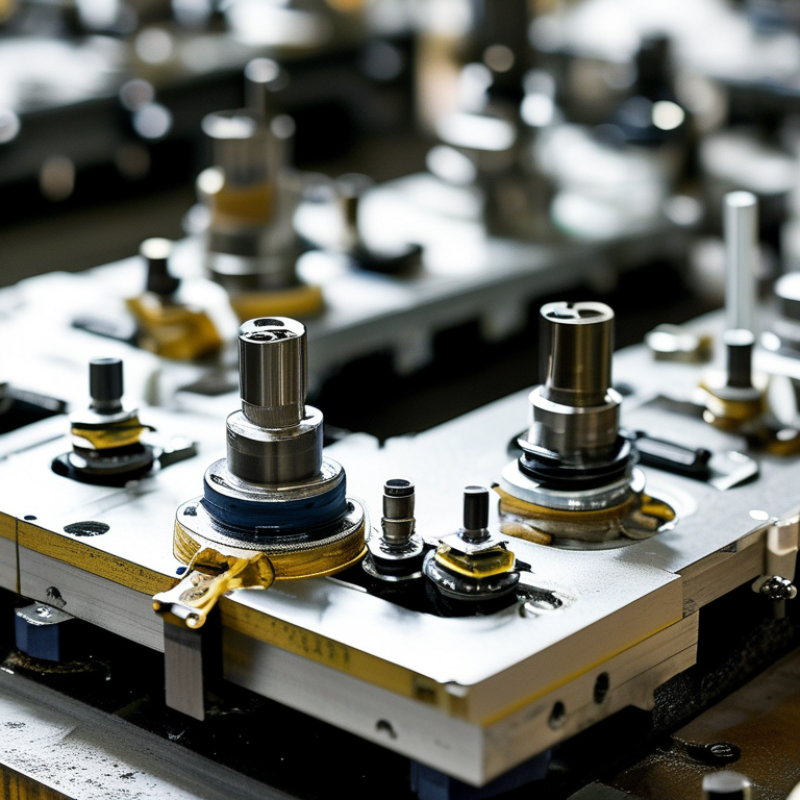
Terminal blocks are essential components used in various industries to facilitate electrical connections. They provide a secure way to connect wires, and their applications range from automotive to aerospace. According to a recent report, the global terminal blocks market is projected to grow at a CAGR of 6.3% from 2022 to 2027. This growth reflects the increasing demand for reliable electrical systems in industrial applications.
One tip for effective terminal block machining is to ensure precise specifications. It is crucial to adhere to industry standards to avoid compatibility issues. Accuracy in dimensions can greatly influence the reliability of electrical connections. Additionally, selecting the right materials is vital; for instance, using high-quality copper or aluminum can enhance conductivity and resistance to corrosion.
Another key aspect is considering the environmental factors that could affect terminal blocks. Industries operating in extreme conditions need to choose terminal blocks designed for those environments. Regular maintenance checks can help identify wear and tear in electrical systems, ensuring they function optimally over time. This proactive approach can save costs and improve system reliability. Understanding these nuances ensures better application across various sectors.
The machining process of terminal blocks is influenced by several key factors. Material selection is critical. Choosing the right materials ensures durability and functionality. For instance, plastic and metal composites are commonly used. Each material requires specific machining techniques and tools. Failure to optimize these selections can lead to inefficiencies.
Precision in machining is another crucial aspect. Variations in measurements can result in poor fit or malfunction. Utilizing advanced CNC machines can help increase accuracy. It's essential, however, to regularly maintain equipment to prevent deviations. Operator skill also plays a significant role. Trained staff can navigate intricate designs better than those without experience.
Additionally, the environment impacts machining efficiency. Dust and temperature fluctuations can affect machinery performance. Implementing a controlled environment can mitigate these issues. Moreover, suppliers often face pressure to reduce costs. Cutting corners can result in longer-term risks. Assessing supplier capabilities is vital for sustained quality.
Selecting the right materials is crucial for effective terminal blocks machining in global sourcing. Engineers often rely on data from industry reports which highlight that approximately 70% of machining failures are linked to material selection. Therefore, understanding the properties of various materials is essential. For instance, metals like copper and aluminum offer high conductivity, but they differ in cost and machinability.
When choosing materials, consider their thermal and electrical characteristics. Thermoplastics may be suitable for specific applications due to their lightweight and corrosion resistance. Yet, they can present challenges during machining, leading to higher scrap rates. A study showed that proper machining parameters can reduce waste by up to 30%.
Here are some quick tips:
In terminal block production, quality assurance is crucial. Poorly machined blocks can lead to electrical failures and safety hazards. Implementing solid practices can enhance product reliability.
Regular inspections in the machining phase often catch defects early. Visual checks help identify surface irregularities. These inspections should be systematic and document findings to track patterns over time. Furthermore, calibration of machinery is vital. Regular checks ensure all equipment operates within specified tolerances. Neglecting this can jeopardize the entire production process.
Training employees is equally important. Skilled operators are key to maintaining quality. They should understand the material properties and the machining techniques required. Continuous learning can help refine their skills. However, it's essential to acknowledge training gaps. Employees may not always recognize time-saving shortcuts that compromise quality. Addressing these issues openly fosters a culture of improvement within the team.
When sourcing terminal block components globally, clear strategies can make a significant difference. It’s essential to assess suppliers carefully. Look for those with a proven track record in quality and reliability. Local certifications and quality management systems can provide insight into their operational standards.
A crucial tip is to establish strong communication channels. Clarity helps prevent misunderstandings during the sourcing process. Regular updates from suppliers can maintain transparency. Additionally, it’s important to visit production facilities when possible. This adds a layer of trust and can reveal operational realities that paperwork cannot.
Consider diversifying your supplier base. Relying too heavily on one source can lead to risks, like supply chain disruptions. Explore multiple regions for potential suppliers. However, do weigh the benefits against the complexities that can arise with this approach. Balancing cost-effectiveness with quality often requires careful navigation and reflection on the part of the sourcing team.
This chart illustrates the importance levels of various factors when sourcing terminal block components globally. Each factor plays a crucial role in ensuring the efficiency and effectiveness of the sourcing strategy.
„Thanks to the LUVIR technology, the solder resist process could be switched directly from the previously used mask exposure to direct exposure. As an outstanding digital solution on the market, this technology has been able to demonstrate fast process times and superior quality on our certified conventional ink in production. This allowed us to fully digitize the solder mask process at low cost – without process or ink adjustments. An excellent benefit to our production in Rot am See.“
Ralf Göhringer (Head of Production WE Rot am See)
I would definitely recommend the Limata machine and team for a future company purchase
Michael Greenaway
Compunetics Inc.
“The Limata ldi has been amazing!! Best thing we did was buy this machine”
Richard Brady
GM
Circuitlabs
“Since 2019, we have been running the Limata X1000 LDI system (including LUVIR for solder mask imaging) in daily production as an addition to our current process with film. The machine was capable of properly exposing Taiyo PSR-4000 BN (DI) solder mask types on normal to high-copper boards using a new and unique direct imaging process. The machine operating interface is very user friendly which allowed for a quick technical training curve. The pre-registration processing reduced several seconds of production time at every print. Limata support and service staff is incomparable. They supported our team every step of the way at basically any time of the day or night, with literally, an immediate response time, customizing the software interface to best fit our Operations and needs.
We have exposed more than 8,000 prints since end of October, on various solder mask colors and some resist film panels. Limata, has proven to be very capable and innovative. They are a strong contender in the industry.
We have very much enjoyed this project, and working with the team!
Thank you Limata for the continued support and being a part of our growth.”
Bill Sezate
Vice President, GM
Summit Interconnect
As a replacement to our current contact exposure process with film, the LIMATA X2000 system including LUVIR-Technology was capable of properly exposing non-LDI solder mask types using a direct imaging process. The machine offers cutting edge software with a very intuitive operating interface which allowed for quick technician training curve. The dual drawer system combined with pre-registration processing reduced several seconds of production time at every machine cycle. Limata support and service staff is world class. They added software patches to keep production running at shortest possible response times, customized the software interface to best fit our in-house Operations system, and even wrote a step-by-step machine processing manual. As a result of the project, we have exposed more than 16,000 times on various product types and solder mask brands/colors. Limata, in a very short timeframe as a company, has definitely shown they are truly innovative and will be challenging the industry of direct imaging for the top spot.
Kevin Beattie
Process Engineer
TTM Technologies
Forest Grove Division
