In the competitive landscape of the steel market, sourcing high-quality Coated Steel Coil is essential for manufacturers and suppliers. Recent industry reports indicate that the global coated steel market is projected to reach USD 195 billion by 2026, growing at a CAGR of 8.8%. This growth highlights the increasing demand for durable and versatile steel products in construction, automotive, and appliances.
Quality is paramount when sourcing coated steel coils. According to a survey by the Steel Manufacturers Association, more than 40% of manufacturers cite material quality as a key concern. Poor quality can lead to product failures, excess waste, and increased costs. Therefore, it is crucial to prioritize sourcing from reputable suppliers who adhere to strict quality control standards.
However, navigating the supply chain can be complex. Many buyers struggle with balancing price and quality. Furthermore, sourcing from lesser-known suppliers poses risks, such as inconsistent product specifications. These challenges emphasize the need for thorough research and due diligence in the procurement process. By tackling these issues, companies can secure high-quality Coated Steel Coil that meets their operational needs and contributes to long-term success.
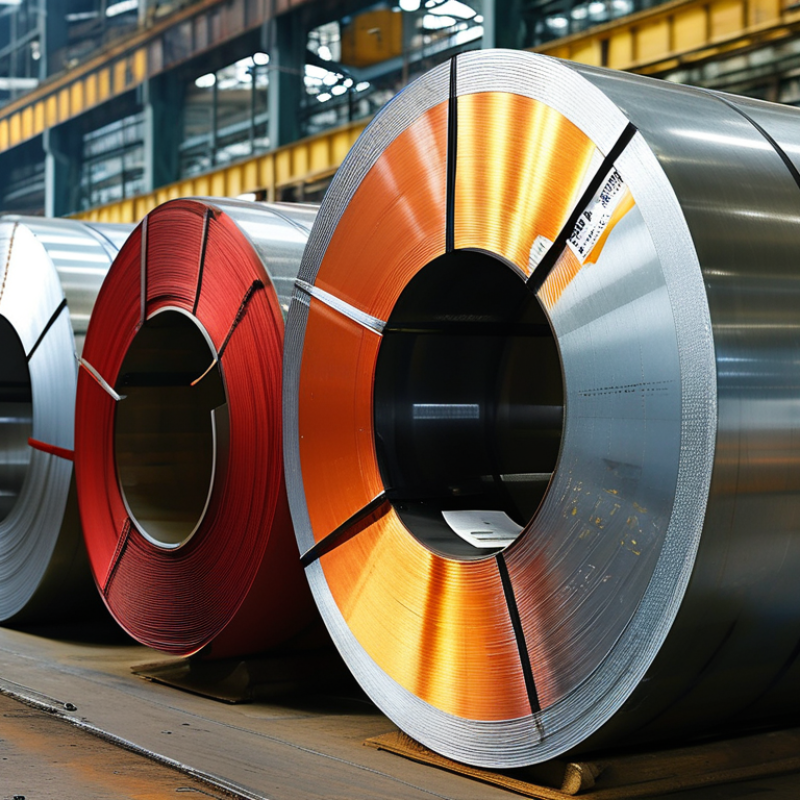
Coated steel coils are essential in various industries due to their durability and corrosion resistance. Understanding the types of coated steel is crucial for sourcing high-quality materials. Most commonly, you'll find galvanized, galvalume, and polymer-coated steel coils. Each type has unique properties suited for different applications. For example, galvanized steel coils offer excellent corrosion protection, making them ideal for outdoor uses.
Quality control is vital when sourcing coated steel. Ensure your supplier conducts rigorous testing, especially for adhesion and coating thickness. Recent industry reports indicate that over 70% of coating failures stem from improper application or subpar materials. Therefore, examining certifications can provide insight into a supplier's reliability.
When sourcing, prioritize the supplier's experience and expertise. A knowledgeable partner can guide you through the complexities of coated steel. Evaluate their production processes and quality assurance practices diligently. Remember that high-quality materials significantly affect the longevity and performance of your end products. Be prepared to ask tough questions regarding their sourcing and testing methodologies.
When sourcing high-quality coated steel coil, evaluating its key features is crucial. The coating type significantly impacts durability and performance. Common coatings include polyester, PVDF, and epoxy. Each has unique attributes that cater to different applications. For instance, PVDF provides superior UV resistance. It can withstand extreme weather conditions better than others.
The surface finish plays an essential role in the quality assessment. A smooth finish indicates high-quality manufacturing. Look for coils with an even, consistent texture. Uneven surfaces can suggest poor quality. Additionally, consider the thickness of the coating. Thicker coatings generally offer better protection against corrosion.
Another aspect to evaluate is adhesion. High-quality coated steel should have strong adhesion between the steel and coating. If the coating peels easily, it's a red flag. Testing adhesion can involve a simple scratch test. It's not always definitive, but it provides valuable insight. Review the manufacturer's specifications for coating thickness and adhesion standards. This information aids in making informed decisions. Remember, not all products meet the same quality standards.
When sourcing high-quality coated steel coils, choosing the right procurement channels is crucial. Research shows that 60% of buyers prefer established suppliers with proven track records. This trend emphasizes the need for a thorough vetting process. Online marketplaces can present an array of options, but they also carry risks. The quality assurance of products can be inconsistent. Buyers should always request material certifications and conduct regular quality checks.
Collaborating with industry experts can significantly enhance sourcing strategies. Engaging consultants who specialize in coated steel can provide valuable insights. Many industry reports indicate that 40% of procurement failures stem from a lack of technical knowledge among buyers. Networking at trade shows also offers an opportunity to discover new suppliers and innovations. Building relationships can help ensure access to high-quality materials.
When sourcing high-quality coated steel coils, it’s crucial to assess potential suppliers effectively. Look for manufacturers with a solid track record. ISO certifications can indicate a commitment to quality. According to the World Steel Association, companies with such certifications display fewer defects and better overall performance.
Another vital factor is production capacity. Suppliers should demonstrate they can meet your volume needs without delays. One report indicated that 72% of manufacturers face disruptions due to inadequate source capacities. This impacts supply chain efficiency significantly, so consider asking for references to validate claims.
Engaging in supplier audits can reveal essential insights. Visiting the manufacturing facility allows you to inspect processes firsthand. Ask questions that challenge their quality assurance procedures. A manufacturer’s willingness to share detailed quality metrics can be revealing. You want to ensure they use high-quality raw materials and maintain strict standards throughout production.
Remember to look for transparency in pricing. Hidden costs can strain your budget. Negotiate terms that ensure clarity in your agreement. Building a solid relationship with dependable suppliers can enhance long-term cooperation, leading to better outcomes for both parties. Quality assurance practices greatly impact the end product. Review past performance and reliability before making decisions.
When sourcing high-quality coated steel coils, cost considerations play a critical role. It's essential to establish a budget that reflects the quality you desire. Quality materials often come at a premium. Balancing costs and quality is an art. Sometimes, cheaper options may lead to higher long-term expenses. Poor quality can affect performance and lead to costly repairs.
Evaluating suppliers is essential as well. Not all sellers provide the same level of quality. Request samples to assess the material before committing. This process can save money and time. However, be aware that this can slow down your project timeline. A well-informed choice often means juggling various factors, including delivery times and price levels.
Do not overlook the importance of certifications. Verify that potential suppliers meet industry standards. However, certification alone does not guarantee quality. Review customer feedback and case studies when possible. Trustworthy suppliers should have a track record of reliability and performance. Reflecting on these diligence areas can ultimately lead to a better sourcing strategy.
„Thanks to the LUVIR technology, the solder resist process could be switched directly from the previously used mask exposure to direct exposure. As an outstanding digital solution on the market, this technology has been able to demonstrate fast process times and superior quality on our certified conventional ink in production. This allowed us to fully digitize the solder mask process at low cost – without process or ink adjustments. An excellent benefit to our production in Rot am See.“
Ralf Göhringer (Head of Production WE Rot am See)
I would definitely recommend the Limata machine and team for a future company purchase
Michael Greenaway
Compunetics Inc.
“The Limata ldi has been amazing!! Best thing we did was buy this machine”
Richard Brady
GM
Circuitlabs
“Since 2019, we have been running the Limata X1000 LDI system (including LUVIR for solder mask imaging) in daily production as an addition to our current process with film. The machine was capable of properly exposing Taiyo PSR-4000 BN (DI) solder mask types on normal to high-copper boards using a new and unique direct imaging process. The machine operating interface is very user friendly which allowed for a quick technical training curve. The pre-registration processing reduced several seconds of production time at every print. Limata support and service staff is incomparable. They supported our team every step of the way at basically any time of the day or night, with literally, an immediate response time, customizing the software interface to best fit our Operations and needs.
We have exposed more than 8,000 prints since end of October, on various solder mask colors and some resist film panels. Limata, has proven to be very capable and innovative. They are a strong contender in the industry.
We have very much enjoyed this project, and working with the team!
Thank you Limata for the continued support and being a part of our growth.”
Bill Sezate
Vice President, GM
Summit Interconnect
As a replacement to our current contact exposure process with film, the LIMATA X2000 system including LUVIR-Technology was capable of properly exposing non-LDI solder mask types using a direct imaging process. The machine offers cutting edge software with a very intuitive operating interface which allowed for quick technician training curve. The dual drawer system combined with pre-registration processing reduced several seconds of production time at every machine cycle. Limata support and service staff is world class. They added software patches to keep production running at shortest possible response times, customized the software interface to best fit our in-house Operations system, and even wrote a step-by-step machine processing manual. As a result of the project, we have exposed more than 16,000 times on various product types and solder mask brands/colors. Limata, in a very short timeframe as a company, has definitely shown they are truly innovative and will be challenging the industry of direct imaging for the top spot.
Kevin Beattie
Process Engineer
TTM Technologies
Forest Grove Division
