When it comes to sourcing Melamine MDF, having the right strategies in place can significantly enhance your project's success. Melamine MDF is popular for its durability and aesthetic appeal. Many industries use it for furniture, cabinetry, and decorative applications. However, sourcing this material can be challenging. Price fluctuations and quality variations are common issues.
To navigate these challenges, it's vital to adopt effective sourcing strategies. Understanding the market helps in making informed decisions. Collaborating with reputable suppliers ensures consistent quality. Always verify the suppliers’ credentials and product specifications. Quality control is paramount, as not all Melamine MDF is created equal.
While experience plays a crucial role, learning from past sourcing mistakes is equally essential. Reflecting on previous dealings can prevent repeating errors. Engaging with industry experts can provide insights into current trends and sourcing best practices. Ultimately, effective sourcing of Melamine MDF requires a balanced approach, combining expertise, reliability, and continuous improvement.
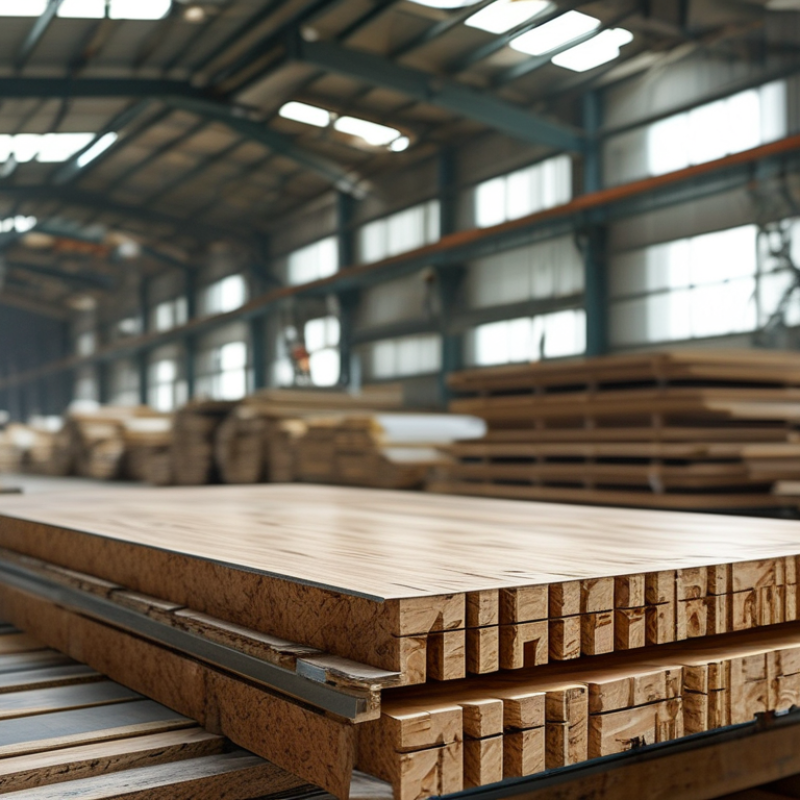
Melamine MDF is a versatile material widely used in furniture and cabinetry. Understanding its key features can significantly enhance your sourcing strategies. One notable aspect of melamine MDF is its durability. This material is resistant to scratches and moisture, which makes it ideal for various environments. Its finish provides a sleek appearance that appeals to many designers and consumers. However, melamine MDF can be heavy. This weight may complicate transportation and installation processes.
Another essential benefit of melamine MDF is its ease of maintenance. It does not require extensive upkeep. A simple wipe with a damp cloth typically suffices. Additionally, it comes in numerous colors and patterns, allowing for creativity in design. Despite its advantages, sourcing melamine MDF can come with challenges. It is crucial to ensure that the supplier adheres to quality standards. Inconsistent quality can lead to project delays and increased costs.
There is also the environmental impact to consider. Melamine MDF is usually made from wood particles bonded with adhesive. Choosing sustainably sourced materials can help reduce this footprint. Ensuring the adhesive is low in volatile organic compounds (VOCs) can lead to safer indoor air quality. Balancing quality, aesthetics, and sustainability is vital when sourcing this material.
The market for melamine MDF is evolving rapidly. Recent trends indicate a growing demand due to sustainable practices. Manufacturers are increasingly focusing on eco-friendly production methods. This shift is driven by consumer preferences for greener products. The availability of innovative finishes has also expanded options for designers and builders.
Cost fluctuations are noticeable in the melamine MDF market. Supply chain challenges can lead to unexpected price changes. It’s important to stay informed about market trends. Engaging with suppliers regularly helps mitigate risks. However, the variety of suppliers can lead to varying quality. This situation requires careful evaluation of potential partners.
Moreover, competition among manufacturers is intensifying. New players are entering the market, which may affect pricing strategies. Sourcing professionals must be vigilant about these dynamics. Building strong relationships with reliable suppliers is essential. Ultimately, a balanced approach to sourcing will lead to better outcomes in projects. Reflecting on previous sourcing experiences can guide improvements.
| Tip # | Tip Description | Importance Level | Estimated Cost Impact (%) |
|---|---|---|---|
| 1 | Research reliable suppliers | High | -5 |
| 2 | Evaluate product quality | High | +10 |
| 3 | Negotiate pricing terms | Medium | -3 |
| 4 | Understand market trends | Medium | 0 |
| 5 | Check for certifications | High | -2 |
| 6 | Consider shipping logistics | Medium | +4 |
| 7 | Leverage bulk purchasing | High | -7 |
| 8 | Build long-term relationships | Medium | -1 |
| 9 | Monitor supplier performance | High | +2 |
| 10 | Be aware of regulatory changes | Medium | +1 |
When sourcing melamine MDF, understanding cost factors is essential. The price often reflects the quality of the material. Higher costs may indicate better durability and aesthetic appeal, while lower prices might suggest compromises. It's crucial to analyze what you need versus what you're willing to spend.
Quality can vary widely in the melamine MDF market. Cheaper options may have poorer surface finishes or a shorter lifespan. It's tempting to opt for lower prices, but this might lead to future costs due to replacements or repairs. Investing in quality upfront can save money in the long run.
Balancing cost and quality requires careful consideration. Research potential suppliers and examine their offerings. Look for reviews and ask for samples to assess firsthand. Sometimes, what appears cost-effective may come with hidden flaws or issues. Reflect on past purchasing decisions for insights, and ensure your choices meet your standards.
When sourcing melamine MDF, quality control is non-negotiable. Ensuring that the material meets high standards is crucial for durability and performance. Consider implementing a detailed inspection process at various stages of production. This might include checking the raw materials before they enter the manufacturing line. Simple tests can reveal inconsistencies that might affect the final product.
Establishing clear quality control standards is essential. Look for parameters like thickness tolerance and surface finish. These factors significantly influence the usability of melamine MDF. Working closely with suppliers is vital. Regular communication helps in addressing discrepancies and ensures ongoing compliance with quality metrics. Not every batch will meet your expectations; some might require re-evaluation or additional testing.
Documentation also plays a key role. Maintaining records of quality checks fosters accountability. It’s important to reflect on any failures in your quality assurance process. Each misstep provides valuable insights. Understanding what went wrong can lead to improvements in future sourcing strategies.
Sustainable sourcing practices for melamine MDF are essential in today’s woodworking industry. This material is widely used for its aesthetic qualities and durability. However, the environmental impact of its production cannot be overlooked. Sourcing melamine MDF responsibly involves considering the entire supply chain.
Collaborating with suppliers focusing on sustainable forestry is vital. Ensure that sourced wood meets certification standards. This promotes responsible logging and minimizes deforestation. Using reclaimed wood can be an option too. This practice reduces waste and supports a circular economy, although it may present challenges in quality control.
Additionally, focus on the production processes. Seek manufacturers who prioritize low-emission techniques. Emphasizing eco-friendly adhesives and finishes can reduce harmful emissions. Yet, balancing cost with sustainability is tricky. Prices may rise when choosing eco-friendly options. Finding the right balance demands ongoing dialogue and cooperation among all stakeholders involved.
„Thanks to the LUVIR technology, the solder resist process could be switched directly from the previously used mask exposure to direct exposure. As an outstanding digital solution on the market, this technology has been able to demonstrate fast process times and superior quality on our certified conventional ink in production. This allowed us to fully digitize the solder mask process at low cost – without process or ink adjustments. An excellent benefit to our production in Rot am See.“
Ralf Göhringer (Head of Production WE Rot am See)
I would definitely recommend the Limata machine and team for a future company purchase
Michael Greenaway
Compunetics Inc.
“The Limata ldi has been amazing!! Best thing we did was buy this machine”
Richard Brady
GM
Circuitlabs
“Since 2019, we have been running the Limata X1000 LDI system (including LUVIR for solder mask imaging) in daily production as an addition to our current process with film. The machine was capable of properly exposing Taiyo PSR-4000 BN (DI) solder mask types on normal to high-copper boards using a new and unique direct imaging process. The machine operating interface is very user friendly which allowed for a quick technical training curve. The pre-registration processing reduced several seconds of production time at every print. Limata support and service staff is incomparable. They supported our team every step of the way at basically any time of the day or night, with literally, an immediate response time, customizing the software interface to best fit our Operations and needs.
We have exposed more than 8,000 prints since end of October, on various solder mask colors and some resist film panels. Limata, has proven to be very capable and innovative. They are a strong contender in the industry.
We have very much enjoyed this project, and working with the team!
Thank you Limata for the continued support and being a part of our growth.”
Bill Sezate
Vice President, GM
Summit Interconnect
As a replacement to our current contact exposure process with film, the LIMATA X2000 system including LUVIR-Technology was capable of properly exposing non-LDI solder mask types using a direct imaging process. The machine offers cutting edge software with a very intuitive operating interface which allowed for quick technician training curve. The dual drawer system combined with pre-registration processing reduced several seconds of production time at every machine cycle. Limata support and service staff is world class. They added software patches to keep production running at shortest possible response times, customized the software interface to best fit our in-house Operations system, and even wrote a step-by-step machine processing manual. As a result of the project, we have exposed more than 16,000 times on various product types and solder mask brands/colors. Limata, in a very short timeframe as a company, has definitely shown they are truly innovative and will be challenging the industry of direct imaging for the top spot.
Kevin Beattie
Process Engineer
TTM Technologies
Forest Grove Division
