In an increasingly industrialized world, safety remains a top priority. Toxic Gas Detectors are essential for protecting workers and the environment. The demand for effective and reliable toxic gas detectors is projected to grow significantly by 2026. These devices are crucial for detecting harmful gases early, thus preventing accidents and health hazards.
Experts highlight the importance of selecting the right toxic gas detector for specific environments. Quality varies greatly among products. Some devices excel in detecting specific gases while others offer more versatility. While many brands claim to be the best, nuanced industry knowledge is necessary to choose wisely. This complexity can lead to uncertainty for buyers. It’s essential to understand various features, such as sensitivity and range.
As we explore the top ten toxic gas detectors for global buyers in 2026, we aim to provide a comprehensive analysis. Each product will be evaluated for effectiveness, reliability, and user feedback. However, it’s important to remember that no detector is perfect. Every brand may have its limitations and must be used within appropriate contexts. This nuanced approach will help buyers make informed decisions.
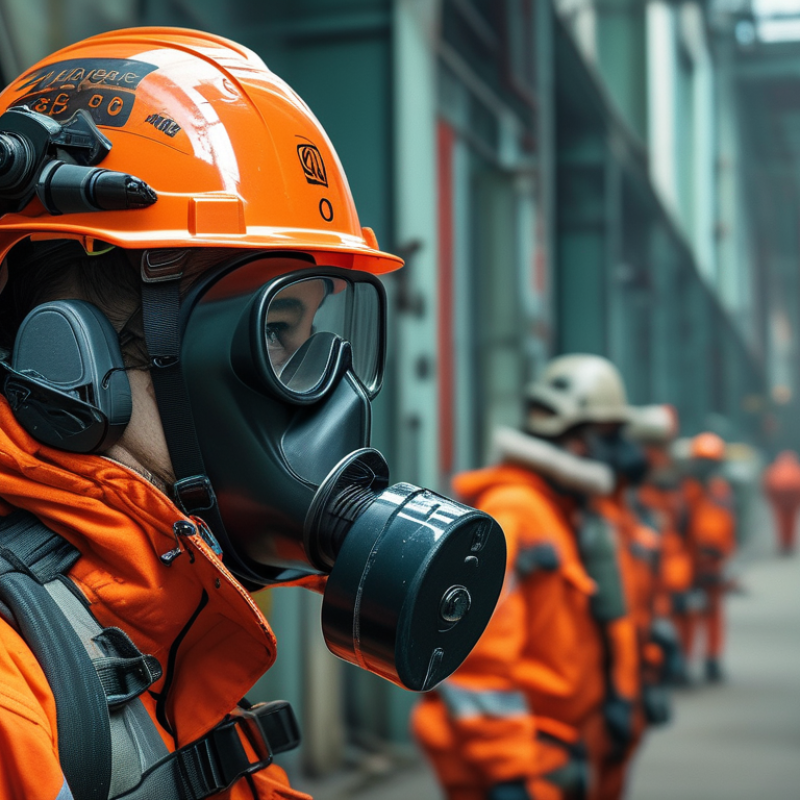
The toxic gas detection technology landscape is evolving rapidly. In 2026, reliability and precision will define the tools used. Advanced sensing materials are emerging, enhancing detection capabilities. Improved algorithms will process data faster, providing real-time alerts. This shift will empower users to respond quickly to hazardous situations.
Tips: Always test your detectors regularly. Calibration ensures accuracy. Familiarize yourself with the features of your device. Understanding limitations is crucial to effective use. Some sensors may have delays in response time. Be prepared for that.
Portable detectors are gaining popularity. They allow for flexibility in monitoring different environments. Battery life is crucial for these devices. Long-lasting power ensures continuous operation. Also, data logging features will help track exposure over time. Collecting this information supports safety assessments. Users should review this data regularly to identify trends.
Tips: Choose detectors with user-friendly interfaces. Complicated controls can lead to mistakes. Training for proper use is essential. An informed user is a safer user. Consider environmental factors that may affect sensor performance. For example, high humidity can impact readings. Awareness is key to effective toxic gas detection.
| Rank | Detector Type | Measurement Range | Response Time | Power Source | Weight |
|---|---|---|---|---|---|
| 1 | Portable Gas Detector | 0-1000 ppm | < 15 seconds | Rechargeable Battery | 200 g |
| 2 | Fixed Gas Detector | 0-5000 ppm | < 10 seconds | AC Power | 1.5 kg |
| 3 | Wireless Gas Sensor | 0-2000 ppm | < 12 seconds | Battery Operated | 150 g |
| 4 | Multigas Detector | 0-10000 ppm | < 20 seconds | Rechargeable Battery | 250 g |
| 5 | Infrared Gas Detector | 0-3000 ppm | < 8 seconds | AC Power | 1.2 kg |
| 6 | PID Detector | 0-500 ppm | < 5 seconds | Rechargeable Battery | 180 g |
| 7 | Electrochemical Detector | 0-1000 ppm | < 15 seconds | Battery Operated | 220 g |
| 8 | Laser Gas Detector | 0-200 ppm | < 10 seconds | AC Power | 3 kg |
| 9 | Toxic Gas Monitor | 0-500 ppm | < 30 seconds | Rechargeable Battery | 250 g |
| 10 | Chemical Gas Detector | 0-2000 ppm | < 12 seconds | AC Power | 1.8 kg |
When selecting a toxic gas detector, several key features stand out. Portability is essential for easy use in various environments. A lightweight and compact design ensures that the detector can be carried without hassle. Look for models with ergonomic shapes that provide comfort during long-term use. A rugged build is also important; detectors should withstand harsh conditions without compromising functionality.
Another critical feature is sensitivity. High sensitivity ensures that even trace amounts of toxic gases are detected promptly. This is crucial in industrial settings where safety is a priority. Consider detectors with real-time monitoring capabilities. Instant readings enable quick reactions to potential hazards. Visual and auditory alarms can alert users immediately, enhancing safety further.
Battery life often goes overlooked. A detector with a long-lasting battery can operate for days or weeks. This is particularly valuable in remote areas where recharging may not be feasible. Additionally, ease of calibration should be a feature you assess. Some models require less frequent calibration, which can save time and effort. Striking a balance between robustness and reliability is vital. Each feature adds a layer of assurance in protecting health and safety.
When evaluating toxic gas detectors, it’s essential to consider multiple aspects. Sensitivity to specific gases is crucial. Detectors vary in their ability to sense different toxic gases. Some models are efficient for carbon monoxide, while others excel in ammonia detection. Reliability is also a vital factor. A detector must function effectively under various environmental conditions. Users should research operating temperature ranges and humidity tolerances.
Battery life is another critical feature. Some devices offer long-lasting batteries, while others might require frequent replacements. Regular calibration is important for maintaining accuracy. Users often overlook this aspect, but it directly impacts performance. Additionally, it's worth considering user-friendly interfaces. Clear displays and simple controls can enhance user experience significantly.
The market offers numerous choices, each with unique strengths and weaknesses. Engaging with user reviews provides insight into real-world performance. Some products may perform well initially but fail in long-term reliability. Continuous feedback from actual users is invaluable. Overall, making an informed decision involves careful consideration of various features and user perspectives.
The toxic gas detection industry is evolving rapidly. According to recent market reports, the global toxic gas detection equipment market is projected to reach USD 5 billion by 2026. This growth reflects the rising awareness of hazardous gas risks across various sectors, including manufacturing and environmental monitoring. New technologies are enhancing detection accuracy and response times. As a result, leading brands are focusing on innovative solutions that meet industry standards.
In this competitive landscape, several key players are dominating the market. Research indicates that companies are emphasizing the integration of IoT capabilities in their devices. This allows for real-time monitoring and alert systems. The reliability of a detector can significantly impact safety protocols in industries that deal with toxic gases. Companies need to consider not only device performance but also ongoing support and calibration services.
Tips for choosing a toxic gas detector:
Finding the right toxic gas detector is crucial for safety. User reviews reveal valuable insights into the effectiveness and reliability of various detectors. Many users appreciate detectors that provide quick response times and clear visual alerts. Comfort in usability is often mentioned; intuitive interfaces significantly enhance the user experience.
Tips: Consider detectors with multi-gas capabilities. These models can save time and cost while providing comprehensive safety. Additionally, look for options that feature mobile alerts. Users find these particularly helpful for monitoring their safety remotely.
Some models received mixed reviews regarding battery life. Users reported varying experiences, suggesting that battery longevity can differ based on usage patterns. Regular maintenance is recommended to ensure ideal performance and longevity. User feedback emphasizes the importance of reading the manual thoroughly for optimal results.
„Thanks to the LUVIR technology, the solder resist process could be switched directly from the previously used mask exposure to direct exposure. As an outstanding digital solution on the market, this technology has been able to demonstrate fast process times and superior quality on our certified conventional ink in production. This allowed us to fully digitize the solder mask process at low cost – without process or ink adjustments. An excellent benefit to our production in Rot am See.“
Ralf Göhringer (Head of Production WE Rot am See)
I would definitely recommend the Limata machine and team for a future company purchase
Michael Greenaway
Compunetics Inc.
“The Limata ldi has been amazing!! Best thing we did was buy this machine”
Richard Brady
GM
Circuitlabs
“Since 2019, we have been running the Limata X1000 LDI system (including LUVIR for solder mask imaging) in daily production as an addition to our current process with film. The machine was capable of properly exposing Taiyo PSR-4000 BN (DI) solder mask types on normal to high-copper boards using a new and unique direct imaging process. The machine operating interface is very user friendly which allowed for a quick technical training curve. The pre-registration processing reduced several seconds of production time at every print. Limata support and service staff is incomparable. They supported our team every step of the way at basically any time of the day or night, with literally, an immediate response time, customizing the software interface to best fit our Operations and needs.
We have exposed more than 8,000 prints since end of October, on various solder mask colors and some resist film panels. Limata, has proven to be very capable and innovative. They are a strong contender in the industry.
We have very much enjoyed this project, and working with the team!
Thank you Limata for the continued support and being a part of our growth.”
Bill Sezate
Vice President, GM
Summit Interconnect
As a replacement to our current contact exposure process with film, the LIMATA X2000 system including LUVIR-Technology was capable of properly exposing non-LDI solder mask types using a direct imaging process. The machine offers cutting edge software with a very intuitive operating interface which allowed for quick technician training curve. The dual drawer system combined with pre-registration processing reduced several seconds of production time at every machine cycle. Limata support and service staff is world class. They added software patches to keep production running at shortest possible response times, customized the software interface to best fit our in-house Operations system, and even wrote a step-by-step machine processing manual. As a result of the project, we have exposed more than 16,000 times on various product types and solder mask brands/colors. Limata, in a very short timeframe as a company, has definitely shown they are truly innovative and will be challenging the industry of direct imaging for the top spot.
Kevin Beattie
Process Engineer
TTM Technologies
Forest Grove Division
